Local television broadcasters Sinclair, Inc. and Nexstar Media Group are teaming up on a new consumer education initiative aimed at increasing awareness and understanding of the next-generation transmission standard known as NextGen TV.
The “GoNextGenTV” campaign launches on Thursday across more than a dozen local TV markets where both broadcasters have operations, combining on-air promotion with digital and social media content.
The campaigns will go live in Cleveland, Austin, Kansas City, Tampa, Portland, Buffalo, Denver, Las Vegas, Columbus, Nashville, Baltimore, Seattle and Washington, D.C., the companies said in a press release.

Both companies will use shared campaign materials and direct viewers to GoNextGenTV.com, which provides information about compatible devices and market availability.
“Consumer education is an important part of accelerating adoption of NextGenTV,” Del Parks, the President of Technology at Sinclair, said in a statement. He added that a campaign tested by Sinclair in Columbus earlier this year showed that better consumer understanding could increase engagement.
Brett Jenkins, the Executive Vice President and Chief Technology and Digital Officer at Nexstar, said the campaign is a substantial step in the industry’s efforts to push for a transition from the current broadcast standard, ATSC 1.0, to NextGen TV.
“We’re confident that as consumers come to understand the advantages of NextgenTV, they will be eager to adopt it and will seek out TV models with ATSC 3.0 capability,” Jenkins said on Wednesday.
The September rollout is the first phase of the joint effort, with both companies using their local station footprints to reach viewers directly.

The campaign comes as broadcasters continue working to expand consumer awareness of NextGen TV, which has been available in a growing number of markets but remains unfamiliar to many viewers.
The NextGen TV standard allows broadcasters to deliver more-advanced video and audio signals using a hybrid of traditional broadcasting and broadband-based media delivery. In some markets, Sinclair is already offering a handful of streaming-only channels and interactive features that are available on NextGen TV-capable smart TVs and set-top box tuners that are connected to the Internet.
Proponents of NextGen TV include the National Association of Broadcasters, the commercial broadcasting industry’s main lobbying group in Washington, which is pushing for a hard transition away from the current broadcast standard to NextGen TV. The Federal Communications Commission (FCC) is currently weighing the proposal, which calls for most major-market TV stations shutting down their current digital signals in two years.
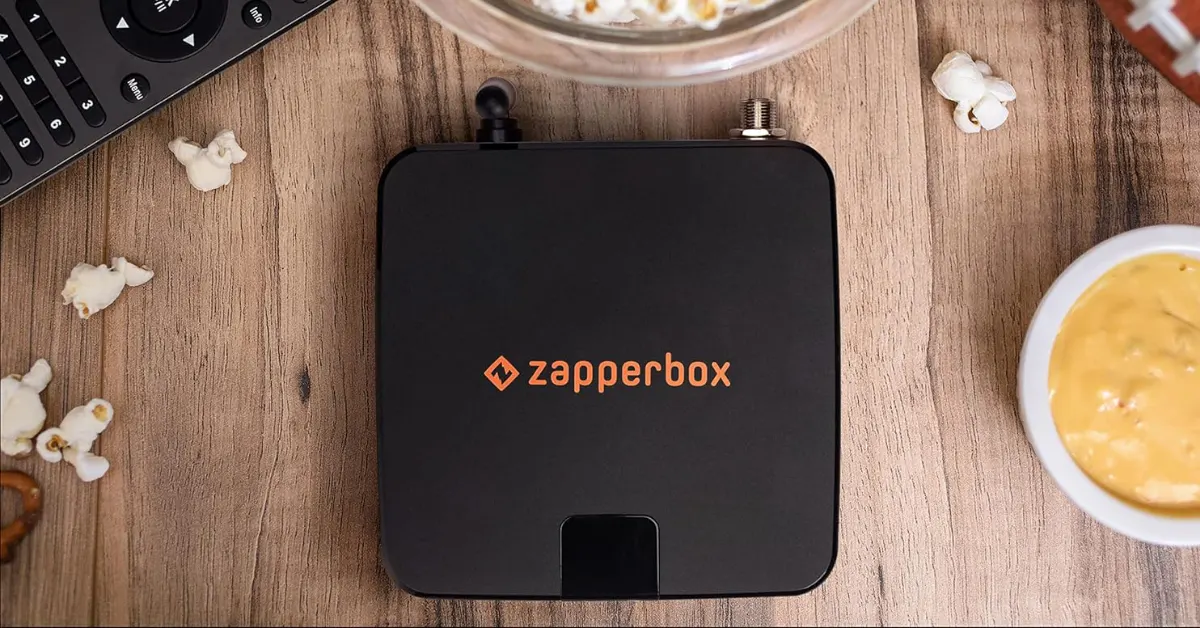
It isn’t clear how many smart TVs and set-top boxes in American homes are compatible with NextGen TV, and there has been limited data on consumer interest in the technology. Some devices, like BitRouter’s Zapperbox and SiliconDust’s HDHomeRun, are quasi-compatible with the standard but lack certain features that broadcasters promote as benefits over the current transmission standard.
SiliconDust’s HDHomeRun box is not compatible with NextGen TV broadcast channels that are encrypted with digital rights management (DRM) technology, which is becoming more common in cities where NextGen TV signals are found. The HDHomeRun and Zapperbox also lack access to interactive messaging features, including hyperlocal emergency alerts.

More Stories
- Sinclair CEO: Monetizing spectrum is $4 billion opportunity for broadcasters
- ATSC to receive Tech & Engineering Emmy for work on ATSC 3.0 protocol
- LPTV group wants FCC to green-light 5G broadcasting
- SiliconDust says update allows HDHomeRun tuners to work during Internet outages
- Broadcast group, SiliconDust trade blame over NextGen TV DVR issue