

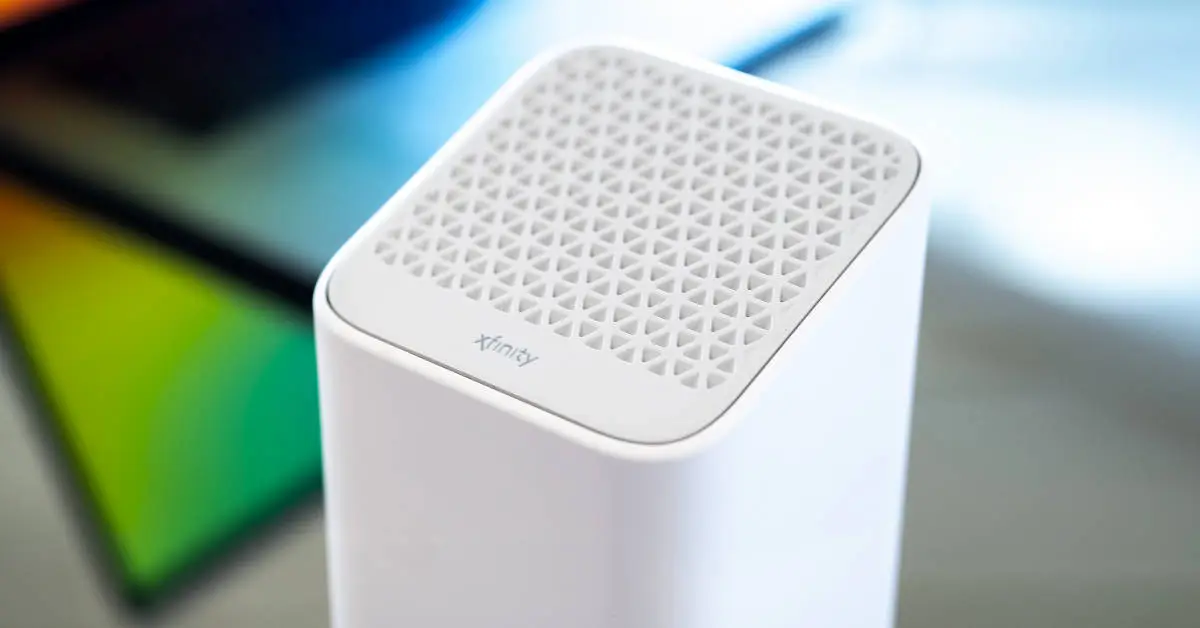
The Federal Communications Commission (FCC) this week approved a request by a cable industry group that grants some large broadband Internet service providers (ISPs) a waiver from certain elements of a sweeping ban on foreign-made routers.
In an order released on Tuesday, the FCC’s Office of Engineering and Technology (OET) said there was good cause to approve the waiver for the NCTA — the Internet & Television Association (NCTA), whose members include Comcast, Charter, Cox Communications, GCI and CableLabs.
Last week, the NCTA requested an exemption from an FCC order issued in March that prohibits the import of routers from overseas manufacturers, including routers made with foreign parts. The agency cited unspecified homeland security concerns as justification for the ban.
The FCC’s order on foreign-made routers brought the likelihood that broadband ISPs would face significant bottlenecks in sourcing gateways and other networking equipment leased to their customers, nearly all of which are made overseas. Supply issues are already plaguing the industry due to ongoing semiconductor chip and memory shortages brought by the computer industry’s focus on supporting artificial intelligence products and applications, which have diverted component manufacturing from other areas, including routers.
According to data released by Parks Associates last year, more than 70 percent of Americans use wireless gateways supplied by their broadband Internet provider. Most consumer-grade gateways, which package a wireless router with an internal modem in one design, are manufactured in China, Thailand and South Korea.
The waiver sought by the NCTA asked the FCC to approve a waiver giving its members the ability to “substitute certain substrate components in existing router designs,” which would allow existing devices to continue being manufactured, imported and leased to customers, and to “take the steps necessary to swap the memory used in existing design.”
Ordinarily, federal rules do not allow equipment manufacturers to change components in radio devices, including wireless routers, once they are certified by the FCC for use in the United States. The waiver sought by the NCTA would allow the organization and its member to make necessary changes to routers in the future without having to repeat the certification process.
On Tuesday, the FCC’s OET granted the waiver, saying there was substantial proof that doing so “will serve the public interest by preventing potential disruptions in the availability of broadband for NCTA members’ customers while still fulfilling the rules’ national security and public safety purpose.”
The waiver was approved for one year. The telecom trade publication Light Reading was the first to report on the granting of NCTA’s waiver.
The waiver is the latest action by the FCC’s OET to ease the effects of the ban on some routers. Devices made or sold by companies like Amazon, Nokia, Calix and Netgear have also received conditional exemptions to the order.