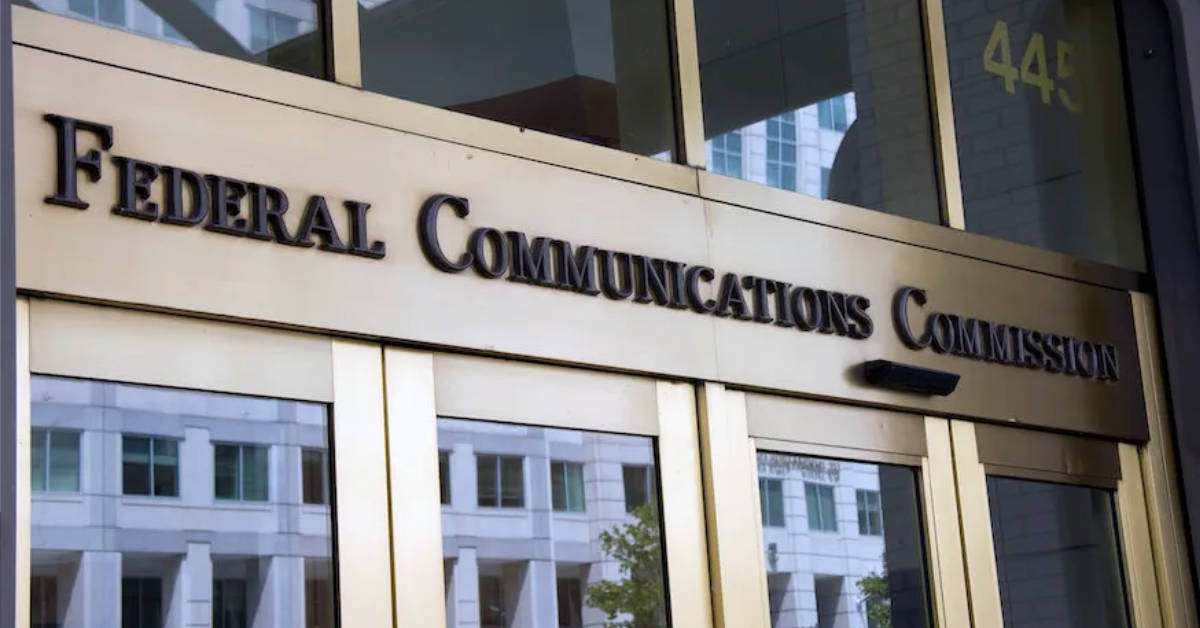
The Federal Communications Commission (FCC) is warning consumers about scam calls and texts from fraudsters impersonating FCC commissioners or agency employees.
The scheme involves calls or text messages that falsely claim a consumer’s phone number is under investigation for criminal activity, the FCC said in a news release this week. The agency said those messages are scams: Its employees will not call consumers to say their phone number is under investigation, direct them to a special law enforcement hotline, demand payment or personal financial information or threaten legal action.
The FCC also said it does not seek or accept payment through cash, cash apps, cryptocurrency, store credit accounts or gift cards. Any request for those forms of payment should be treated as a warning sign. Consumers who receive such calls are advised to hang up immediately. If a call or text includes a threat of violence or harm, the FCC said it should be reported to local police.
Government imposter scams remain among the most commonly reported fraud schemes. In many cases, scammers pose as government agencies or officials and claim that a consumer must make an immediate payment or verify personal information to resolve a supposed problem.
More elaborate versions may claim that suspicious activity has been detected in a bank account and that the consumer must move funds to another account or convert money into gold or cryptocurrency to keep it safe. The FCC said those claims are always scams.
“Scammers have been contacting consumers and pretending to be me,” FCC Commissioner Anna Gomez said in a statement on Monday. “No FCC Commissioner will ever call or text asking for your personal information or demanding money. These scammers should be prosecuted to the fullest extent of the law.”
The agency urged consumers not to answer calls from numbers they do not recognize, not to share Social Security numbers, account numbers, passwords or PINs and not to click links from unknown text messages. Consumers can also ask their phone company about call-blocking tools or use call-blocking apps; many popular networks, like Verizon and T-Mobile, include spam and fraud call screening features and apps for free.
The FCC said it is also pursuing enforcement against voice service providers that fail to stop illegal calls, while expanding know-your-customer and provider accountability rules.