

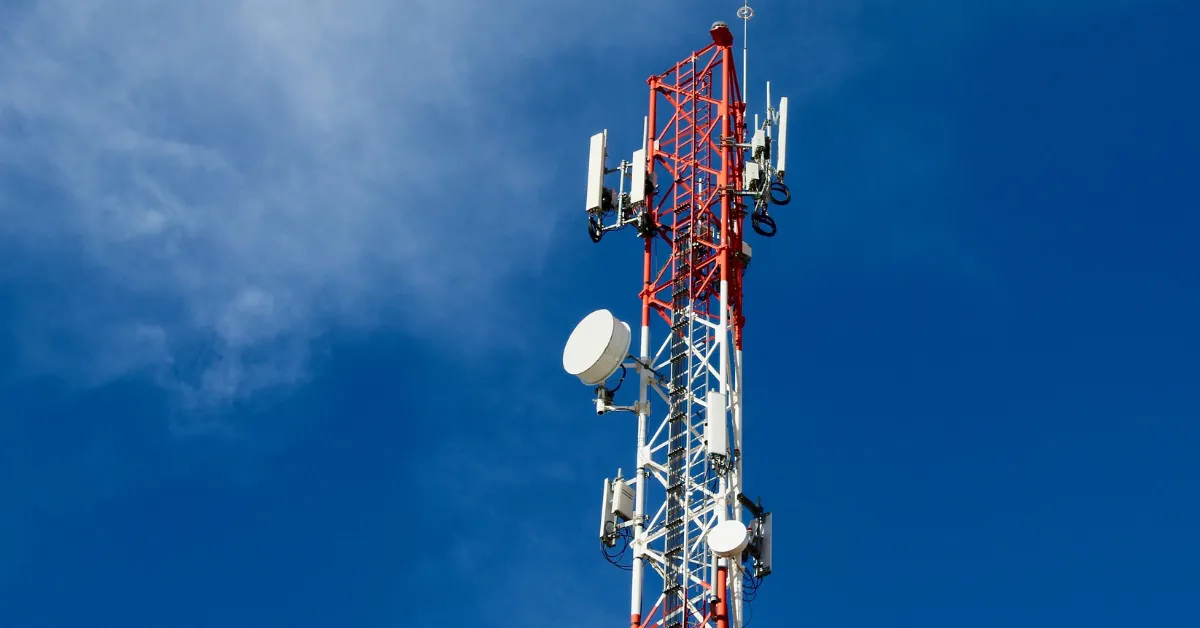
ATSC has approved a new Candidate Standard intended to support the development of Broadcast-to-Everything (B2X), an emerging technology platform designed to extend broadcast transmission capabilities beyond traditional television receivers to mobile devices and other connected equipment.
The specification, identified as S44-2-002r6, “B2X System Discovery and Signaling,” was approved by ATSC Technology Group 3 (TG3) for public review, the standards organization announced this week.
The document establishes a technical framework allowing compatible devices to discover and access future B2X transmissions, representing an initial step toward developing a broader suite of standards for the platform.
B2X is intended to combine the efficiency of traditional broadcasting with the scale of mobile communications networks, potentially allowing broadcasters and wireless providers to distribute information and content to large numbers of connected devices simultaneously.
Unlike conventional unicast networks, which generally establish individual connections between a server and each receiving device, broadcast networks can transmit the same content to multiple receivers using a single transmission.
ATSC believes that capability could help wireless networks distribute high-demand content more efficiently while creating additional opportunities for broadcasters to provide services beyond conventional television programming.
Potential applications include delivering information and content to smartphones, wearable devices, remote sensors and other connected equipment, including devices with limited power resources.
“ATSC is committed to advancing broadcast technologies that meet the evolving needs of our industry and create new opportunities for broadcasters, technology companies and consumers,” Madeleine Noland, President of ATSC, said in a statement.
Noland said the development of B2X reflects efforts to integrate broadcast technology more closely with other communications networks.
Joe Fabiano, the Chief Technology Officer of EdgeBeam Wireless and Chair of the TG3 Specialist Group on B2X, said the initiative could expand the types of devices capable of receiving broadcast-based services.
“B2X can bring together broadcast efficiency in the mobile ecosystem, create new business opportunities, and ultimately extend advanced services to a broader range of devices, including very low-power devices such as wearables or remote sensors,” Fabiano said in a statement.
The newly-approved specification focuses specifically on system discovery and signaling, establishing a common method for devices to identify and connect with B2X services.
ATSC said the mechanism is being developed independently of existing ATSC 3.0 specifications rather than requiring modifications to the current broadcast television standard.
The Candidate Standard designation allows companies and organizations to evaluate the proposed technology, conduct implementation testing and provide technical feedback before further standardization.