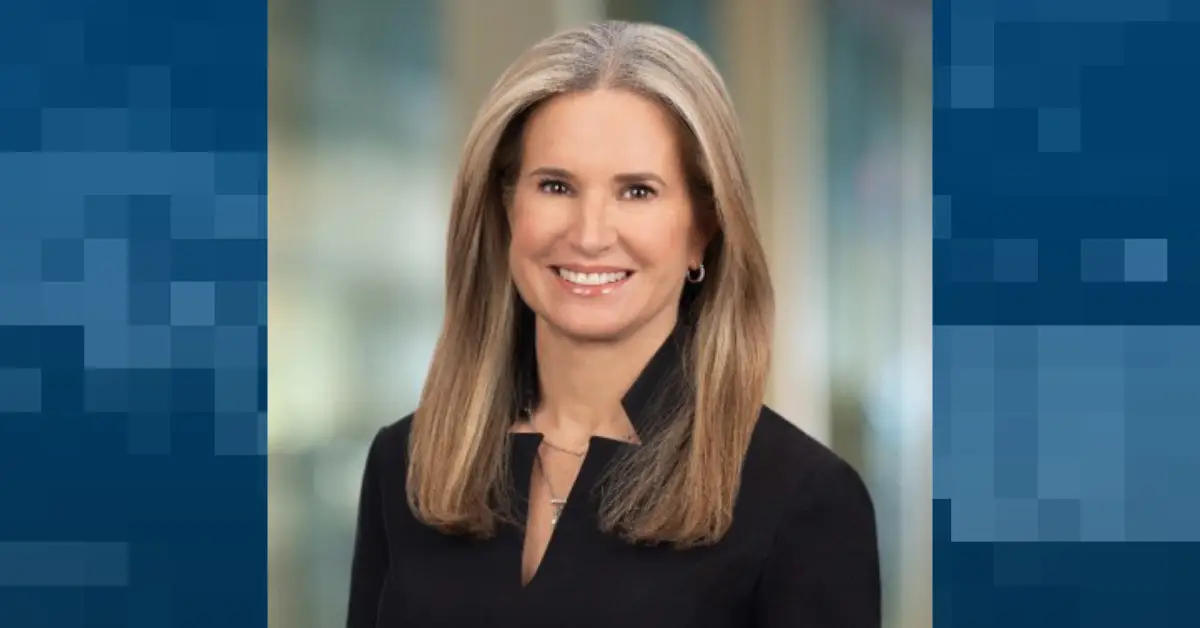
Nexstar Media Group’s Chief Legal and Human Resources Officer Rachel Morgan is departing the broadcaster after four years, The Desk has learned.
In a note to colleagues on Wednesday, Morgan said her departure came after accepting a role at another company, with an announcement expected in early June.
“Today marks my official last day at Nexstar,” Morgan wrote on Wednesday. “I am grateful for this chapter in my career, as the people, experiences and opportunities Nexstar brought to my life over the past four years exceeded my expectations.”

Morgan joined Nexstar in 2022, serving in the role of Executive Vice President and General Counsel, succeeding long-time legal Nexstar executive Elizabeth Ryder. Before moving to Nexstar, Morgan worked as a legal executive focused on employment and labor litigation for AT&T, according to a press release.
Earlier this month, Nexstar announced it re-appointed Ryder to serve in the role of Executive Vice President, General Counsel and Secretary to the broadcaster’s Board of Directors. In the same announcement, the broadcaster said Scott Weaver was promoted to Executive Vice President of Government Relations and Jason Roberts was upped to the role of Senior Vice President, Deputy General Counsel and Assistant Corporate Secretary.
The legal shuffling comes as Nexstar continues to battle DIRECTV and a bipartisan group of state attorneys general in federal court over the company’s $6.2 billion acquisition of TEGNA, which closed on paper in March.
Opponents of the merger say it will allow Nexstar to exert considerable power to raise cable and satellite fees by demanding more money for their channels through redistribution agreements, and will involve considerable journalism-related job losses as Nexstar consolidates newsrooms where it and TEGNA own stations.
Nexstar says it continues to invest in local news programming and remains committed to the communities it serves, and says concerns that it will raise pay TV fees are unfounded. Prior to its acquisition of TEGNA, Nexstar laid off journalists at its three largest television stations, and the company has a track record of triggering disputes with pay TV providers by demanding more money for its local and national channels.