


Wind the clock in your mind back to when you were a teenager. How did you act around your friends? What did you do? What did you say?
If you are anything like the typical teenager, you probably said and did things you regret — maybe things you don’t remember, but people remind you about from time to time — and they make you cringe.
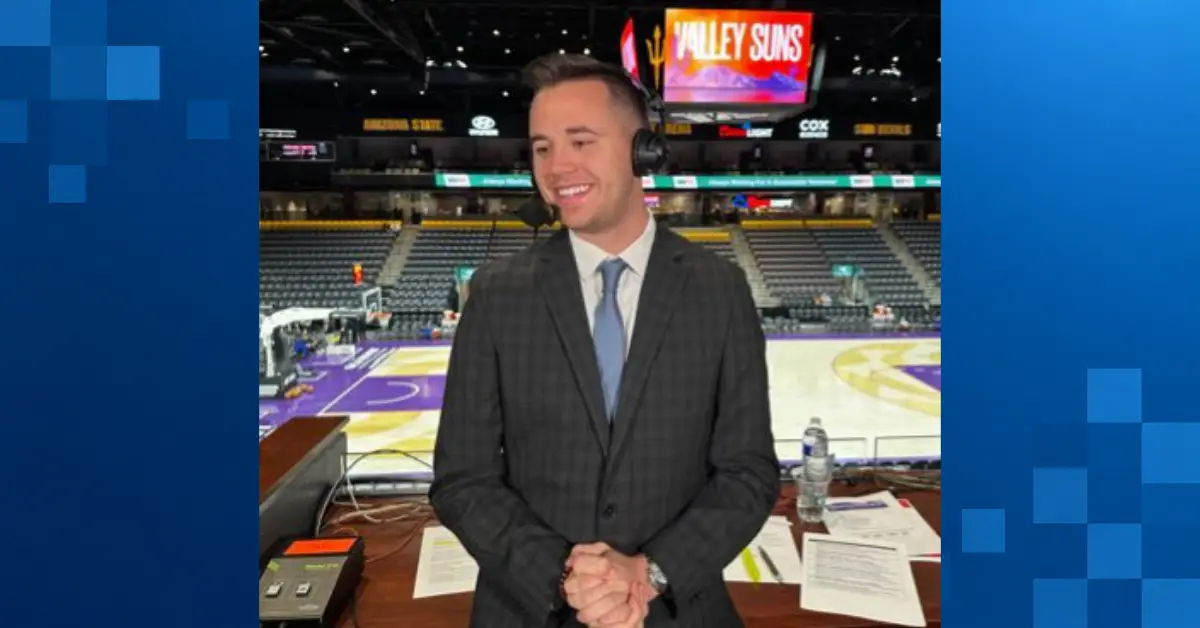
If you run in sports or media circles, you’ve no doubt heard what happened on Thursday to Braiden Bell, a 29-year-old broadcaster who was hired — and then, hours later, fired — by the Portland Trail Blazers basketball team.

In a nutshell, here is what happened: The NBA team announced Bell as their new play-by-play announcer, selecting him from a pool of strong, talented candidates, some of whom have years more experience.
In a statement, the team said that Bell was hired because his chemistry with the team’s other broadcaster was immediate from the start, and they recognized his up-and-coming talent within the industry.
“Braiden is a rising talent and everyone is excited to have him,” a team source told the local newspaper. “We had a big pool of people express interest in the job and there was a lot of talent and experience. But he really stood out. One of the biggest parts of this is chemistry and Braiden and Lamar had great chemistry. I think people will be able to see that immediately. We just felt he was a good fit.”
Their tune changed quickly when KGW-TV (Channel 8, NBC) news director John Tierney and sports reporter Devon Haskins unearthed old social media posts made by Bell, including comments that were racist and misogynistic.
The journalists reached out to Bell, his agent and the Trail Blazers about the tweets Thursday afternoon, and waited several hours for a response back, according to people familiar with the situation.
Around 8 p.m., KGW-TV published a story on their website about the tweets, minutes after the Trail Blazers announced their decision to fire Bell.
“The Portland Trail Blazers have zero tolerance for racist, sexist, or harmful comments,” the team said in a statement. “Social media posts made by our recently announced play-by-play broadcaster are in clear violation of team and league policies, as well as our values and expectations. Therefore, we will not be moving forward with this broadcaster.”
In the hours since the story broke, KGW-TV — a station owned by TEGNA, which is operating as an independent subsidiary of Nexstar Media Group for the time being — has faced immense criticism from its viewers, social media users and the broader sports and journalism communities over its handling of the story.
The criticism against the station and its journalists was so intense that, by Friday morning, Tierney and Haskins had removed their e-mail addresses and other contact information from their social media biographies.
Let’s be clear: What Bell tweeted was inappropriate, hurtful and wrong. But he was also 15, and like most teenagers, he was almost certainly motivated by a desire to be funny (which he wasn’t) and provocative (which he was) — not to intentionally hurt or demean anyone.
Most adults today cannot say with absolute honesty that their teenage years were entirely wholesome. But until recently, most teenagers were allowed to make their mistakes in private, with no permanent record of their misgivings.
The Internet started to change when I was a teenager in the early 2000s. I, and many of my classmates, narrated our thoughts and lives on LiveJournal, Xanga, MySpace and Friendster. We were lucky — we didn’t carry around those platforms in our pockets, and some of those websites are gone, removing any cringe posts and statements we may have made at the time.
The generations that came after ours were not so lucky. As Bell found out on Thursday, the things that were said and done online have created a permanent record that can come back to haunt them if bad actors want to weaponize them for their own personal gain.
In this case, the bad actor is a television station whose journalists saw a scoop and went for it, without considering the ramifications that their actions might have — first on Bell, and later on their reputations. Many are questioning why KGW-TV, Tierney and Haskins felt the need to dig so far back into Bell’s social media accounts, and why the only evidence they turned up came from a time before Bell’s brain and maturity levels were fully formed.
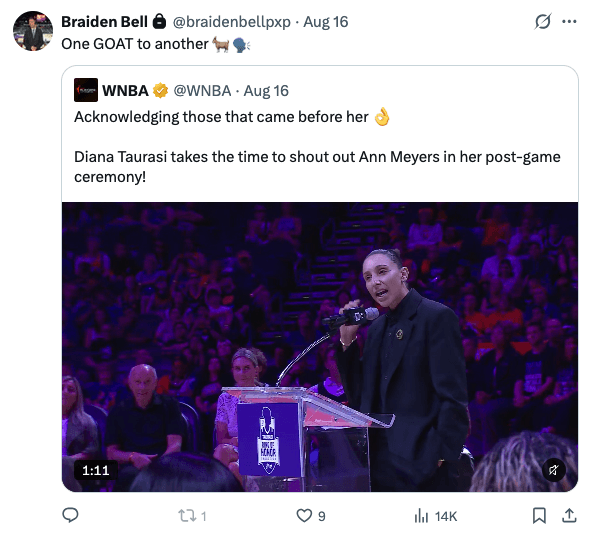
It would be one thing if the social media posts served as an example of Bell’s bad behavior as an adult. But there is no evidence of that. Instead, there is evidence to the contrary: Before Bell locked down his Twitter account Thursday evening, his posts were largely about sports. More than once, he encouraged his peer broadcasters when they were promoted or hired into new roles.
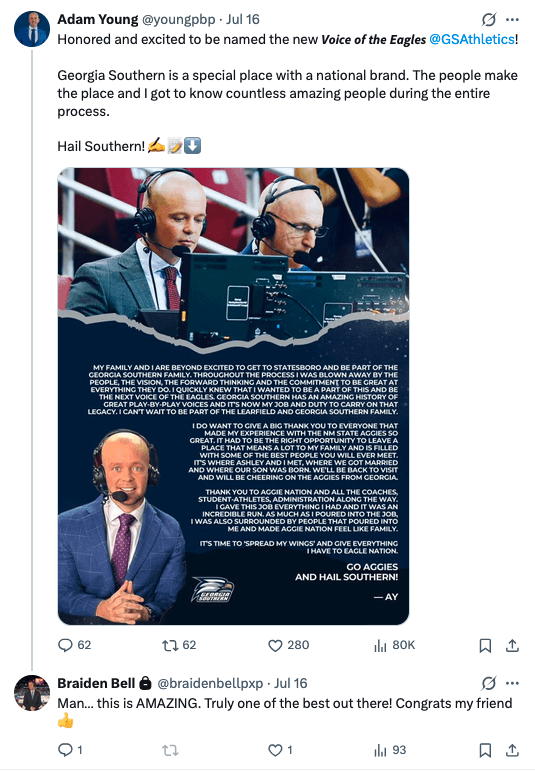
That context was missing from KGW-TV’s story. So, too, was the context that Bell’s most-recent job was calling plays for a WNBA team in Arizona — not the type of role a true misogynist is likely to take.
When I asked TEGNA about how the story came together and whether the company had any response to the community’s strong pushback against its station, a source familiar with the matter said that KGW-TV followed all editorial processes, likely would have held the story to give Bell and others time to respond to the posts and would have sought the opinion of a social media expert before the story ran.

The team’s firing of Bell changed the timeline considerably, and KGW-TV felt it had no choice but to publish its scoop. While TEGNA wouldn’t say why that was, the motivation was almost certainly competitive — after the team’s announcement, the story was going to come out somewhere, and KGW-TV wanted to ensure its hard work throughout the day was not for nothing.
So, they published their scoop. In doing so, it became apparent that the editorial process by which KGW-TV pursued their story violated many of the ethical rules that professional journalists voluntarily ascribe to.
According to the Society of Professional Journalists, reporters like the ones employed by KGW-TV have a duty to “diligently seek subject of news coverage to allow them to respond to criticism or allegations of wrongdoing,” and have an obligation to “provide context — take special care not to misrepresent or oversimplify in promoting, previewing or summarizing a story.”
Perhaps more troublesome is that the story published by KGW-TV violated nearly every section under SPJ’s “Minimize Harm” rule, which requires reporters to “avoid pandering to lurid curiosity, even if others do it” and “consider the long-term implications of the extended reach and permanence of publication.”
None of those were followed, and KGW-TV has an obligation to explain why. In fact, the SPJ’s Code of Ethics demand it: “Explain ethical choices and processes to audiences. Encourage a civil dialogue with the public about journalistic practices, coverage and news content.” In the face of rampant community and industry criticism about their stories, KGW-TV chose not to engage; instead, their reporter and news director removed their e-mail addresses from their social media profiles and worked diligently to block their critics.
The station’s motivation for clicks and attention was clear by the fact that Bell’s firing occupied the top story on the KGW-TV homepage for more than 18 hours — apparently because the firing of a sports broadcaster was the most-important thing happening in a major metropolitan area that more than 2.5 million people call home. (Oregon is one of four states lobbying the federal government to preserve medical access for low-income residents, but that story was pushed down the homepage and only has one bylined reporter. Bell’s firing has at least three bylines on it.)
In the short-term, here’s where that leaves us: A promising young broadcaster had a great opportunity taken away from him because an opportunistic TV station felt social media postings made when he was underage was fair game for a tabloid news story. It isn’t clear if Bell will be able to return to work in Arizona, or if he will work anywhere else — and, at least for now, whenever someone Googles his name, his provocative posts are the first thing that pops up. That will, unfairly, follow him around for a while.
In the long-term, many people are upset at the team’s knee-jerk reaction and the TV journalists who started the whole thing. At a time when trust in the news media is already low, the tabloid journalism that KGW-TV published — and shamelessly promoted, for almost a full day — is likely to cause more distrust than anything.