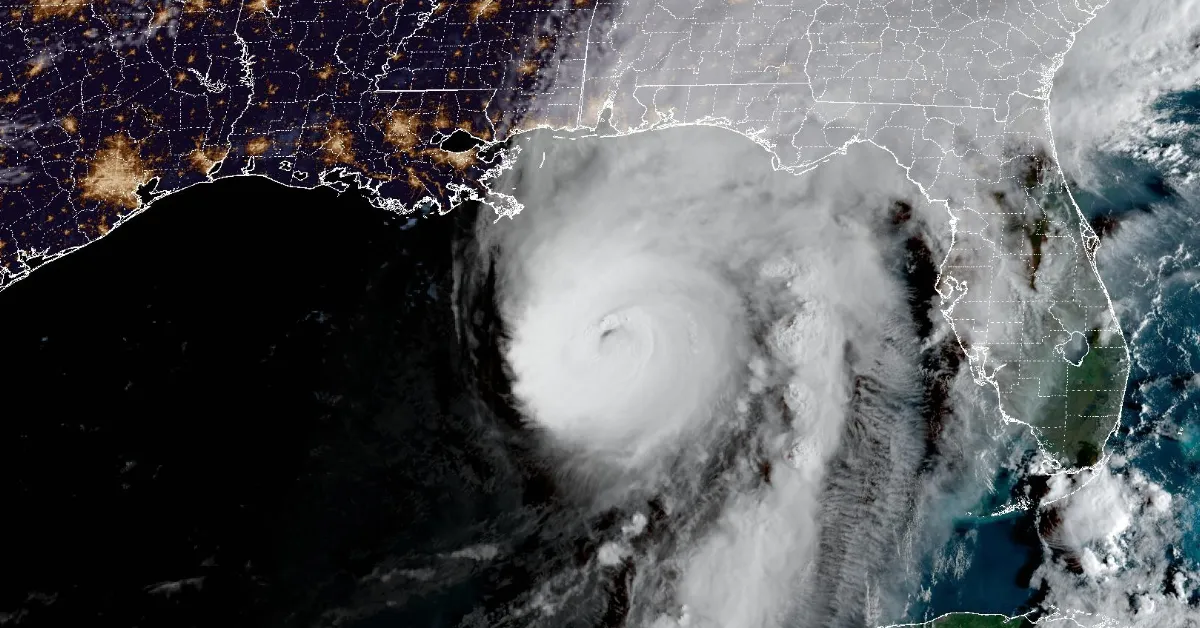
More Americans turned to broadcast television than any other information platform during Hurricane Isaias last month, according to a new survey commissioned by the Television Bureau of Advertising (TVB).
The data released this week showed local TV newscasts were the leading source of information for Americans who wanted current information about the storm and its aftermath on Gulf Coast residents, with 81 percent of respondents saying news assets from local TV broadcasters were used for reliable, accurate information.
Eighty-one percent of respondents used local broadcast station news assets for hurricane information, while traditional local newscasts reached 64 percent of respondents, TVB’s survey said. Emergency broadcast information, including alerts, reached 50 percent, while national broadcast network news reached 46 percent of respondents, TVB said.

Local broadcast news assets also ranked as the most important source of information throughout the storm: Before the hurricane arrived, 42 percent of respondents identified local broadcast news assets as their most important source of information. That figure increased to 49 percent during the storm before declining to 41 percent afterward.
When individual platforms were measured, traditional local television newscasts ranked first across all three periods, with 30 percent citing them before the storm, 33 percent during the storm and 28 percent afterward. Mobile emergency alerts ranked second before and during the hurricane, at 17 percent and 14 percent, respectively. After the storm, social media ranked second at 13 percent.
The findings also highlighted the importance of distributing local television news beyond traditional television receivers: Seventy percent of respondents reported watching live local broadcast television newscasts on a smartphone, computer or tablet at some point during the emergency.
Among respondents who watched broadcast television news, 74 percent cited the availability of information relevant to their local area as a reason for doing so, while 69 percent identified trust. Continuous updates and confidence that stations were providing necessary information each received 51 percent.
Similar considerations influenced the use of local television station websites, mobile applications and streaming services. Local relevance was cited by 68 percent of respondents, followed by trust at 62 percent and public-service information at 45 percent.

Local television news also received higher trust ratings than competing news platforms: Local newscasts delivered through streaming services received a 90 percent trust rating, compared with 88 percent for traditional local television news. Station websites, mobile applications and dedicated streaming news applications each received 87 percent.
National streaming news services received an 80 percent trust rating, followed by cable news channels at 79 percent and social media at 64 percent. The survey also found that 59 percent of respondents identified local broadcast news assets as the most involved in their communities surrounding the hurricane.
Local TV broadcasts maintained their importance during Hurricane Isaias, despite the widespread devastation brought on by the storm: Fifty-five percent of respondents said they suffered from electrical disruptions, while 13 percent experienced flooding and property damage. Nearly 10 percent of respondents were forced to evacuate due to the storm, TVB said.
TVB said the results demonstrate the importance of local television journalism as a public-service resource during severe weather, particularly as stations distribute coverage across broadcast, digital and streaming platforms.