



Key Points

- Nexstar CEO Perry Sook said he expects support from the Trump administration for the company’s $6.2 billion proposed merger with TEGNA.
- Nexstar is lobbying lawmakers as the deal awaits FCC and DOJ review amid rules capping local TV ownership at 39 percent.
- Sook argued ownership limits hinder broadcasters’ ability to compete with major tech and streaming platforms.
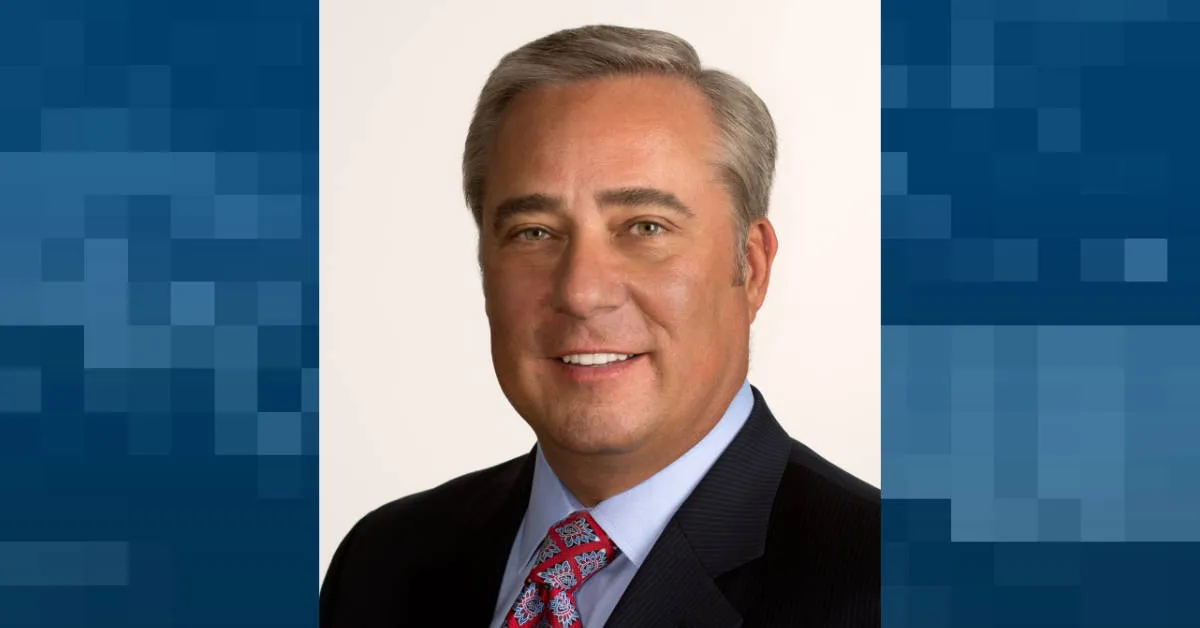
Nexstar Media Group founder and CEO Perry Sook believes President Trump and members of his administration will support the company’s proposed $6.2 billion merger with peer broadcaster TEGNA, despite current federal rules that are intended to limit mass-media consolidation among the owners of licensed local television stations.
This week, Sook has scheduled meetings with lawmakers and key government stakeholders to advocate for the pending transaction, which still requires the approval of the Federal Communications Commission (FCC) and the U.S. Department of Justice (DOJ) — neither of which are guaranteed at this stage in the process.
In an interview with an industry newsletter on Tuesday, Sook said he was unlikely to meet with regulators at the FCC or the DOJ during his current trip, but didn’t rule out the opportunity to meet with Trump himself.

“I’d certainly welcome the opportunity,” Sook said. “He’s got a lot on his plate, and we have been in dialogue, and we’ll continue to be in dialogue with members of the administration on the merits of the transaction.”
Under current federal rules, local TV broadcasters are not allowed to have direct ownership of stations that reach more than 39 percent of the American viewing audience. Nexstar and other broadcasters have argued that the rule places onerous limitations on their ability to compete in the TV industry, at a time when larger tech companies like Google and Amazon are allowed to launch and scale their streaming businesses without restraint.
In recent years, more advertising dollars that once flowed to broadcast stations and networks have shifted to streaming apps, with marketers feeling those platforms offer better targeting of consumers and higher returns on lower spend compared to traditional media. Broadcasters say the trend favors more consolidation in the local TV industry, which will allow them to eliminate redundancies, reduce expenses and further streamline their operations with the goal of scaling to compete against large tech-backed services.
Sook said more than 100 federal lawmakers have endorsed the idea of eliminating federal ownership restrictions in various letters and petitions, and that the company intends to continue to lobby on behalf of unwinding those rules.
In September, the FCC voted unanimously to conduct a review of broadcast ownership rules, including the national ownership cap. FCC Chairman Brendan Carr has previously advocated for modifying that rule, but has stopped short of endorsing an idea to eliminate it entirely.

Groups supporting the pay TV industry say raising or eliminating the ownership cap will allow broadcasters to amass a significant concentration of power, which will be weaponized to charge cable and satellite customers more for their channels. Higher retransmission fees are already associated with skyrocketing cable, satellite and streaming bills over the past decade, and that trend will only get worse if local TV station owners are allowed to swallow up more outlets, they contend.
Nexstar is the largest local TV station group in the country. Earlier this year, Sook said Nexstar’s decision to charge more for its channels played a significant part in the company’s record $5.4 billion in income during 2024.
On Tuesday, Sook downplayed concerns that eliminating the ownership cap would cause competitive harm in the pay TV industry.
“No one I have met with can defend the current rules with a straight face,” Sook noted. “It’s just obviously now putting in motion the interest and willingness to actually change those rules, eliminate those rules.”
Sook also addressed a social media post made by Trump earlier this month, which took a strong position against media consolidation if it allowed broadcast networks like ABC and NBC to acquire more media assets.
“Certainly, the President of the United States is entitled to his opinion, and I think if we’re going to operate in the media business, we’re going to be subject to folks’ voicing those opinions,” Sook commented. “I think that on balance, his comments are generally constructive.”