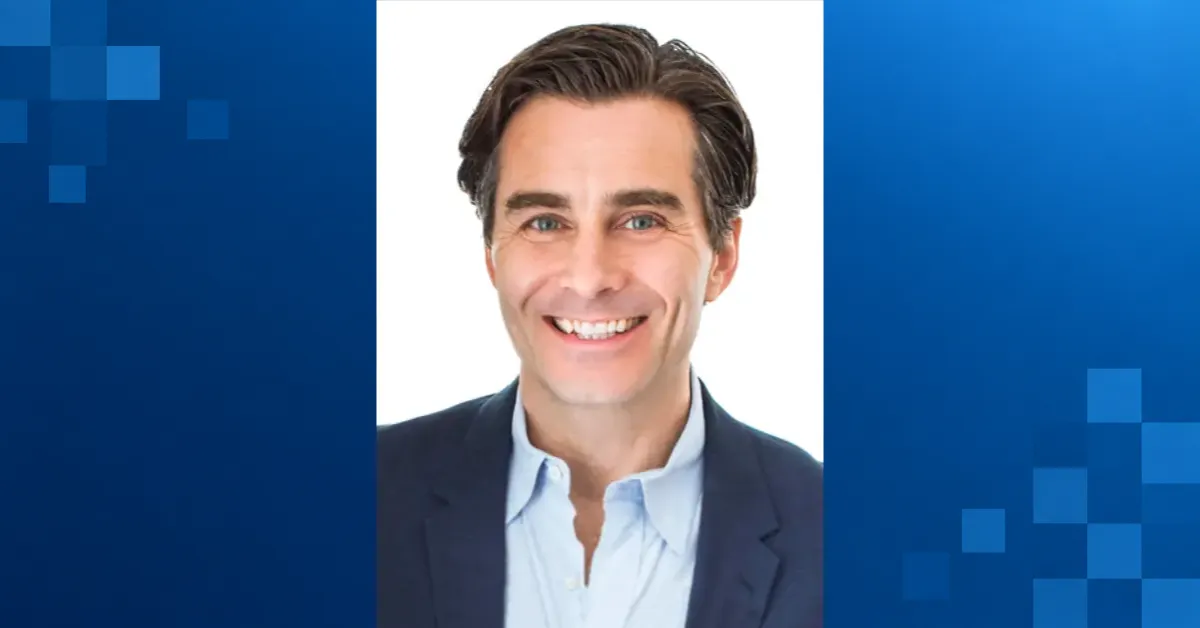


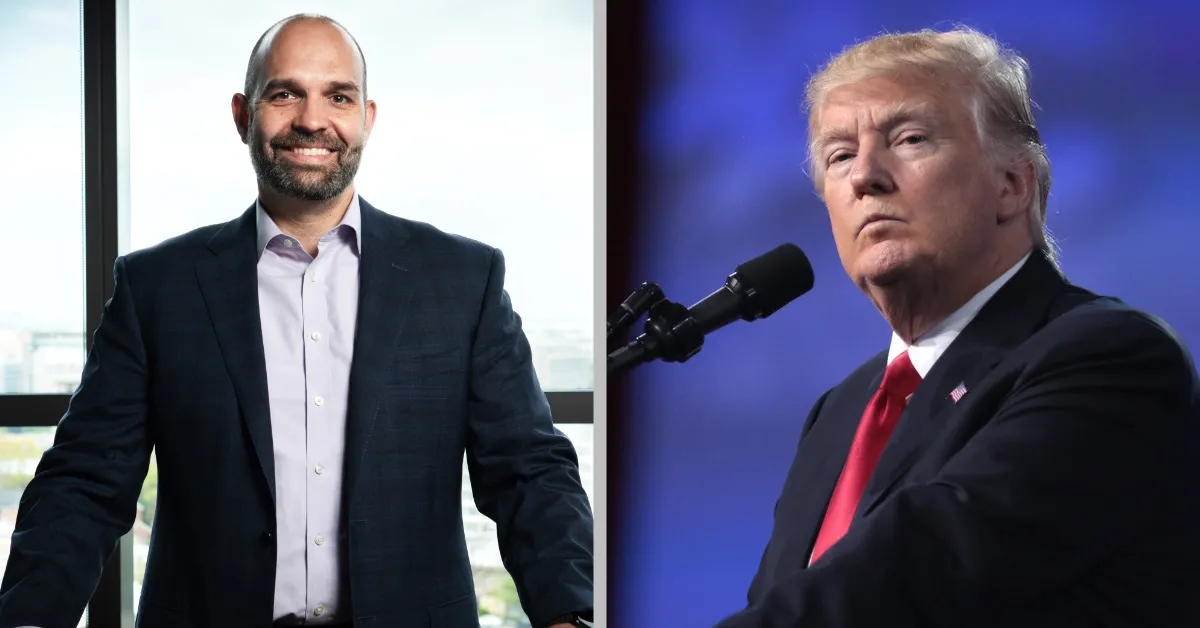
The lead executive in charge of the commercial radio and television broadcasting industry’s main lobbying organization says the administration of President Donald Trump has treated the sector well over the past year.
Speaking at the TVB Executive Summit in New York on Thursday, National Association of Broadcasters (NAB) CEO Curtis LeGety said deregulation efforts have allowed broadcasters to shift from playing defense to offense when it comes to Beltway sports.
LeGeyt specifically called attention to a draft Notice of Proposed Rulemaking (NPRM) released this week by the Federal Communications Commission (FCC), through which the agency has proposed easing certain regulatory burdens to allow local TV stations to move from the current digital transmission standard to one called NextGen TV.

Many local TV stations are already broadcasting their main signals on NextGen TV, which uses hybrid technology that combines traditional over-the-air signals with enhanced and interactive features supported by broadband infrastructure.
Most TV sets and tuners in American homes today won’t work with the new NextGen TV standard, but consumers have had access to smart TVs and standalone tuner boxes that work with both broadcast standards for a while. The cost of NextGen TV-compatible equipment is higher than older digital TV sets and tuners, but advocates say costs will come down if the FCC mandates a transition from one standard to another.
The NAB sparked that movement earlier this year, when it petitioned the FCC to allow broadcasters to end their digital signals in favor of transmitting on NextGen TV full time within the next few years. Under the NAB’s proposal, most major market TV stations would make the transition in 2028, while everyone else switches their signals by 2030.
The draft NPRM released this week doesn’t codify deadlines for the switch; instead, it allows broadcasters to select their own deadlines. The FCC will vote on the NPRM later this month; if approved, the agency will solicit public comments in the coming weeks.
On Thursday, LeGeyt criticized prior administrations for failing to take on the issue of NextGen TV, while praising FCC Chairman Brendan Carr for bringing the matter to the floor.
“This draft represents a major step forward from the previous administration, which did not move at all to advance the ATSC 3.0 transition,” LeGeyt said. “Chairman Carr’s decision to launch this proceeding signals meaningful progress toward completing the full shift to NextGen TV.”
The draft NPRM doesn’t act on all of NAB and LeGeyt’s wishes, though it opens the door for comments on many of them, including a push that would require hardware makers to install NextGen TV-capable tuners in their smart TVs. Under current law, TV makers are required to have analog and digital tuners that operate on the current broadcast standards, but aren’t required to support NextGen TV.
Supporting NextGen TV has been a complicated endeavor: The standard is still in active development, and manufacturers are required to pay royalties and licenses to certain patent holders. Two years ago, LG — one of the world’s biggest sellers of smart TVs — said they would suspend the installation of NextGen TV tuners in their sets after losing a patent-related lawsuit.
TVs aren’t the only hardware that will be impacted: Some pay TV providers, including DirecTV, say they’ll face significant costs in upgrading their equipment in order to continue offering local TV stations to their subscribers. Those costs range from thousands of dollars for small cable operators to tens of millions of dollars for national cable TV and satellite platforms.
Backers of NextGen TV have largely downplayed those concerns, saying TV manufacturers will license the technology and install the tuners because they don’t want their smart TVs to fall behind their competitors. They note several electronics makers — including Samsung, Sony, Hisense and TCL — have affirmed their intention to support NextGen TV over the long term.
Supporters also contend that consumers will warm to NextGen TV over time as they learn about the better image and audio formats that are possible with the technology, as well as hyperlocalized traffic and weather forecasts.
Broadcasters will benefit from the shift by utilizing broadband technology to encrypt their signals and deliver personalized, targeted advertising to viewers, while freeing up spectrum that can be licensed and sold for other purposes.
Beyond NextGen TV, LeGeyt pointed out another way that broadcasters benefit from the Trump administration: Under Carr, the FCC has finally embraced the idea of refreshing long-standing ownership rules that limit the amount of licensed TV and radio stations any one company can own.
Currently, companies are limited to the number of radio stations they may own in a given area, based largely on how many licensed stations are operating, while TV station groups are told they can’t maintain a portfolio of stations that reach more than 39 percent of the American viewing audience.
On the TV side, some broadcasters like Nexstar and Sinclair have skirted these ownership rules by bankrolling shell companies that own broadcast licenses on paper, while allowing large station groups to operate all aspects of a station.
Those arrangements aside, broadcasters and the NAB contend that the ownership rules prevent them from competing against streaming services like Netflix, YouTube and Prime Video, which are allowed to scale without restraint. (None of those streaming services hold broadcast licenses.)
The FCC hasn’t agreed to examine the ownership cap for local TV stations, but it is moving forward with various processes to examine other ownership restrictions, including one that prevents local TV broadcasters from owning more than two of the top four TV stations in a regional market.
—
Read more:
- NAB criticizes YouTube as organization pushes for broadcast consolidation
- Sinclair CEO: Mergers can be done, even without regulatory changes
- NAB renews call for FCC to eliminate broadcast ownership cap
- FCC chairman: Agency will review broadcast ownership rules at meeting
- Comcast says FCC should reject “two-tier” TV station ownership proposal
- Newsmax CEO: FCC lacks authority to eliminate broadcast ownership cap
- Appeals court issues mixed ruling on FCC’s broadcast ownership rules
- FCC seeks public comment on TV, radio ownership reform