

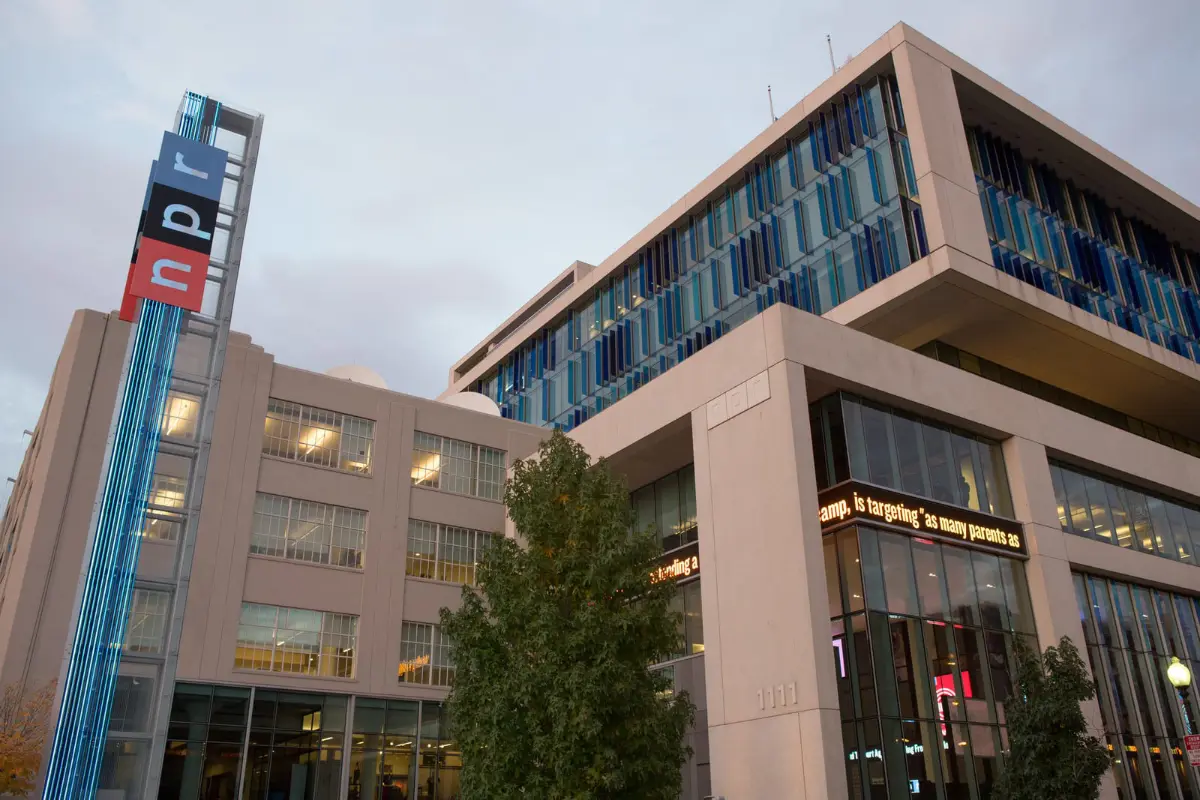
NPR retracted a bombshell report on Tuesday that claimed U.S. Supreme Court Justice Samuel Alito was retiring after a spokesperson for the judge said the article was wholly inaccurate.
The story, written by Supreme Court reporter Nina Totenberg, claimed Alito had announced his retirement on Tuesday, when no announcement had actually taken place.
The report was widely circulated on social media based on NPR’s history of reporting credible information in the past, but was quickly fact-checked by other reporters at competing outlets who were trying to confirm the same news.
A spokesperson for Alito’s office said the report was not correct. By Tuesday afternoon, NPR’s Editor-in-Chief Tommy Evans issued a statement saying the report was based on a “misunderstanding,” but did not elaborate further.
Later in the day, NPR’s Public Editor Kelly McBride said the story was published because Totenberg misheard a comment made by Chief Justice John Roberts about upcoming retirements.
Rather than check with Alito’s office to confirm the remark, Totenberg passed along what she thought she heard to an intern shadowing her coverage and NPR’s Executive Editor Krishnadev Calamur, who also did not check to see whether what Totenberg heard was true.
“This sort of shit should not happen,” Calamur told McBride.
Later in the day, Totenberg contradicted McBride’s account of what happened. On “All Things Considered,” Totenberg said she wondered why more of the public had not left the courthouse after opinions were read for the day, and was told by another person that there were “retirement announcements” being made. Totenberg said she didn’t hear the “s” at the end of the phrase, and thought it was a singular announcement: That Alito was stepping down from the bench.
McBride’s write-up on the matter was amended and corrected following Totenberg’s radio interview, with no explanation as to how the outlet got the circumstances surrounding the erroneous report wrong as well.
The NPR story was pre-written, a common practice by major news organizations who prepare their coverage in anticipation of major events like a resignation, retirement or death. Because Totenberg is a trusted reporter within NPR’s newsroom, the outlet didn’t think twice when she conveyed what she believed she’d heard, and quickly published the pre-written report.
“She’s the preeminent Supreme Court reporter in the courtroom, so I’m assuming that’s what she heard,” Calamur admitted. “I’m not waiting to see what the Times is reporting. It’s when Nina says, here’s what happened, and we do it. That’s the trust you build up.”
Traditional journalism practices usually subject a comment or fact to rigorous checking before it is published in a story. Rarely is an entire story published — even a pre-written one — before it is screened for accuracy by several people.
But that process was ignored on Tuesday, apparently because NPR wanted to publish a scoop.
The issue didn’t just affect NPR’s own website and broadcasts: The outlet has a syndication unit that helps its member radio stations republish articles on their own websites. The outlet issued a “kill story” order that demanded those stations remove copies of the articles from their local websites, and worked with some member stations to fulfill the order, according to a person familiar with the matter.
Like other newsrooms, NPR typically has a system in place that requires a news story to undergo a rigorous screening and editing process before it is published or broadcast. It isn’t known if that process was followed here.
Last month, 18 newsroom workers accepted buyouts to leave the organization, and NPR issued pink slips to 10 additional employees. Among those who departed the news organization were Don Gonyea, NPR’s national politics correspondent; Vickie Walton-James, a managing editor; and investigative reporter Joe Shapiro.
The job losses followed a decision by Congress last year to pull funding for the Corporation for Public Broadcasting, which has largely impacted NPR member stations in small and rural communities. NPR relies on fees collected from those stations to fund its operations; in a statement, NPR President and CEO Katherine Maher said the outlet expects to lose as much as $15 million this year due to lower income from member station fees.
The erroneous NPR story broke during a busy week for the Supreme Court and correspondents covering it: The court is in the process of issuing dozens of opinions on cases heard over the past few months, and has already published orders on matters related to the president’s ability to fire federal officials and the constitutionality of an Executive Order signed last year affecting birthright citizenship.
McBride — who once suggested police assaults against protesters during George Floyd protests was comparable to the National Guard breaking up demonstrations during the integration of schools in the 1950s — said the gaffe is not likely to result in any long-term damage to NPR’s reputation among its core audience. She promised her office will continue to look “at the processes that NPR uses to verify information,” though she didn’t offer any specifics to that effect.
—
Editor’s note: This story was updated after McBride’s write-up on NPR’s erroneous report was corrected by the outlet following Totenberg’s radio interview.