


Key Points

- Comcast has dropped dozens of channels owned by the E. W. Scripps Company.
- The dispute centers around fees charged to Comcast for the privilege of offering Scripps-owned channels to its Xfinity TV subscribers.
- Scripps channels remain available on other providers, including DIRECTV, Fubo and Hulu with Live TV.
It’s no April Fool’s joke — some Comcast customers woke up to find one or more of their favorite TV stations missing from their Xfinity TV packages early Wednesday morning.
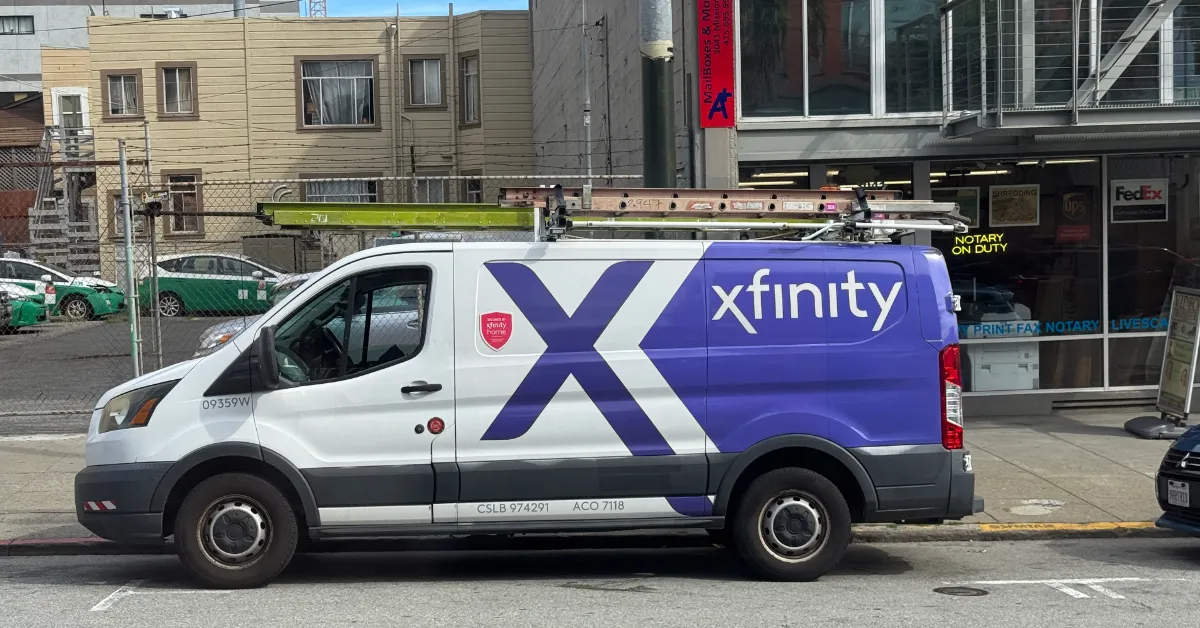
Comcast dropped dozens of local television stations owned by the E. W. Scripps Company late Tuesday evening after a distribution agreement between the broadcaster and the cable giant expired without a new deal in place.
The issue impacts Xfinity TV subscribers in areas like Denver, Cincinnati, Baltimore, San Diego and Tucson where Scripps owns or operates a major network affiliate, and in other markets like Sacramento, Phoenix, Washington and Los Angeles where the company owns a station that carries its Ion Television programming.
“Comcast works to negotiate fair terms in order to ensure the greatest value for customers, given all the ways content can be accessed today,” the company said in a statement sent to its Xfinity TV subscribers this week. “A number of reasonable offers have been made that E. W. Scripps hasn’t accepted. Comcast continues to work towards making this programming available again with fair pricing and terms for our customers.”
Comcast said 19 major network affiliates — those carrying shows, sports and news from ABC, CBS, Fox or NBC — and 21 other stations not affiliated with one of the Big Four networks are impacted by the dispute.
Officially, the deal between Comcast and Scripps expired at the end of Tuesday, but Comcast pulled Scripps-owned channels around 8:30 p.m. Eastern Time, according to numerous customers who were impacted by the move.
The disruption impacted hockey fans watching a Florida Panthers game, which was cut off in the middle of the event when Scripps stations in Miami and West Palm Beach were dropped from Xfinity TV. The game remained accessible to Xfinity TV subscribers with an antenna and on other platforms like YouTube TV and Fubo.
Others said they were in the middle of prime-time programming on one of the Big Four networks when Comcast suddenly displayed a message informing subscribers that the channel was no longer available.
“Scripps takes our public service responsibility to serve our communities seriously. Our stations provide on-the-ground reporting, real-time severe weather updates and live sports coverage that keep people safe and connected to what matters most in their daily lives,” a spokesperson for Scripps said in a statement via e-mail.
The spokesperson continued: “Scripps has been negotiating in good faith to reach an agreement that reflects this value and is fair for both parties and viewers. We hope Comcast recognizes the critical value we play for our communities and restores our stations’ signals so we can continue to serve their customers. Until then, Xfinity customers can still find our local news and sports programming for free over-the-air, on our station websites, streaming apps and on other locally available cable and satellite providers. Our mission is to connect our communities with accessible local news, weather, live sports and entertainment programming. Comcast’s tactics won’t change our commitment to that.”
Disputes between broadcasters and pay TV providers are not uncommon, with broadcasters seeking to offset declines in traditional TV advertising by charging cable and satellite companies more money for their channels. Those companies typically pass on the cost of carrying channels to customers, and price increases rooted in distribution deals is one of the leading causes of higher bills for subscribers.
Comcast is one of the few companies that has managed to stave off carriage disputes with broadcasters over the years, opting instead to raise prices in order to continue offering broadcast channels and cable networks on Xfinity TV. The dispute with Scripps is a rare occurrence of the cable provider dropping channels in order to avoid paying higher fees for continued distribution of broadcast channels.
More Stories
- Comcast co-CEO says Peacock focused on U.S., not global, growth
- NBA sees higher TV ratings from NBC, ESPN under new rights package
- Scripps sells WRTV, will seek waiver for Inyo stations
- Scripps acquiring ABC affiliate in Lexington from Morris Network
- Read more coverage of carriage disputes
- Gray Media says stations dropped from Dish over unusual demand
