

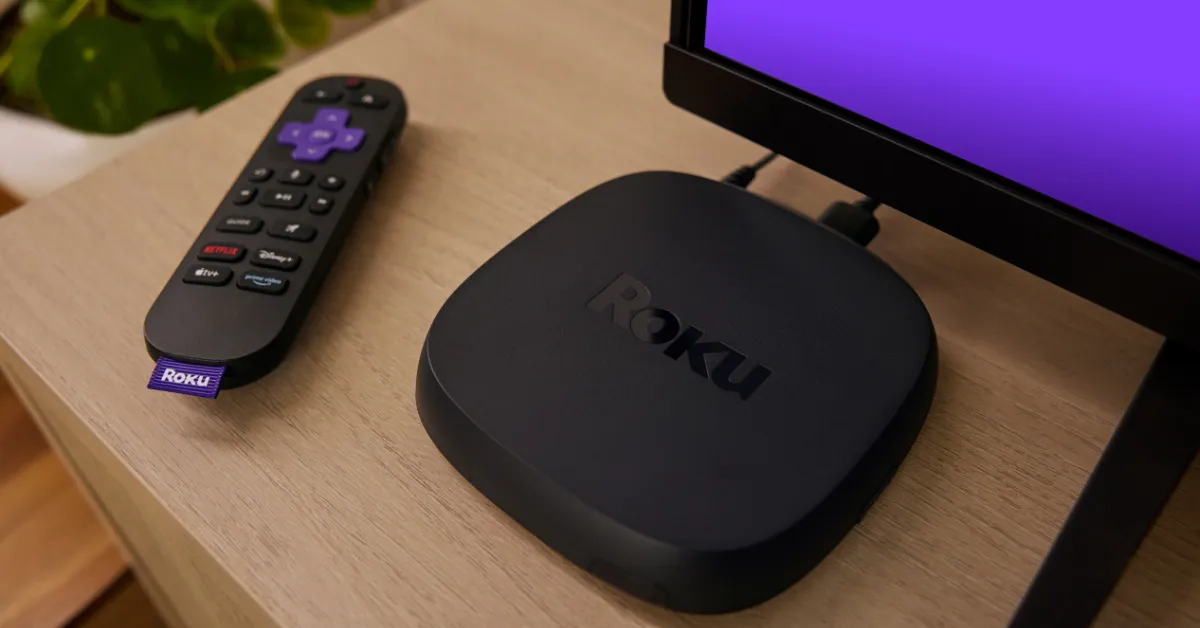
Streaming hardware maker Roku has quietly raised the prices of its flagship hardware devices due to ongoing supply issues caused by the artificial intelligence craze, The Desk can confirm.
This week, the company adjusted the manufacturer’s suggested retail price (MSRP) of its Roku sticks and set-top boxes, with some gadgets now priced 50 percent higher compared to their MSRP from last month.
The Roku Ultra saw the biggest increase, now priced at $150, up from $100. The lower-cost Roku Streaming Stick is also more expensive, now priced at $40, up from $30.
The official Roku store is currently running a sale on its streaming sticks and devices that list prices at the older MSRP as part of a discount, with customers limited to three sticks or set-top boxes per transaction. Some retail partners, like Best Buy and Amazon, will maintain legacy prices on Roku sticks and pucks until supplies are replenished.
In a phone call with The Desk on Friday, a Roku executive said the company made the tough decision to raise prices on its streaming hardware to address shortages in computer memory and other components caused by the artificial intelligence rush. The executive agreed to speak on background in order to provide information about the price increases.
Suppliers of computer-related components have shifted manufacturing over the past few years with the goal of supplying more memory, chips and other hardware to data centers specifically earmarked for artificial intelligence. The trends has caused a severe shortage of lower-cost, consumer-grade components impacting hardware makers across the industry.
Roku is not alone in raising prices for its devices: Last month, Apple announced a price adjustment on its Apple TV streaming hardware and most of its personal computers and tablets due to component supply issues, and other companies like Microsoft, Dell and Lenovo have done the same in recent weeks.
The ongoing supply shortage was initially positioned as a benefit to Roku, with executives telling investors in May that the ongoing memory and computer chip issues might actually draw more customers to its lower-cost devices because the components needed to power Roku’s sticks, pucks and smart TVs were less expensive than premium computer parts.
“One of the ways we achieve lower bill of materials cost is just using less memory and also being more versatile in the types of memory we can use,” said Roku CEO Anthony Wood. “In the TV business, every dollar matters. It’s a hugely price-competitive market.”
Wood said Roku had a “bill of materials advantage” because of its decision to use lower-powered parts that were cheaper to produce, which “attracts TV OEMs and retail partners” and is “good for our business.”
“It helps us win more accounts and win more retail placements,” Wood affirmed. “Although there is issues around memory that we have to manage, it’s generally great for our business because it, because of our bill of materials cost advantage, which allows us to just have a lower cost than all our competing, all the competing product.”
Now, Roku is forced to work through the same component supply issues that others have faced in recent weeks, with raising prices on consumer hardware as the only feasible solution.
Still, the executive who spoke with The Desk on Friday said the company believes its hardware is still competitive against other streaming TV hardware because Roku devices are still priced aggressively compared to the Apple TV and other expensive streaming hardware, and the company remains focused on looking at ways to add value to its Roku platform before and after it enters a customer’s home.
“We are doing our best to have great deals like what we have going on right now,” the executive said.
Roku is one of the most-used streaming platforms in the United States, competing heavily against players like Amazon’s Fire TV and Samsung’s smart TV. According to data from Parks Associates, Roku devices are the main streaming platform used in 28 percent of homes, a figure that rises significantly with smart TV-dedicated platforms like Samsung’s Tizen OS excluded.
Roku devices accounted for 43 percent of streaming media player purchases during the first quarter of 2026, and more than 40 percent of American households identified Roku as the primary streaming platform they use on a daily basis, Parks Associates reported. Roku stopped reporting firm monthly user numbers some time ago; when it did, Roku said its hardware was used by more than 100 million households around the world, with most of its customers in the United States.
Fox Corporation is in the process of acquiring Roku as part of a $22 billion deal, one predicated largely on expanding the media giant’s traditional and connected TV advertising businesses.
Roku will report its second quarter earnings in early August.