

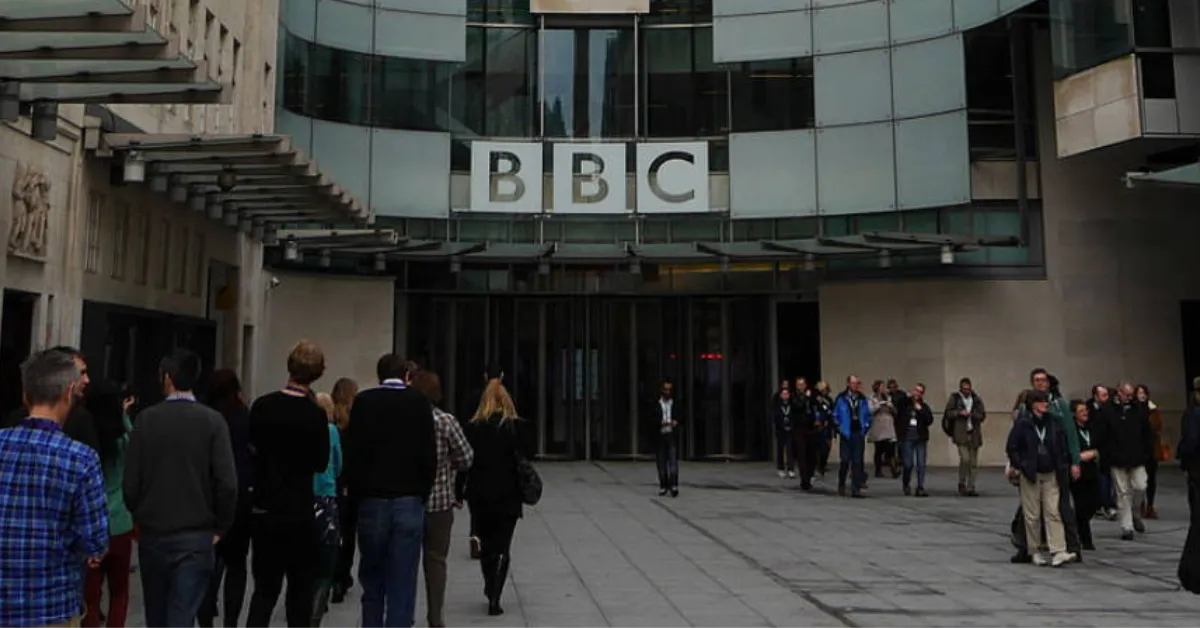
The British Broadcasting Corporation (BBC) is expected to announce deeper budget cuts within the next week that will impact the operations of some radio and television networks, according to reports published on Wednesday.
The move will be noticeable to radio and TV viewers in the United Kingdom, with the possibility that one of the BBC’s main television networks, BBC Three, will be closed down as part of the move, people familiar with the matter said.
BBC Three has been targeted by the organization in prior years: The youth-oriented channel became an online-only stream in 2016 before relaunching as a free-to-air broadcast networks 2023. Now, the channel could be shut down for good as the BBC examines whether younger viewers prefer to get their entertainment through on-demand streaming platforms like BBC’s own iPlayer instead.

Another network, BBC Scotland, could also be on the chopping block, according to a report from Deadline that was based on unnamed sources. That move could impact the BBC’s domestic radio and TV operations in the country.
The BBC has not officially commented on the reports, but officials at the broadcaster have long expressed concern about the state of the organization’s finances in the era of streaming competition.
The BBC is owned by the British public and funded through a mandatory tax levied on homes that watch linear or on-demand TV programming. The tax, called a TV license, applies regardless of how viewers watch programming, whether by traditional TV networks like the BBC or via streaming platforms like iPlayer.
The broadcaster is prevented from airing commercial advertisements on its radio and TV properties, leaving the TV tax as the primarily way to fund its operation. In recent years, the BBC has worked to build up its international licensing and commercial businesses in order to offset declining license-related revenue at home, but that business hasn’t fully accounted for its localized income losses, and it isn’t clear that it ever will.
Over the past two years, executives and lawmakers have weighed different strategies for the long-term survival of the BBC, including a plan to impose the same TV license requirements on homes that exclusively watch streaming content from foreign competitors like Netflix, Amazon and Disney. Another proposal called for implementing a foreign streaming tax on those platforms, which subscribers would pay through their monthly or annual streaming bills. A third proposal allows the BBC to air brief commercial advertisements on radio and TV, similar to how the country’s other publicly-owned outlet, Channel 4, generates revenue.

New BBC Director General Matt Brittin has spent his early months examining whether the broadcaster’s output is meeting audience needs and is said to be considering whether resources should be shifted away from services that are losing influence. In June, Brittin said the BBC will cut commission spending across its media properties by up to £80 million (around U.S. $105 million) and begin to review the efficacy of its TV and radio networks.
The loss of BBC Three would be pronounced on free-to-air TV: The channel offers a robust slate of children’s programming under the CBBC franchise and alternative shows and reality series like “RuPaul’s Drag Race UK” and “Smoggie Queens” that might not otherwise air on broadcast TV in the country.
Up to 2,000 jobs are at risk under its long-term savings strategy. The BBC is also negotiating with unions over pay, with the risk of industrial action rising after unions rejected two offers.