

A software engineer employed by OpenAI has been arrested and charged with allegedly installing a concealed audio recording device inside an executive conference room at the artificial intelligence company’s San Francisco headquarters.
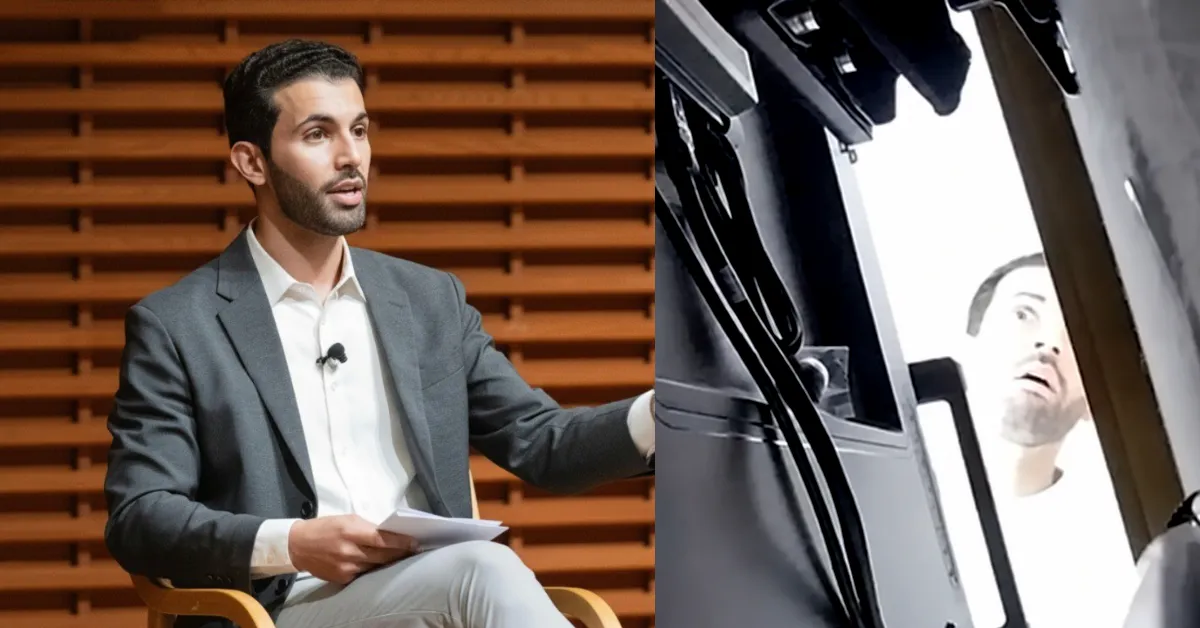
On Tuesday, prosecutors with the U.S. Department of Justice identified the employee as Abdulrahman Alfozan, 35, a Saudi Arabian national who has worked as an engineer at OpenAI since July 2025.
Alfozan was arrested late last week and made his initial court appearance on Tuesday. He remains in federal custody pending a detention hearing scheduled for October 19.
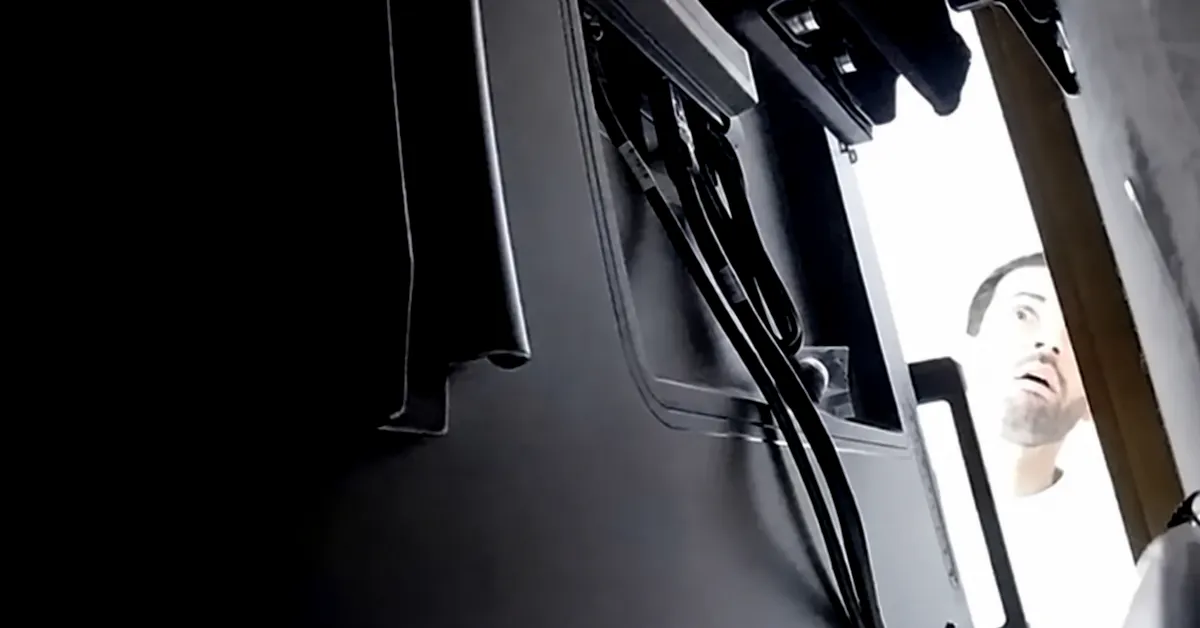
According to a criminal complaint unsealed by the court, OpenAI personnel last month discovered a concealed recording device that was connected to a smart television located in one of its conference rooms.

The device, which investigators said was concealed in toilet paper, had apparently been installed around September 28 and contained encrypted data.
Prosecutors said the conference room was frequently used for confidential discussions involving proprietary research, product development, business opportunities, government engagements and strategic decisions.
Surveillance footage allegedly showed Alfozan near the conference room on multiple occasions before the device was discovered, although he was not authorized to enter the room or attend meetings held there.
Investigators said Alfozan had previously used an internal productivity tool to search for information about OpenAI buildings, conference room locations, meeting schedules and executive gatherings.
The complaint also describes activity involving a chatbot account associated with Alfozan’s spouse that shared identifying characteristics with his own account. Over a six-day period last month, that account allegedly submitted questions about building continuous audio recording equipment, configuring wireless connectivity, enabling remote listening and encrypting stored recordings. Some inquiries reportedly referenced technical identifiers associated with the device recovered from the conference room, prosecutors said.
Investigators also cited surveillance footage from October 5 that allegedly showed Alfozan entering the conference room and looking behind the television where the device had been installed.
That same day, OpenAI security personnel discovered another recording device inside an unattended bag belonging to Alfozan, according to the complaint.
“The Bay Area and Silicon Valley lead the world in developing tomorrow’s technology, and our Office will continue to stand at the forefront of protecting that American innovation,” U.S. Attorney Craig Missakian said in a statement. “For us it is a matter of national security. This arrest highlights our relentless efforts in partnership with the FBI to identify and prosecute those who seek to steal our technology, as alleged in the complaint.”
It was not clear if Alfozan has retained counsel in the matter, though a court typically appoints an attorney to defendants during or just after their initial appearance in a criminal matter. If convicted, he could receive a maximum sentence of five years in federal prison, a $250,000 fine and three years of supervised release, though a judge will likely issue a more-lenient sentence if he has prior criminal history and if he accepts a plea agreement to avoid a trial.
Alfozan has a lengthy history of working in the tech indostry: He joined streaming tech developer Akamai in 2012 as an intern while attending the Massachusetts Institute of Technology (MIT), then moved to Northern California to become a senior systems engineer at Meta Platforms, then known as Facebook.
He graduated from the University of California at Berkeley with a Master’s in Data Science last year, around the same time he joined OpenAI as an engineering lead, according to a resume posted online. In addition to his work at OpenAI, Alfozan also served as a partner at RAED Ventures and a founding engineer at tech infrastructure firm Nash.
Alfozan’s arrest comes about a week after leading artificial intelligence researchers testified before the city council in New York City on possible concerns raised by the technology’s quick development.
During the hearing, former Anthropic engineer Jacob Coxon said developers have increasingly adopted a “move fast, break things, fix later” approach to building artificial intelligence algorithms and tools — a mindset that “works for a photo sharing app, but does not work for building the most powerful technology ever built.”
Coxon left earlier this year, announcing his departure in a series of social media posts that raised flags within the tech community about whether unchecked and unrestrained artificial intelligence development could have drastic global consequences.
President Donald Trump has tried to assuage those concerns by rebranding artificial intelligence as “super intelligence,” a term that federal law enforcement authorities echoed in their announcement on Alfozan’s arrest.
It was not clear if Alfozan’s alleged surveillance was connected to any future whistleblowing aspirations.