



Key Points

- Gracenote has filed a federal lawsuit accusing OpenAI of using its proprietary entertainment metadata to train ChatGPT without authorization.
- The case could test whether the structure and organization of proprietary datasets are protected under copyright law.
- Gracenote says the alleged copying could allow tech companies to build competing metadata services without paying licensing fees.
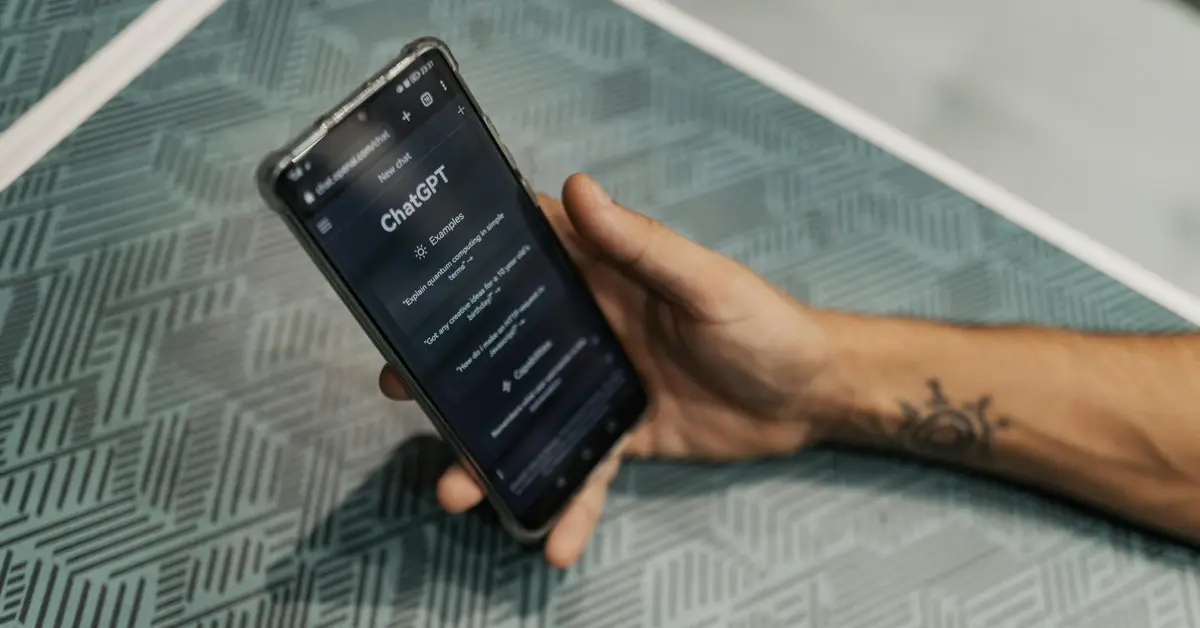
Nielsen Media Research’s metadata and content identification business Gracenote has filed a federal lawsuit against ChatGPT developer OpenAI, accusing the tech company of using its proprietary entertainment data solutions to train its large language models (LLMs) without authorization.
The lawsuit, filed in New York federal court, accuses OpenAI of reproducing Gracenote’s metadata and the relevant framework used to organize it, a structure that the company says is a core part of the value it provides to enterprise clients like cable television systems and smart TV manufacturers.
The case could establish a new legal precedent around whether the sequence, organization and structure of proprietary datasets are protected under copyright law. While numerous lawsuits have been filed by media and publishing companies against artificial intelligence developers, few have focused specifically on the alleged copying of the underlying framework that connects data within a database.

Gracenote maintains one of the entertainment industry’s most widely used metadata catalogs, covering music, television, film and sports programming. The company employs hundreds of editors who create narrative descriptions, unique identifiers and other metadata elements designed to help distributors and platforms organize and surface content for viewers.
In its complaint, Gracenote cited examples in which ChatGPT allegedly produced descriptions that closely resemble those written by its editors. One example involves the HBO series Game of Thrones. Gracenote editors described the show as “the depiction of two power families — kings and queens, knights and renegades, liars and honest men — playing a deadly game of control of the Seven Kingdoms of Westeros, and to sit atop the Iron Throne.”
The company alleges that ChatGPT generated a near-identical description when prompted by users, and that other prompts can produce similarly verbatim excerpts from its database.
Gracenote’s Programs Database, which includes both its metadata and the relational mapping used to connect the data, is registered with the U.S. Copyright Office. The lawsuit seeks statutory damages, which are predetermined penalties for copyright violations, as well as actual damages tied to any financial harm suffered by the company.
The complaint also claims the alleged use of its data could allow technology companies to build competing metadata services without paying licensing fees, potentially undermining Gracenote’s business relationships with device makers and distributors.

A spokesperson for OpenAI said in a statement that the company’s models are trained on publicly available data and rely on fair use principles. (The Desk has a content distribution arrangement with Microsoft, which has a collaborative development agreement with OpenAI. Microsoft is not a party to Gracenote’s lawsuit against OpenAI.)
Despite the lawsuit, Gracenote says it supports artificial intelligence development and has licensing agreements with technology companies including Samsung and Google. The company said it repeatedly attempted to discuss licensing arrangements with OpenAI but that those efforts were unsuccessful.
“Being pro-AI and anti-theft aren’t contradictory; they are the only sustainable path forward,” Gracenote Chief Executive Officer Jared Grusd said in a statement. “We’ve filed suit to protect that future.”
More Stories
- Samsung partners with Gracenote for AI-based discovery on smart TVs
- Gracenote launches Content Connect for program-level targeting
- Report: The Trade Desk holds talks with OpenAI on advertising pact
- OpenAI wants to make ChatGPT less woke
- New York Times sues Microsoft, OpenAI for alleged copyright infringement