


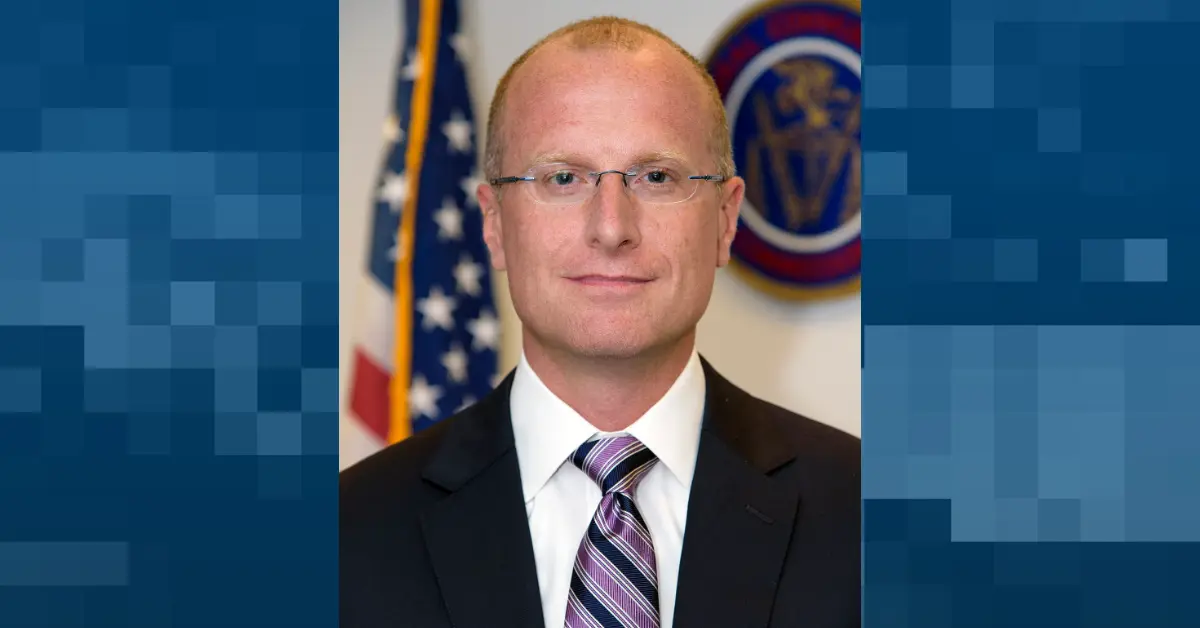
President-elect Donald Trump on Sunday said he will appoint Brendan Carr to serve as the Chair of the Federal Communications Commission (FCC) upon taking office in January.
The decision to appoint Carr to the position comes two weeks after Trump clinched a second non-consecutive term in the White House. Trump first nominated Carr to the FCC in 2017, and his appointment was unanimously approved by the U.S. Senate at that time.
Carr will be able to serve as the FCC Chair within moments of Trump being sworn into office, as the role does not need legislative confirmation. His positions have largely favored corporate broadcasters and telecommunications providers, and he has been outspoken about policies enacted under current FCC Chairperson Jessica Rosenworcel over the past few years.
Related: Trump’s victory is a major win for broadcasters, telecom operators
Broadcasters feel they will have an easier time pushing for a relaxing of media ownership rules and new regulation that require streaming services to directly negotiate carriage of local TV channels with the owners of those stations (currently, the majority of TV carriage contracts on streaming services like Fubo and YouTube TV involve the network owners or network affiliate boards).
Critics say easing up on media ownership rules will open the door for a few commercial broadcasters to become the dominant players in the space, in a way that will reduce competition and lessen incentives to invest in local news and other programming. Several major broadcasters have already consolidated or shut down entire newsrooms over the past few years, a trend that is likely to worsen with media deregulation and consolidation.
Consumer advocates also say requiring streaming services to negotiate directly with broadcast station owners will result in higher fees and programming disputes that already afflict cable TV and satellite platforms. Cable and satellite companies have long been required to negotiate directly with broadcast station owners, and broadcasters have raised fees on those services over time to address an ongoing downturn in the TV advertising market.
Broadcasters say the current regulatory environment isn’t fair, because the shift to streaming services has left them unable to recoup fees that are needed to support their operations, including their ongoing investments in local and national sports rights. During programming-related disputes with pay TV operators, broadcasters typically assert that the fees they’re seeking are reasonable given the programming their stations carry.
On Sunday, the National Association of Broadcasters — the main lobbying arm of the commercial radio and TV broadcast industry — congratulated Carr on his win.
“Commissioner Carr has been a steadfast leader in holding ‘Big Tech’ accountable and supporting policies that will allow local broadcast stations to better compete with these behemoths and thrive,” a spokesperson for the NAB said in a statement emailed to The Desk. “We are excited to continue our work with the chairman-designate to level the playing field and remove regulatory barriers that impede investment in local broadcast newsrooms. Together, we will ensure local television and radio stations can innovate and continue to serve communities across the country.”
Even without a Trump win and a Carr appointment, there were signs that the FCC was likely headed in the direction of favoring broadcasters over cable platforms and consumers. The Supreme Court’s decision to overturn the Chevron doctrine earlier this year allowed commercial stakeholders to challenge whether certain FCC regulations not directly connected to an act of Congress were legally permissible. Nexstar Media Group, the largest independent broadcaster in the country, has already utilized the Supreme Court’s order to challenge an FCC fine connected to a cable carriage dispute.