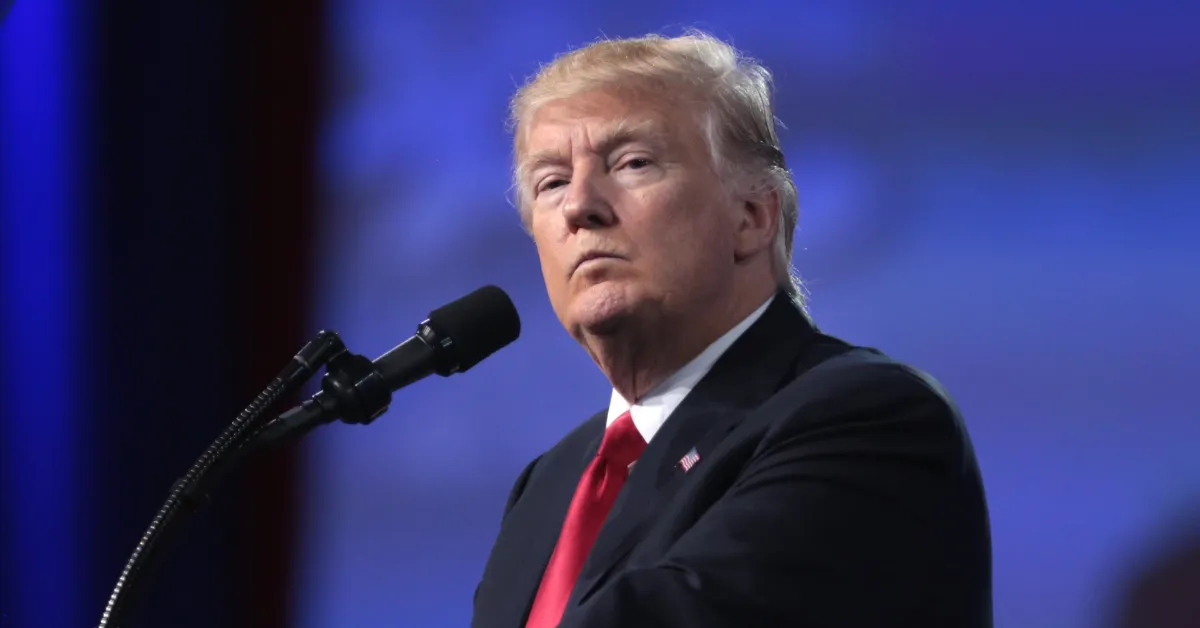
When Americans went to the poll on Tuesday, they didn’t secure an apparent victory for Donald Trump — they made Christmas come a little early for the country’s commercial telecommunications industry.
The likelihood that the country’s telecommunications and broadcasting landscape will experience a significant evolution over the next few years is incredibly certain, spurred by a Trump victory and Republican control of one, if not both, chambers of Congress.
Behind the scenes, telecoms have salivated at the prospect that a second Trump term would bring — from rolling back federal ownership caps that limit the growth of any individual commercial broadcaster (which are intended to limit monopolies, but have also prevented large TV and radio broadcasters from merging with one another) to imposing new restrictions on streaming cable-like services that force them into contractual agreements that allow commercial broadcast station owners to recoup fees for their channels (which is the primary reason why traditional cable and satellite bills have skyrocketed over the past decade).

And then there’s network neutrality, which reclassifies Internet service providers as Title II “common carriers,” allowing the Federal Communications Commission (FCC) to impose restrictions and regulations that, in effect, requires broadband service providers to treat Internet traffic without discrimination. During the Obama administration, the FCC approved regulating broadband ISPs as Title II common carriers and implemented network neutrality — something that was undone during the first Trump administration, only to be reverted under the Biden administration.
A second Trump administration ushers in the prospect that federal regulators switch positions from being pro-consumer toward pro-corporation — and America’s telecoms and broadcasters can’t wait for that to happen.
No one has pandered more to the wishes and whims of America’s telecoms and broadcasters than current FCC Commissioner Brendan Carr, who is likely to succeed current FCC Chairperson Jessica Rosenworcel in the agency’s leadership position shortly after Trump takes office in January.
A Carr-led FCC will change the landscape significantly. He has previously affirmed his support for instituting a hard sunset of ATSC 1.0, the current digital TV broadcast standard, in favor of ATSC 3.0 (or “NextGen TV”). That could happen as soon as 2027, when a current FCC mandate that requires NextGen TV stations to simulcast their main signal via ATSC 1, so that people with existing TV sets can still receive broadcast TV.
While there are plenty of reports indicating that NextGen TV signals reach the majority of Americans, there are few surveys that offer any insight into how many American households have equipment that can receive and decode those signals. To make matters worse, there are still unsettled issues over the viability of NextGen TV, from signal encryption (which requires a tuner to be connected to the Internet to download encryption certificates needed to receive a station) to a lack of commitment by any commercial broadcaster to maintain free-to-access digital TV signals once the transition is made (they can, presumably, start charging for their signals whenever they’d like, unless the FCC tells them not to).
Carr has also been swayed by a common complaint among broadcasters that current federal regulations do more harm than good, especially given the prominence of streaming services. On the one hand, a rule that prevents the owners of licensed TV and radio stations from gobbling up their competitors and becoming mega-broadcasters is too limiting, given the widespread availability of streaming services, which face no such restriction. On the other hand, the lack of a rule that forces streaming cable-like services, like Fubo and Sling TV, to negotiate carriage of signals directly with independent commercial broadcasters chips away at their potential revenue source.
In other words, broadcasters want to change the rules so regulation works for them, rather than against them.
If Carr becomes the chair of the FCC — which is likely to happen under Trump — broadcasters will likely get everything they wish for. That doesn’t necessarily bode well for consumers, who will have to shell out their own cash for a new TV set or converter box in order to receive likely-encrypted broadcast TV signals, or pay for a streaming cable-like service that carries local stations (which will be afflicted by the same rising fees as cable and satellite companies).
Other regulations the FCC has made progress on over the past few years will likely be undone — from rules that require cable and satellite companies disclose all-in pricing, inclusive of fees, when they advertise their services, to a proposed regulation that bans cable and satellite companies from charging early termination fees when customers want to break their contracts. On the issue of network neutrality, the pendulum simply swings in the other direction, prolonging a chaotic series of events that regulators, service providers and consumers have had to navigate for much of the past decade — but one that will likely favor telecoms just long enough to make a reversal of network neutrality permanent.
For broadcasters and telecoms, good times are ahead. For consumers, maybe not so much.