


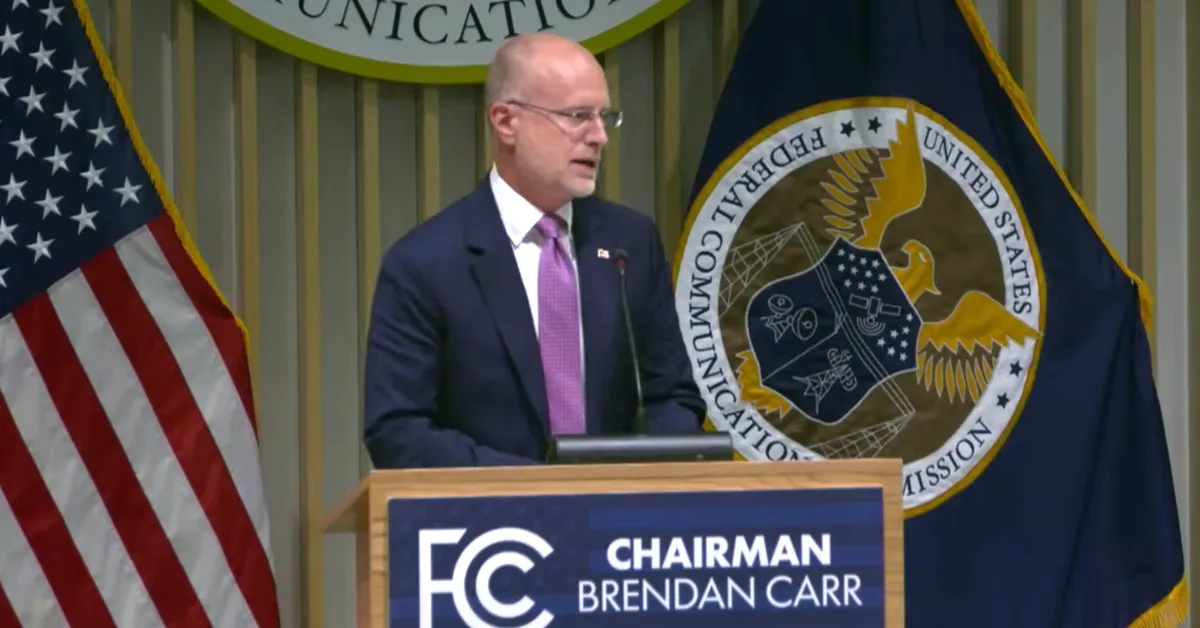
The Federal Communications Commission (FCC) voted on Thursday to abolish a long-standing limitation that limits the direct reach of local television broadcasters.
By a 2-1 vote cast along party lines, the FCC adopted a proposal that eliminates the 39 percent ownership cap on broadcast TV stations, replacing it with a case-by-case review of acquisitions, swaps and other transactions.
The move is a temporary win for broadcasters that sought further consolidation in the industry by eliminating the rule, which prevents one company from having direct ownership of licensed broadcast TV stations that reach more than 39 percent of the American viewing audience.
Many local broadcasters said the rule, in place for more than two decades, limited their ability to scale their operations at a time when tech-backed streaming services were siphoning off premium programming and related advertising revenue through national products that faced no similar restraints. The limitation prevented their ability to make sustained, long-term investments in local news and community-oriented programming, they complained.
During the commission’s open meeting on Thursday, FCC Chairman Brendan Carr echoed those sentiments, saying the broadcast ownership cap was outdated at a time when cable channels and streaming platforms were allowed to reach audiences from coast to coast.
He said replacing the broadcast TV ownership cap with a case-by-case review of media-related transactions was more-appropriate, because it allowed the FCC to judge the merits of any proposed deal against a broadcaster’s obligation to serve the public interest. Under Carr’s leadership, the FCC has already allowed some broadcasters, including Nexstar Media Group, to engage in acquisitions that exceed its ownership cap.
“The FCC’s decision to eliminate the outdated national television ownership cap marks a generational step toward strengthening local stations and ensuring they can compete in today’s media marketplace,” the National Association of Broadcasters, one of the organizations backing the proposal, said in a prepared news release within minutes of the vote being cast on Thursday. “We applaud Chairman Carr and the commission for recognizing that rules adopted decades ago should not constrain local broadcasters’ ability to invest in journalism, innovation and service to their communities. Today, the FCC helped level the playing field and strengthen local stations’ ability to deliver the trusted news and emergency information millions of Americans rely on.”
Critics say abolishing the broadcast ownership limitation was outside the FCC’s authority, because Congress requires the agency to impose ownership restrictions. An updated version of the Communications Act specifically calls for the cap that the agency voted to dissolve on Thursday. Lawmakers also require the FCC to review other ownership rules on a four-year basis, something that the agency has been consistently late to deliver.
Some opponents of abolishing the rule, including Newsmax CEO Christopher Ruddy, said they would challenge the matter in court. It wasn’t clear if those same opponents planned to file a lawsuit seeking to block the FCC’s vote; a spokesperson for Newsmax did not return an inquiry from The Desk last year asking about Ruddy’s plans to that effect.
During a press conference after the vote, Carr said he “wouldn’t be surprised” if someone tried to challenge Thursday’s action in court.
“Everyone is free to appeal FCC decisions; that’s how the process works,” Carr affirmed. “We’ll litigate it and see where it goes.”
Carr and FCC Commissioner Olivia Trusty voted to pull the broadcast ownership rule; FCC Commissioner Anna Gomez cast the lone dissenting vote.
Gomez later told reporters that the agency exceeded its statutory authority by eliminating the cap, which she said was motivated by the FCC’s decision to reward itself with more power and punish broadcasters who draw the ire of President Donald Trump through their entertainment and news programming.
“This was never about balance, because the FCC has no business balancing the ideological content of the news in the first place,” Gomez said on Thursday. “What this commission wants is power — the power to reward broadcasters who play ball, and punish those who don’t.”
Gomez said a number of conservative and religious broadcasters had expressed concern about eliminating the broadcast ownership cap, saying it could set a precedent that might be used against them by future administrations.
“They are right to be worried,” Gomz warned.

More Stories
- Maryland Congressman Jamie Raskin warns FCC against probe into ABC’s TV licenses
- FCC reviewing recent affiliation swap announcement, Chairman Carr says
- FCC vote on ownership cap coincides with broadcast-related financial earnings releases
- Appeals court tosses challenge to FCC’s approval of Nexstar-TEGNA deal
- FCC to eliminate broadcast ownership rule in August