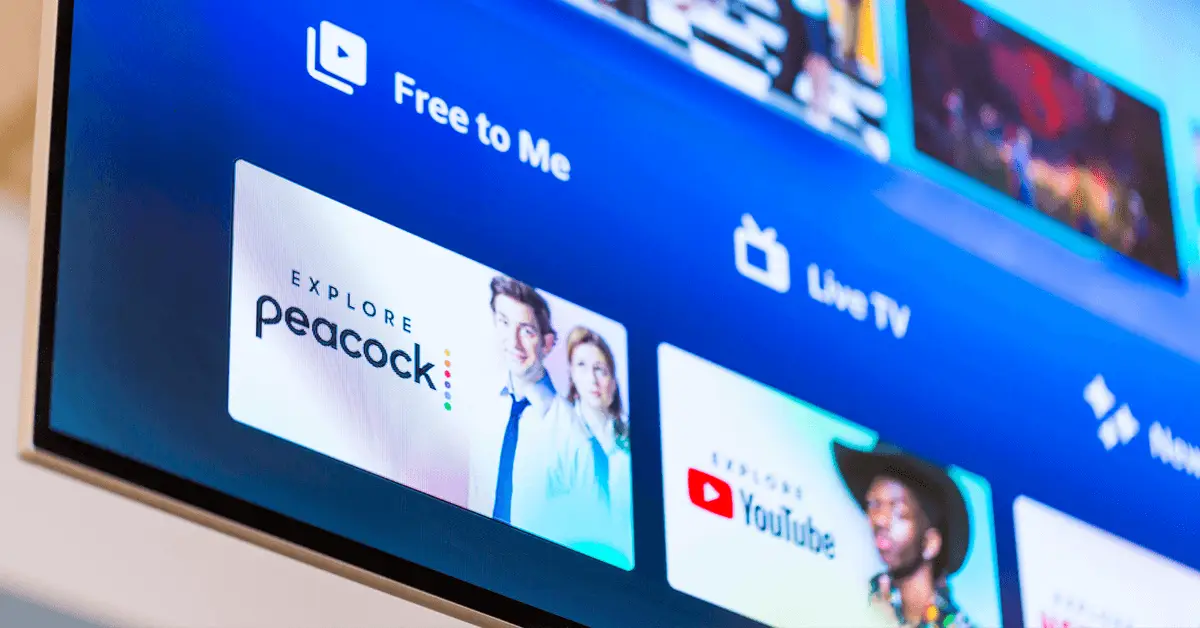
Charter Communications on Wednesday announced a new multi-year distribution deal with Comcast’s NBC Universal that will allow customers of its Spectrum TV service to get access to the ad-supported tier of Peacock as part of their service.
The deal follows similar agreements reached between Charter and other programmers like the Walt Disney Company, Warner Bros Discovery (WBD), AMC Networks, Paramount Global, Allen Media Group and Televisa-Univision, which roll access to ad-supported streaming services into eligible Spectrum TV plans.
“With the renewal of our long-standing partnership with NBC Universal, we now have completed deals with every major programmer to create better flexibility and greater value to our customers by including DTC (direct-to-consumer) streaming apps with their Spectrum TV service, at no extra cost,” said Tom Montemango, the Executive Vice President of Programming Acquisition at Charter. “As we look ahead to 2025, we plan to extend this customer-first philosophy and deliver even greater value and choice to better align with customers’ current viewing preferences, including through hybrid linear DTC relationships, DTC streaming to Internet-only subscribers, and smaller video packages with DTC add-ons. We appreciate NBC Universal’s willingness to join forces with us for the benefit of our video and broadband customers.”

Charter has looked at inclusion of streaming services as one way to help address churn afflicting traditional cable and satellite TV providers over the past few years. Streaming services typically offer the same programming as that found on broadcast and cable networks, but at lower rates compared to the bundled offerings of pay TV.
As of June, Charter counted around 13.3 million subscribers to its Spectrum TV service. Most of those subscribers have, or will have, access to entertainment-based streaming products as part of their plans, which Charter typically purchases at a wholesale rate. It wasn’t clear from the announcement on Wednesday if this was the case with NBC Universal.
“This extension of our strategic relationship with Charter ensures Spectrum video customers will continue to have access to the leading media portfolio, whether they choose to watch on traditional TV or stream it on Peacock,” Matt Bond, the Chairman of Content Distribution at NBC Universal, said on Wednesday. “We also achieved our primary goal, which was to strike a deal that recognizes the value of our linear programming and the investments we’ve made in developing premium content, expanding the distribution of Peacock to more consumers. We are pleased to partner with Charter to reach these objectives to the benefit of our viewers.”
Charter and Comcast offer many of the same core services, although they operate in different parts of the country. The two companies operate the connected TV company Xumo as equal participants in the joint venture.