


Special Coverage
So, here’s the thing: When Flo Rida closes out the first day of the StreamTV Show in Denver, one gets back to their hotel room very late.
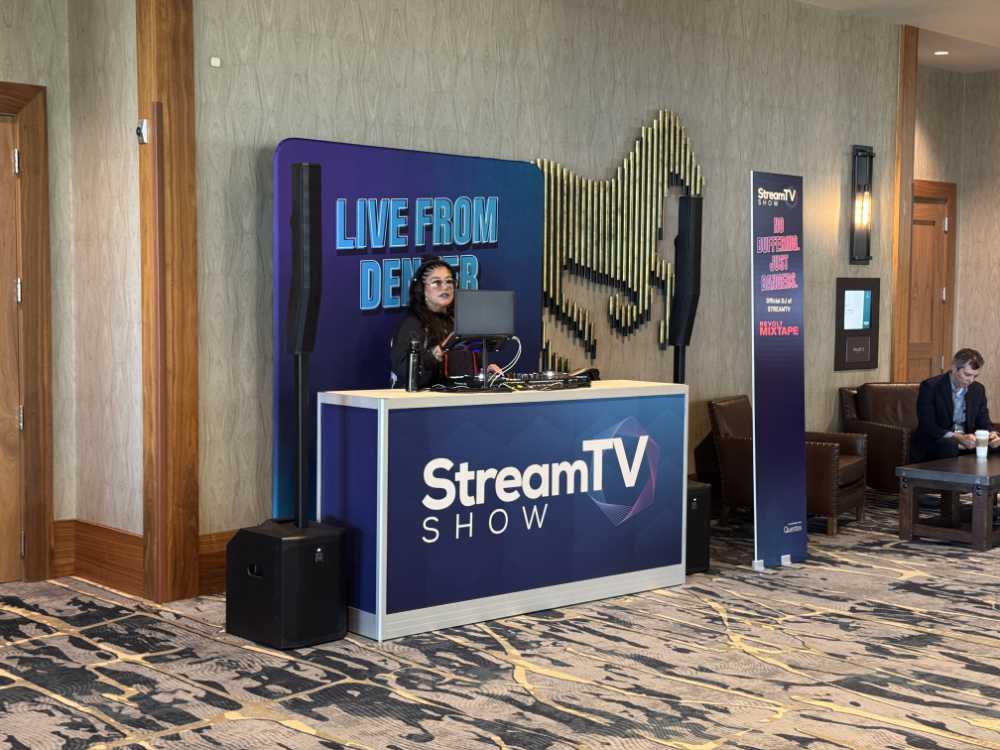
Curiously, the StreamTV Show kicks off its second day bright and early in the morning — with goat yoga offered as a wellness benefit to those who can run on just a few hours of sleep.
One of the most-anticipated events of the day will be Evan Shapīro’s Media Universe Summit, an add-on to the StreamTV Show that will be exploring a number of high-level topics. In a side conversation yesterday during an outdoor reception, Shapīro promised the event will have everyone talking — he’s going to make a bold proclamation during his keynote address at 9 a.m. local time, and things will go from there.
We’ll be delivering highlights from the Media Universe Summit and select panels and fireside discussions from the core StreamTV Show throughout the day.

9 p.m. ET (7 p.m. local) — Cineverse is generously hosting a post-show cocktail reception in the exhibit hall. All the panels and fireside chats have wrapped for the day. The downtime begins, and that’s our cue to wrap up coverage of StreamTV Show Day 2.
It will also cap our live coverage for the week — flight schedules have us unable to attend the final day of the conference.
Frankly, what we did cover barely scratched the surface. If you still have FOMO, consider attending StreamTV Show 2027 — learn more about that and other conferences by clicking or tapping here.
Throughout this week and next week, we’ll have full coverage of select keynote speeches, panel discussions and broader topics in discussion at this year’s StreamTV Show. Be sure to sign up for our free newsletters to be notified about our latest stories.
Thank you to our publishing peers for extending such a warm, welcoming hand during our trip to Denver: Daniel Frankel, David Bloom, Kirby Grines, Janko Roettgers, Alan Wolk, Jason Damata, Rick Ellis (whom I did not actually get to say hi to, but I saw floating around) and Dak Dillon. Please support their work.
To the analysts, C-suite executives, publicists, communications specialists, entrepreneurs, technology solutions providers, content distributors, platforms, marketers — it was an absolute pleasure interacting with you this week.
The show might be wrapping on Friday, but your story doesn’t end in Denver. Let’s continue the conversation and bring the story of your excellent products, services and ideas to the world. Follow our LinkedIn page here, and connect with my personal LinkedIn page here.
Until next time. -MK
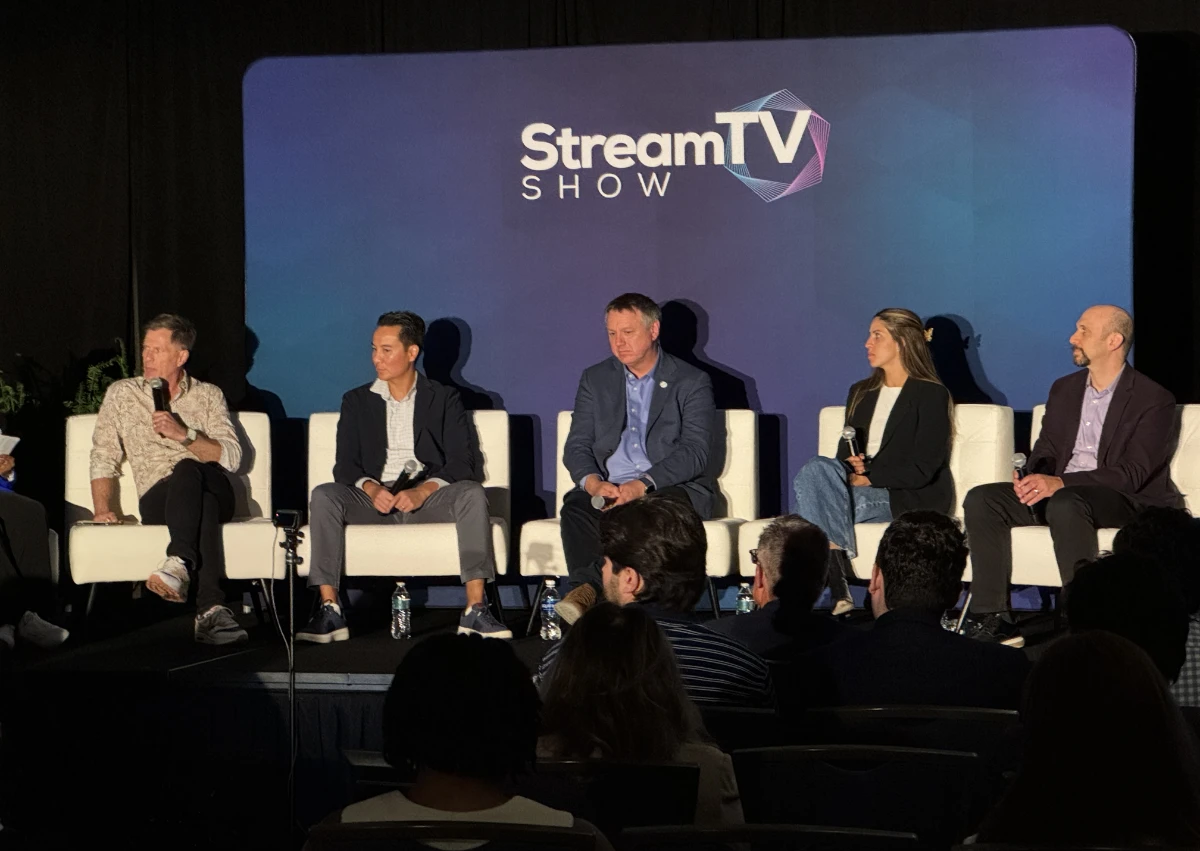
5:30 p.m. ET (3:30 p.m. local) — Providing more-flexible offers to video consumers will benefit all parts of the entertainment and media industry — from distributors like Dish Network and Sling TV to content producers like Warner Bros Discovery (WBD) and Disney’s ESPN.
That was one of several takeaways from a panel focused on whether consumers are being afflicted with too many choices in the marketplace.
David Teplinsky, the Vice President of Programming and Content Acquisition at Dish Network and Sling TV, said the industry should lean into breaking the typical annual or monthly subscription cycle and give consumers what they want: The option to access content through different timed subscription plans at attractive prices.
Sling TV has pioneered this concept with the recent launch of the Day Pass, which allows sports fans to access ESPN and a handful of other news, sports and entertainment channels, starting at $5 per day. Three-day and seven-day passes are also available at various price points.
“Having the rice price points helps avoid piracy,” Teplinsky said. “If the content is not available, the customers are still going to watch it — they’re going to find a way. They’re going to pirate it through illegal boxes. They’re going to use a VPN. They’re going to find a way to get the most popular content. It’s just not that hard.”
When consumers feel legal options are too expensive or carry too many strings — Teplinsky thinks monthly plans are good for some consumers, not so much for others — the industry ultimately loses out when customers turn to piracy.
“It benefits us as an industry, it benefits the platforms, it benefits the content owners to have a reasonable price point that matches the quality and the value of the content you’re offering,” he said.
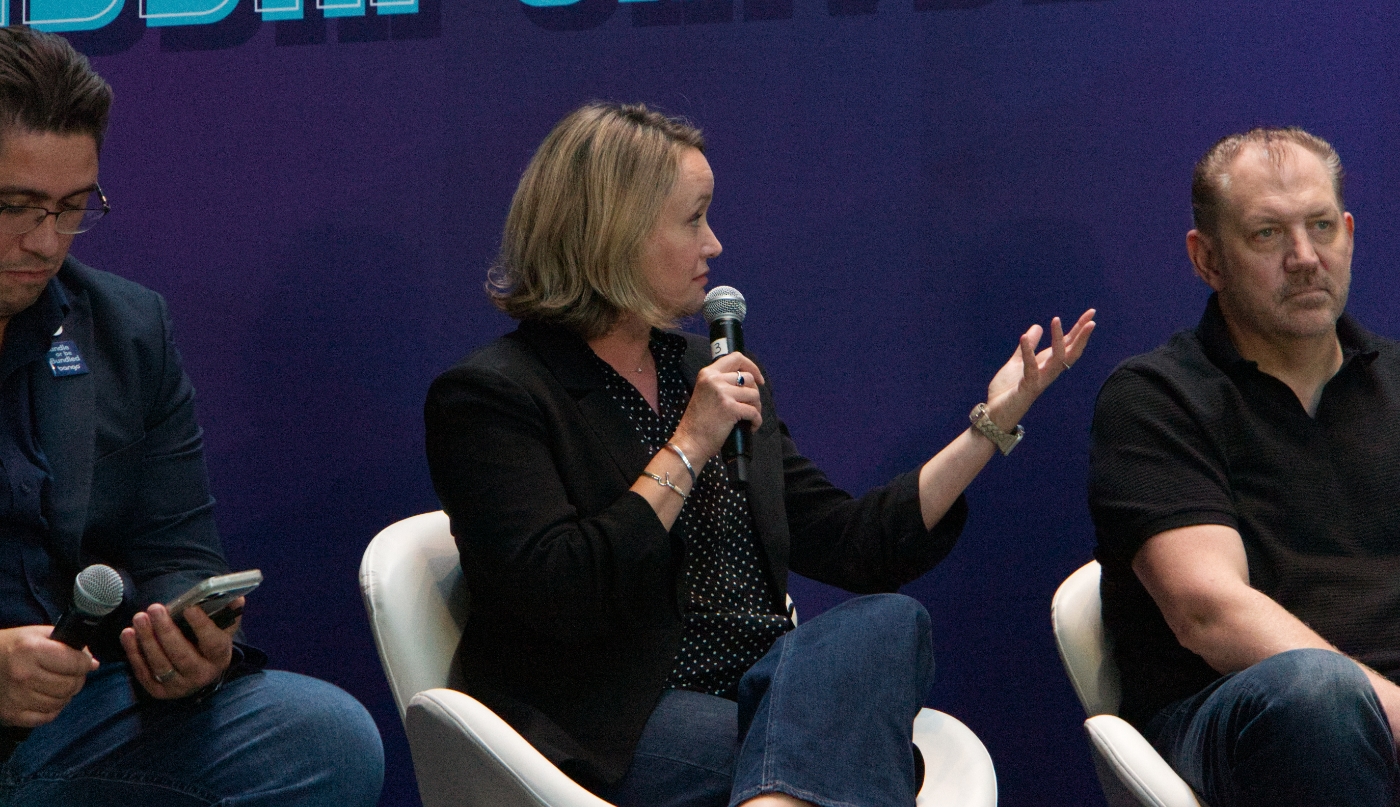
4:30 p.m. ET (2:30 p.m. local) — Streaming bundles launched by pay television services are helping draw new customers and retain existing ones.
At the Media Universe Summit, DIRECTV’s Stefanie Ball said the company’s genre-based packages launched last year are attracting new subscribers who have never used a DIRECTV product in the past.
“Sixty percent of customers who are signing up for genre-packages today…are customers we’ve never been able to work with in the past — they didn’t want our signature offerings,” Ball said. “That has been a real win for us.”
DIRECTV’s genre packs collate channels around themes like entertainment, news and sports. Streaming services like ESPN Unlimited, Hulu, Disney Plus and HBO Max are available to customers with eligible packages.
Charter has seen similar success by tying linear Spectrum TV packages with streaming apps included at no extra cost, Scott Barton said on stage.
“Of the eligible customer base, over 50 percent have activated at least one. app; once they’ve figured it out, and they see the value is there, they’re activating four on average,” Barton said.
He continued: “That is driving a reduction in churn by one-third. That’s obviously a win for us, but it’s also a win for our streaming partners…all ships rise when we deliver a better value for our customers and our streaming partners.”
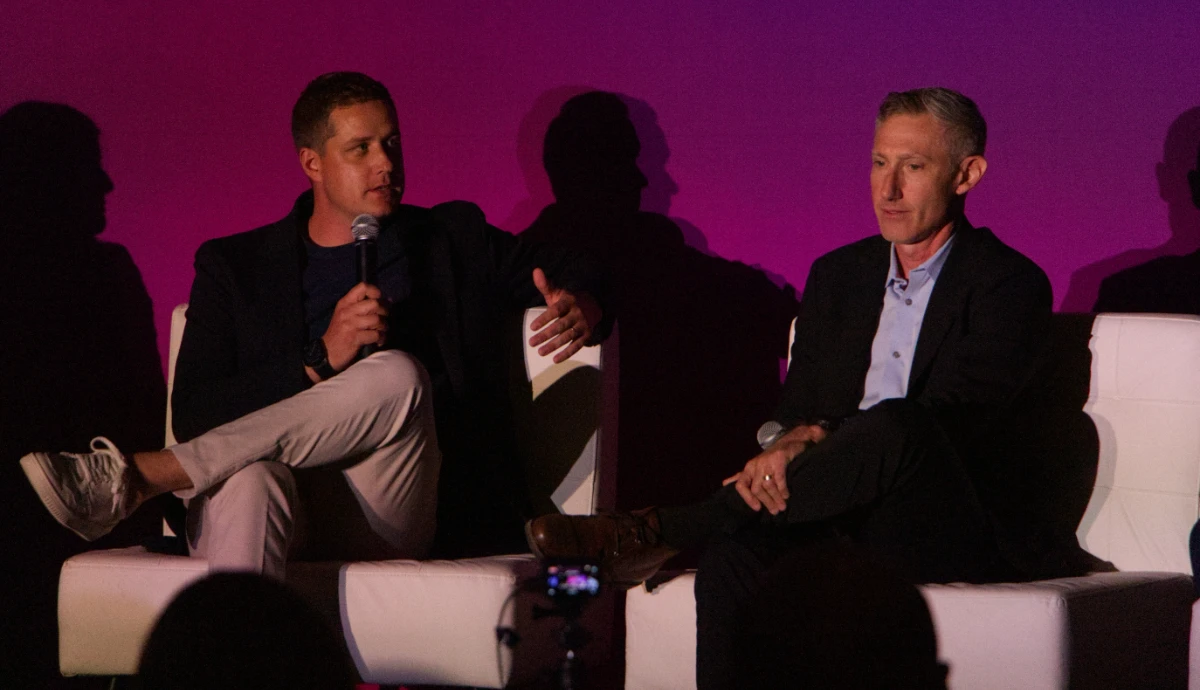
3:40 p.m. ET (1:40 p.m. local) — A panel hosted by OTT Executive Community President Brian Mahony is taking a deep dive into the issue of live sports advertising on connected TV platforms.
The controversy over ad interruptions on Fox during hydration breaks at the FIFA World Cup tournament is brought up, and the empaneled executives say broadcasters need to figure out how to deliver advertising that doesn’t interrupt the fan experience.
“It was huge amounts of money, create another ad pod…I get all that,” Scott Young, the co-Founder and Chief Product Officer at Transmit, said during the panel. “The economics fit, media rights are expensive…but, in the future, there’s better and more viewer-friendly ways in which to do that. You can still recognize a lot of value while keeping the viewer engaged in the game and not changing the rules of soccer.”
Joe Nilsson with C15 Studio said a collective experience like the FIFA World Cup tournament would be better served if global audiences are served the same experiences.
“Anything that interrupts the action is problematic. With soccer or football, it’s got a global audience,” Nilsson said. “When you look at it through the U.S. lens, the notion of a break in play is not new, but when you look at it from a U.K. or Europe view, it’s unconstitutional. It never happens, it shouldn’t happen. If everyone is experiencing what a U.S. audience is used to but a European audience is not, you’re going to get push-back from the rest of the world.”
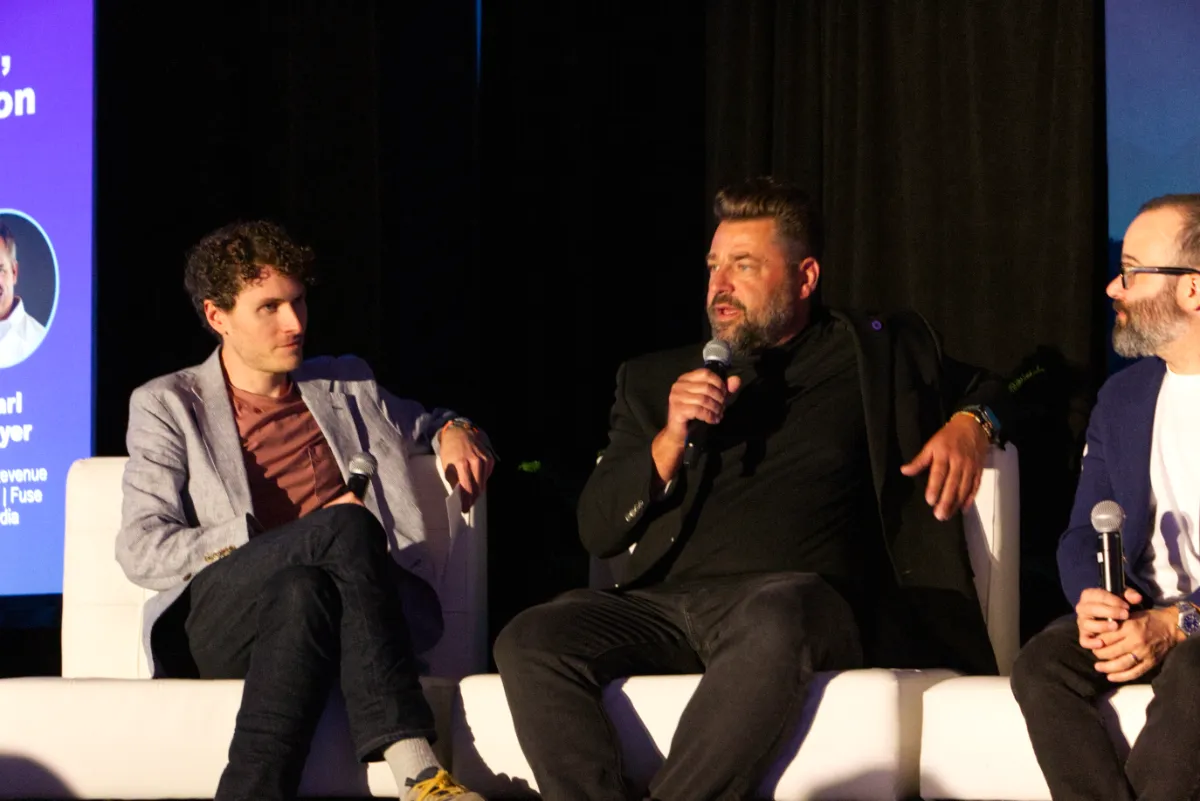
1:30 p.m. ET (11:30 a.m. local) — As FAST channel viewership enters its maturity phase, the real challenge now is figuring out how to fill inventory so that consumers aren’t subjected to those “We’ll be right back” slates.
A panel hosted by NCS Editor-in-Chief Dak Dillon is tackling that issues, with solutions ranging from more data collection and evaluation to executing ad strategies with specific intent to reach FAST viewers where they are.
“We have to scale; we don’t need more channels,” Sebastian Braun, the CEO of 24i, said during the discussion. “Viewership is good. We need to understand the precision, precisely understand the viewer, to target them better.”
“We’re able to extract nuanced data now, and with AI, it’s at scale. That’s extremely powerful,” said Ingrid Mariotti, the Vice President of Business Development for the Americas at Wurl. “We’re seeing that prove itself out…it’s creating incremental impressions through these new ad formats as well. Leveraging data will only give us more power to create more audience segments, more contextual segments. I think it will become more targeted and a better experience overall.”
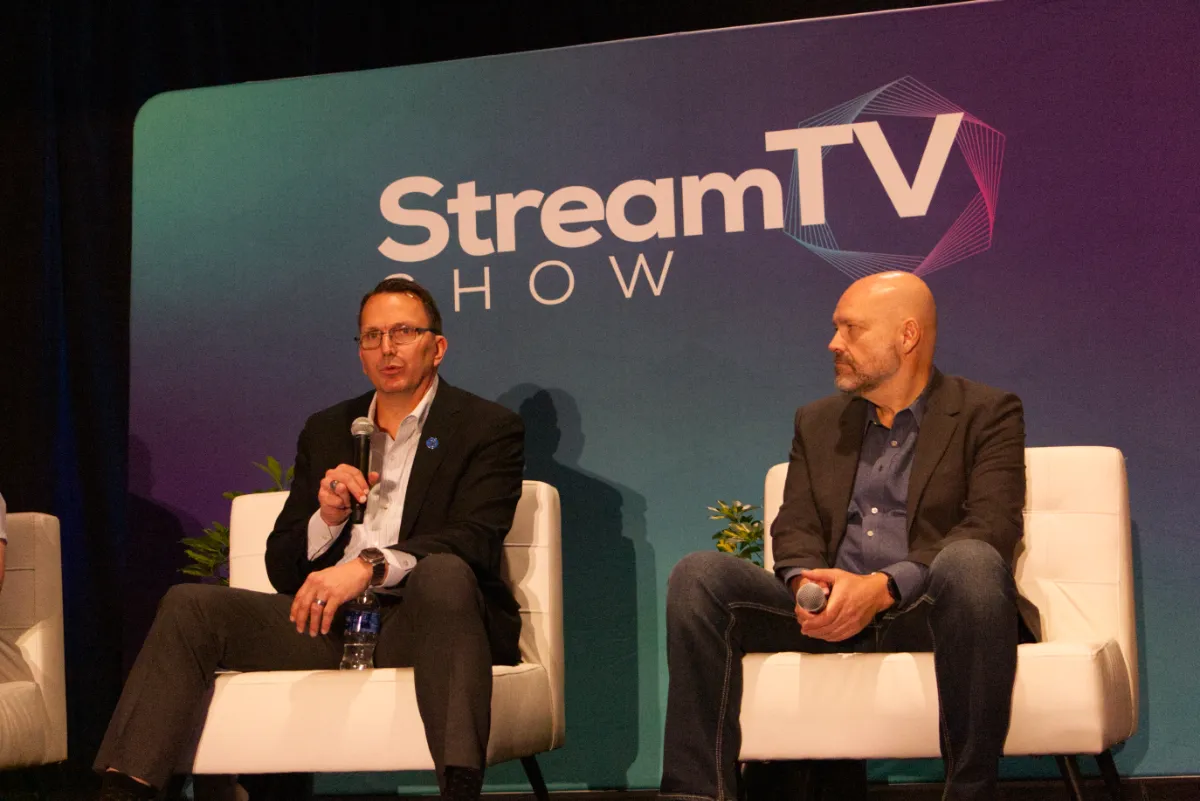
12:20 p.m. ET (10:20 a.m. local) — During a panel discussion moderated by Next TMT’s Daniel Frankel, stakeholders in the sports media industry are pontificating on the challenges for enterprise and hospitality businesses in bringing in live sports over streaming to their establishments.
Jim Hallers, the proprietor of Tailgators Pub & Grill who recently testified at a hearing on sports media before a Congress, said fans don’t typically care how a bar or restaurant gets the big game — only that it’s shown and isn’t interrupted because of buffering or an network outage.
“That’s the problem when we change to the world of streaming, because if you basically have any kind of glitches or delays, they don’t blame the NFL, they won’t blame EverPass streaming, they’ll blame the restaurant,” Hallers said. “They’ll go to the bar down the street, because they didn’t mess up the game last week. It’s a critical infrastructure for us all; it just needs to work. The bars and restaurants are the gathering place for fans to come together….it’s been working for 30 years and we just want it to keep working.”
Mike Wittrock, the Chief Operating Officer of DIRECTV, said bars, restaurants and hotels need to ensure the infrastructure to deliver multiple video feeds to dozens, if not hundreds or thousands, of screens is accessible and reliable.
“It can’t go down during the fourth quarter,” Wittrock noted. “It could have a massive financial impact for one of these businesses…it also has to have the time synchronization has to be fixed, because a lot of these use cases are showing the same game at the same time.”
Joe Hand, Jr. of Joe Hand Promotions said none of his customers are particularly happy with the news that the NFL Sunday Ticket will move off DIRECTV in favor of exclusive distribution over streaming via EverPass Media this season. (The NFL has an operational and financial stake in EverPass Media.)
“(Clients) are not excited by the Sunday Ticket being exclusively streaming,” Hand said. “They love the DIRECTV system, it’s been with them for decades, it’s reliable and the staff knows how to use it. The fact that it will only be on streaming is not really how we operate as a company.”
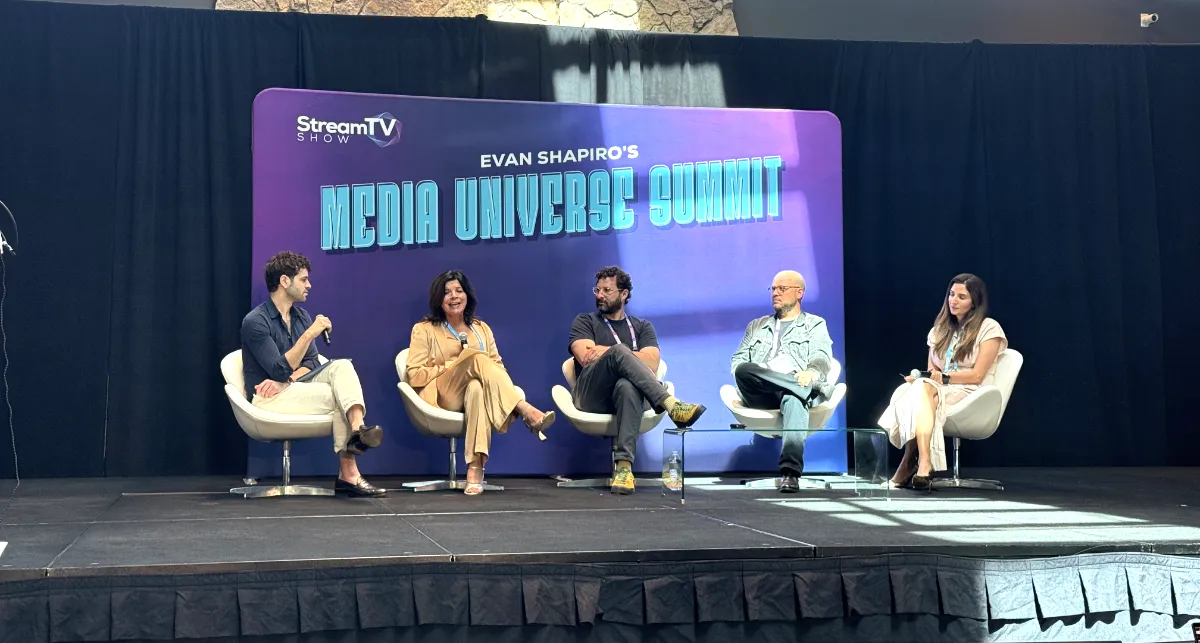
11:45 a.m. ET (9:45 a.m. local) — At the Media Universe Summit, a panel on “The New Model” for streaming and content creation wound up tackling the topic of OnlyFans’ influence on the streaming and creator economy.
Stephanie Meyer of LFP (Larry Flynt Productions) Broadcasting makes the case that adult media is typically at the forefront of tech innovation — the first to bring a product to streaming, the first to embrace 3-D, and so on — but often gets left out of the conversation when it comes to industry innovations and what’s working.
Meyer said the company is starting to make progress bringing its flavor of content to streaming services — it has a free streaming channel featuring women in bikinis engaging in “beach activities” like yoga — and has inked a deal with a streaming service, though progress for her company has been slow because of the nature of the content produced.
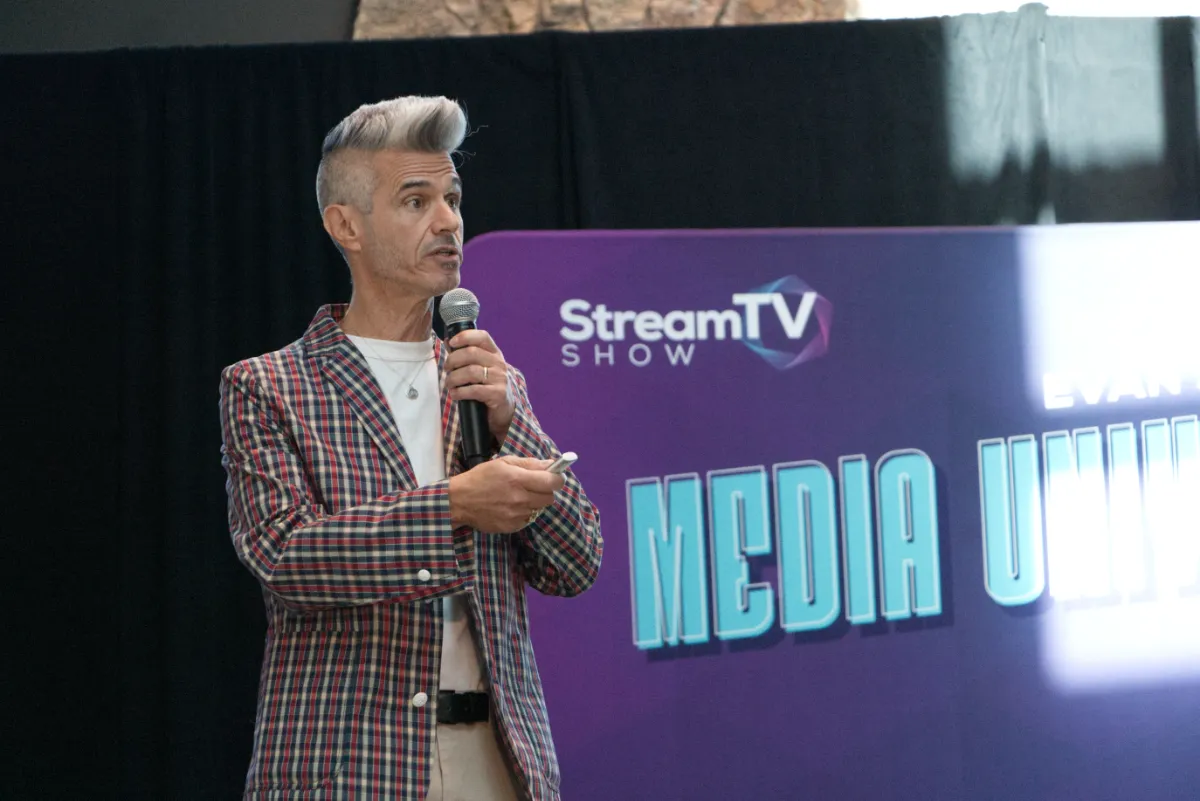
11 a.m. ET (9 a.m. local) — Evan Shapīro has started his keynote at the Media Universe Summit with a bold proclamation: Phones are TV.
“You’re with your phone more, every day, than your television set. That’s just math,” Shapīro opined. “The majority of video consumption is on a phone.”
Research noted by Shapīro found the majority of consumers are watching video outside the living room — including while in bed and in the bathroom (he admits some of his social media posts are written while on the john).
While most video consumers are watching on mobile devices, “the people who produce premium, high end content has been avoiding distributing their content on social video,” Shapīro said. “They treat it as marketing; they do not treat it as a television experience. Because they’ve been trained not to.”
“That’s fucking crazy,” he exclaimed.
When it comes to measurement, there are plenty of companies that are gauging what consumers are watching on TV, but few monitor attention across platforms and devices. Shapīro is rolling out a new metric called the Cross-Screen Attention Index, which couples original measurement with aggregated reports from sources like Comscore and Nielsen to offer a better view of how people are consuming video content across devices — including mobile screens.
—
The Desk is an editorial partner of this year’s StreamTV Show.