

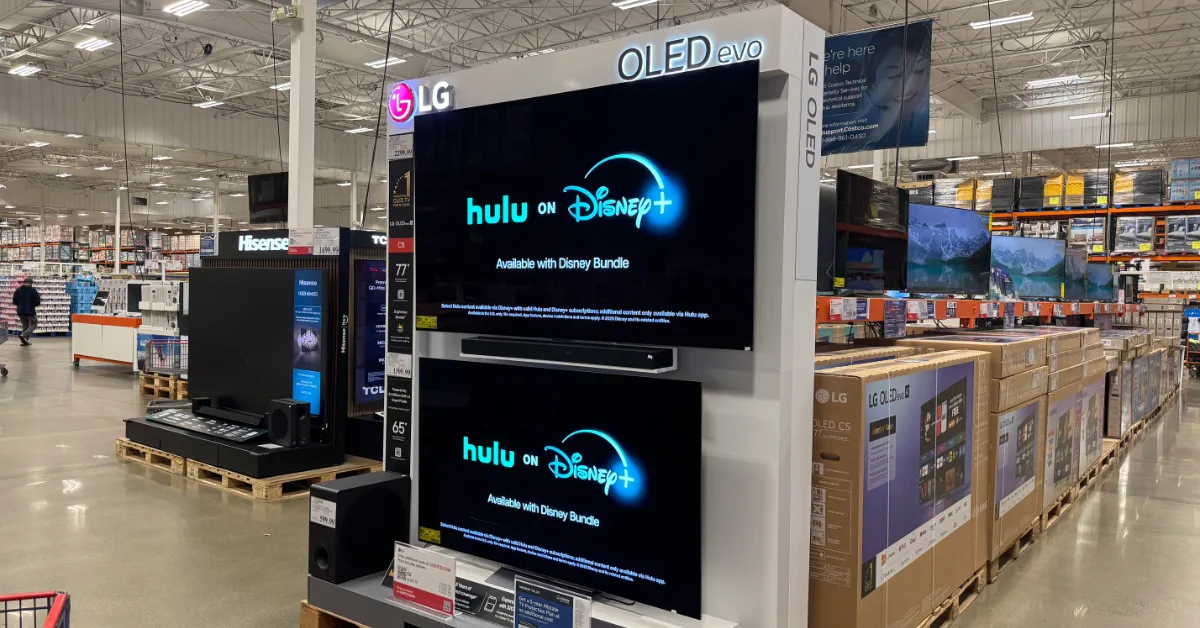
Sports fans around the world are showing higher interest in new smart television sets ahead of the FIFA World Cup men’s soccer tournament, according to new data released by Omdia this week.
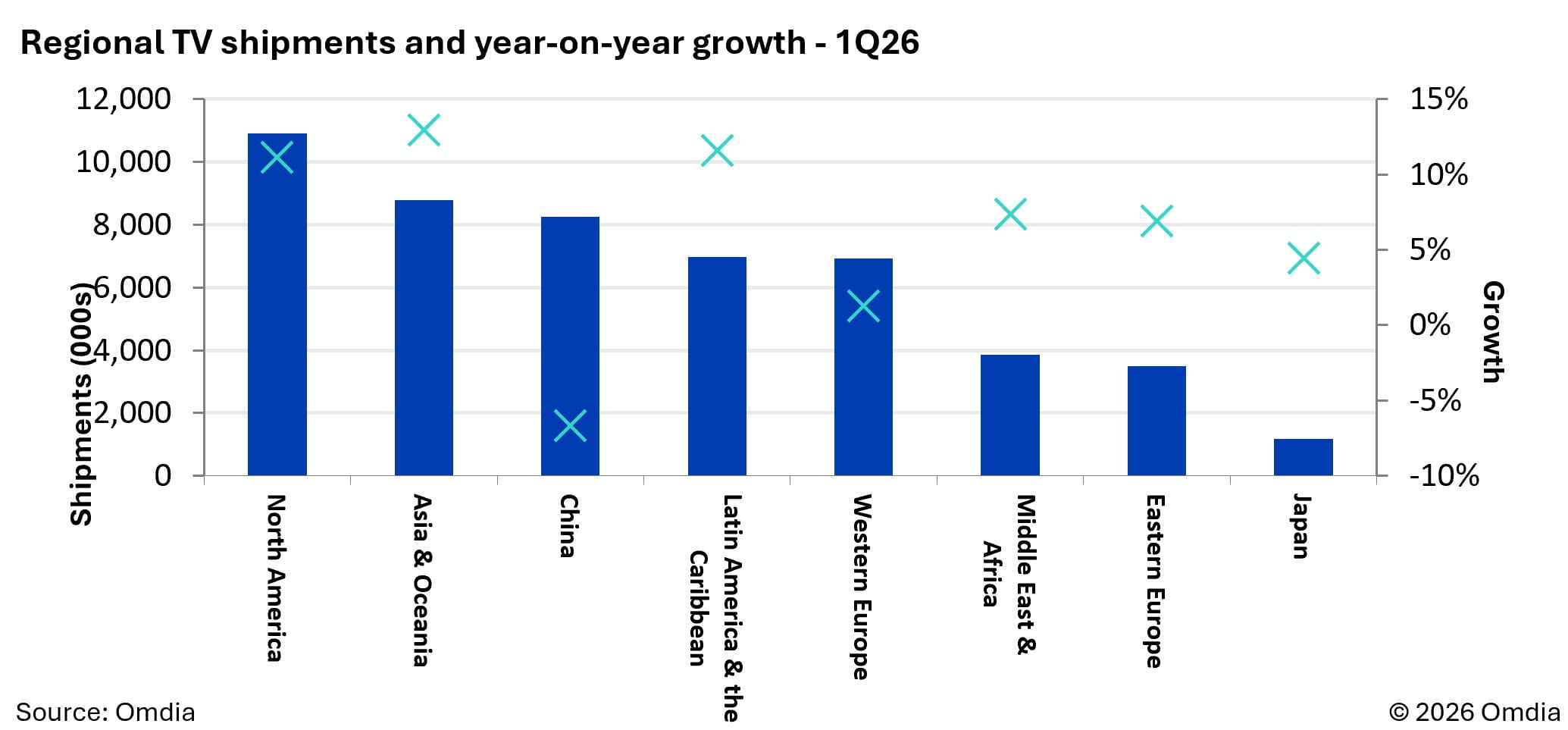
In the United States, smart TV shipments increased 11 percent during the first three months of the year as brick-and-mortar and online retailers rushed to stock shelves and warehouses with smart TVs just before the Super Bowl, the Winter Olympic Games and the upcoming World Cup tournament.
While Omdia only cited the World Cup tournament as the reason for those shipments, retailers typically increase their stock of smart TVs just before the National Football League’s (NFL) championship game in February, which tends to see some of the highest smart TV sales as people replace their sets with modern ones in time for the Big Game.
That said, the regions that saw the highest rate of smart TV shipments during Q1 compared to the prior period were Latin America and the Asia-Pacific region — areas with a high concentration of soccer fans. In Latin America, smart TV shipments increased 12 percent, while the Asia-Pacific region (represented in Omdia’s report as Asia & Oceania) saw smart TV shipments rise 13 percent.
Omdia said Chinese vendors were sending more smart TVs to Latin America and the Asia-Pacific region amid higher interest in those markets and lower domestic sales. During Q1, smart TV shipments fell more than 5 percent in China, Omdia’s report showed.
In the U.S., retailers are focused on selling budget-model smart TVs at a time of increased price sensitivity. Walmart, in particular, has increased its marketing of Onn-branded smart TVs that now run Vizio’s operating system (before, Walmart licensed Roku for Onn smart TVs) in addition to sets manufactured under the Vizio name itself.
“These factors have helped ensure that North American consumers remain largely insulated from the increased memory prices affecting a wide range of consumer electronics goods,” Omdia said. “Globally, TV prices have also remained surprisingly stable, despite headline-grabbing increases in memory price.”
For smart TV makers, keeping prices low is critical to another component of their business: Advertising. Roku’s platform business, which includes ads and subscription sales, already accounts for the biggest source of revenue, drawing in $1.1 billion during Q1, or ten times more than its hardware sales income. Google, Amazon, Samsung, LG and Vizio also have robust connected TV advertising businesses, and all five companies have budget-priced smart TV models.
Omdia’s report is available to view by clicking or tapping here.