
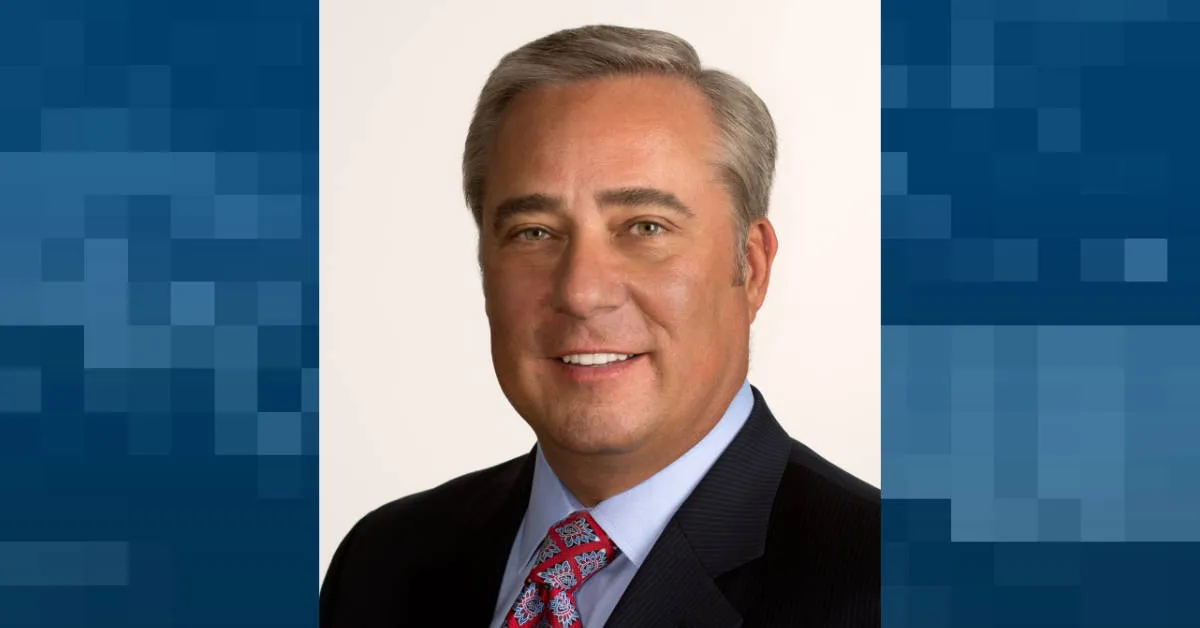
Nexstar Media Group CEO Perry Sook says he is confident that his $6 billion deal to acquire peer broadcaster TEGNA will be met with approval from regulators in Washington, despite current federal rules that place restrictions on the amount of TV stations a single company may own.
On a conference call with investors on Tuesday, shortly after the Nexstar-TEGNA merger was announced, Sook said he believes the current federal administration will be responsive to lobbying efforts from within the industry to significantly modify ownership rules that pave the way for mass media consolidation, like the one his company announced this week.
“We feel very, very positive about moving forward with the regulatory approval process,” Sook said.
Sook pointed to recent developments at the FCC and in federal court that are likely to weaken one of the biggest hurdles for the transaction: A long-standing rule that prevents broadcast companies from holding direct ownership of licensed TV stations that reach more than 39 percent of the American viewing audience.
Last month, a federal court said the FCC’s decision to expand its ownership rule to place restrictions on certain market duopolies — the practice of owning two stations in a city or region — was illegal because it violated the spirit of Congressional intent. The FCC expanded the prohibition to include a ban on owning two of the top-four Nielsen rated stations in a market, which the judge determined had exceeded the agency’s authority under present-day law.
Under FCC Chairman Brendan Carr, the regulator has also expressed a willingness to refresh the rule that limits the reach of broadcasters through their direct ownership of TV stations. Nexstar currently reaches more than 80 percent of the population through its direct ownership of stations when coupled with so-called “sidecar” business deals that involve companies existing mainly on paper, including Mission Broadcasting and White Knight Broadcasting.
“We expect that all of those processes will move forward during the pendency of the transaction, so we feel very confident, as I said earlier, we’re meeting this regulator moment where it is and we will work together with regulators as they consider modifying and repealing outdated rules and regulations,” he said.
The proposed merger comes amid rising complaints from broadcasters that restrictions placed by the FCC and allowed by Congress are too onerous in the era of streaming and digital media. They typically complain that “Big Tech” firms like Google, Amazon and Netflix are allowed to scale their digital operations and seize advertising dollars with few restrictions (though at least one of the companies has faced two unfavorable antitrust lawsuits on that precise matter).
By comparison, broadcasters — who are not legally prevented from launching their own digital platforms or streaming services — complain that the ownership rules stifle competition on their end.
Sook positioned broadcasters as a better value to streaming because of their investments in local TV journalism, which he promised will only get stronger if the Nexstar and TEGNA deal is approved.
“We think we are the last bastion of local journalism,” Sook said. “We don’t think anyone wants their news delivered by a chatbot.”
Last year, Nexstar laid off around 200 employees in its broadcast TV and sales division, including journalists at some of its local TV stations. A spokesperson said the layoffs were intended to help the company “focus on areas of growth for our viewers, partners, and customers.”
Two months later, The Desk reported TEGNA had laid off workers in its local newsrooms associated with its fact-checking unit “Verify” as part of a broader editorial restructuring; a smaller Verify team remains in place and produces content that is used by TEGNA’s local TV outlets.
“Over the last several years, we’ve learned that the most impactful Verify work we’re doing is at our local stations,” a spokesperson for TEGNA said in a statement emailed to The Desk. “We’re going to continue that work. Our top priority is to deliver trustworthy, accurate information to local audiences.”
—
Read more:
- Nexstar confirms plan to acquire TEGNA for $6.2 billion
- Nexstar sees revenue dip 3 percent in Q2, soft ad market blamed
- TEGNA revenue slips to $675 million during Q2
- TEGNA lays off national fact-checking team Verify
- NAB renews call for FCC to eliminate broadcast ownership cap
- FCC seeks public comment on TV, radio ownership reform
