

Key Points

- FCC Commissioner Gomez criticized the number of Open Meeting agenda items discussed while the government remains shut down.
- More than 1,000 FCC employees, including members of Gomez’s staff, are among those furloughed.
- Some of the items discussed include matters related to broadband nutrition labels and NextGen TV.
The lone Democratic commissioner at the Federal Communications Commission (FCC) has criticized the agency’s decision to vote on nearly a dozen points of business during its most recent Open Meeting, saying the prolonged government shutdown left the FCC without enough staff to adequately prepare for a vote on those matters.
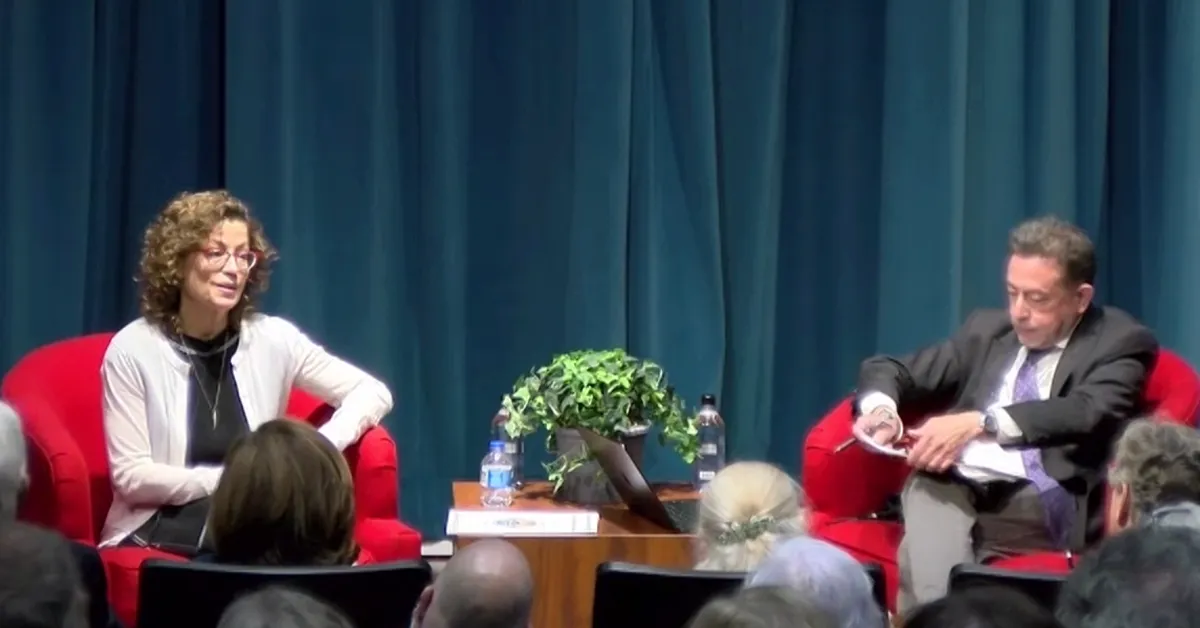
During a press conference with reporters that followed the Open Meeting on Tuesday, FCC Commissioner Anna Gomez said the number of items listed on the agenda — nine in total — was “the most items I have voted on in a single meeting since I became a Commissioner.”
Gomez criticized FCC Chairman Brendan Carr’s decision to move forward with non-essential items of business at a time when nearly 1,000 of the agency’s employees are furloughed, the end result of a failure by Congress to pass a new federal funding bill before the end of September.
n September, the FCC said it would only retain around 250 workers in the event of a government shutdown, with those employees tasked to various operations that are connected to life-saving missions and public safety matters.
Most of Gomez’s office staff are among those affected by the furloughs.
“You’d imagine that the work the agency does would slow down while the government is clos, butut the opposite happened for this meeting,” Gomez said. “Instead of focusing on only absolutely necessary items, the FCC voted on a whopping nine items today.”
Those items include refreshing regulations connected to broadband “nutrition labels” that educate consumers on certain features of their wireless and land-based Internet plans, including approximate download speeds and the amount subscribers are likely to pay in taxes and fees. Broadband companies criticized the labels as being too onerous to implement, though all of them have done so.
The FCC also voted to issue a Notice of Proposed Rulemaking (NPRM) that eliminates some rules affecting broadcasters who transmit digital signals using the NextGen TV standard. Among other things, the NPRM would allow broadcasters to establish their own timelines for winding down their digital signals in favor of full-time NextGen TV transmission, among other things. The National Association of Broadcasters (NAB) and some of its members intensified their lobbying on the matter after Carr was selected by President Donald Trump to serve as the FCC’s chairman.
The nine agenda items were disclosed by Carr in a blog entry on the FCC’s website in early October, and more-fully developed in a draft agenda published one day later. Gomez said her background working on telecom-related policy matters helped her power through most of the items — she voted yes on the NextGen TV matter, and no on the broadband nutrition labels issue — but said the government shutdown confused key stakeholders who didn’t know whether the FCC was taking prior meetings on the topics or accepting comments, as is customary during a period of normal operation.
“They didn’t know who to reach out to because they knew staff was furloughed,” Gomez said. “I was even asked if the meeting was still taking place and still open to the public, a logical question, since the government at large is closed.”
Gomez characterized the overall meeting agenda as “anti-consumer” and implied Carr deliberately scheduled the matters for the October meeting because the government was shut down, not in spite of it.
“This was set up to be the most anti-consumer agenda ever put forth during my time as a commissioner, and that was really troubling,” she complained. “Cloaked by a government shutdown, the FCC was set to propose a slew of anti-consumer measures in the name of deleting regulations.”
In a separate press conference, Carr said most of the agenda items had been in the works for several months, when the government was fully funded and operational.
“The nine (items) were obviously largely baked fully before the shutdown hit,” Carr said, affirming that the agency had a “skeleton crew” to handle any meetings that stakeholders wanted.
On the NextGen TV issue, the FCC has been working with several industry stakeholders on the matter since the start of the year, sources confirmed to The Desk. Their efforts were predicated largely on the issuance of an NPRM during the second half of 2025, likely in the late summer or early fall months, they said.
Anne Schelle, the Managing Director of Pearl TV, also affirmed the timeline before moderating a panel on NextGen TV at the Television of Tomorrow Show (TVOT) in June.
“This is happening — this is real. Look for an NPRM in August or September,” Schelle told an audience of around 50 media, advertising and technology executives.
