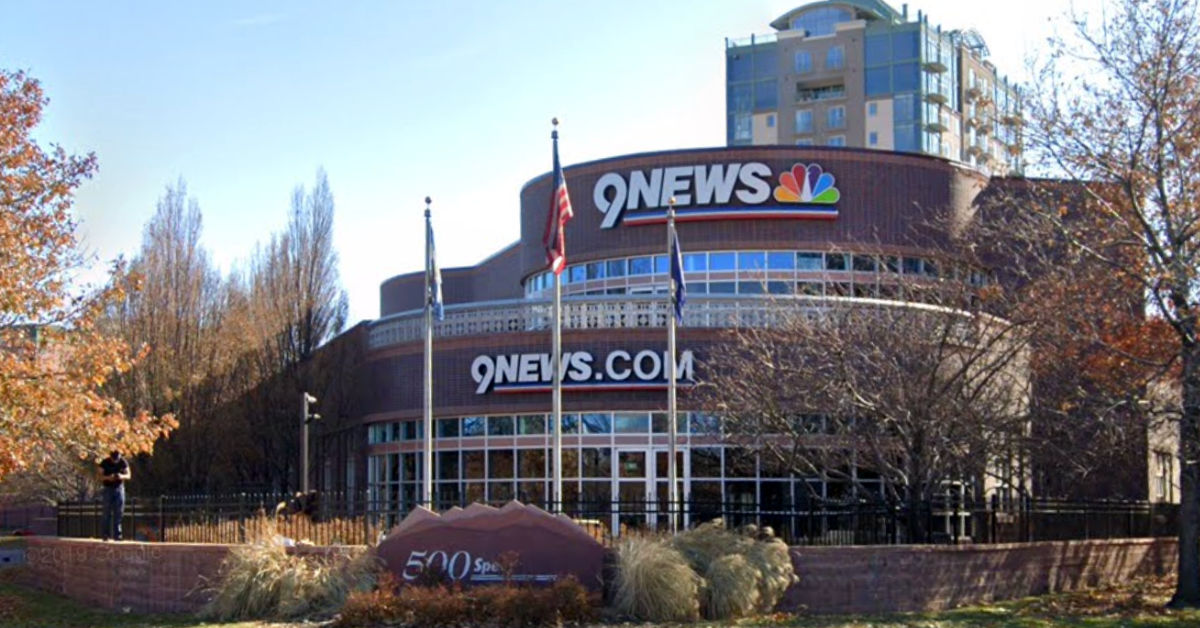
Nexstar Media Group will acquire rival broadcaster TEGNA in a cash deal valued at $6.2 billion, the companies announced Monday.
Under terms of the agreement, Nexstar will pay $22 per share for all outstanding TEGNA stock, a price that reflects a 31 percent premium over TEGNA’s 30-day average stock price ending August 8, 2025. The transaction value includes TEGNA’s net debt and estimated expenses.
The deal, which has been unanimously approved by TEGNA’s board of directors, is expected to close in the second half of 2026 pending regulatory and shareholder approvals. Financing is being provided by Bank of America (BofA) Securities, JPMorgan Chase and Goldman Sachs.
The Wall Street Journal first reported Nexstar’s interest in acquiring TEGNA earlier this month.
Once completed, the combined company will own 265 full-power television stations in 44 states and the District of Columbia, reaching 80 percent of U.S. television households. Nexstar and TEGNA together will have stations in nine of the top 10 markets, 41 of the top 50 and 82 of the top 100. Nexstar’s existing footprint overlaps with TEGNA in 35 of its 51 markets, a factor both companies said would enhance operational synergies.
Nexstar Chairman and Chief Executive Officer Perry A. Sook said the acquisition comes as broadcasters prepare for regulatory changes that could reshape the industry.
“The initiatives being pursued by the Trump administration offer local broadcasters the opportunity to expand reach, level the playing field, and compete more effectively with the Big Tech and legacy Big Media companies that have unchecked reach and vast financial resources,” Sook said. “We believe TEGNA represents the best option for Nexstar to act on this opportunity.”
Related: Read the e-mails sent to employees by Nexstar and TEGNA’s CEOs
Sook added that TEGNA’s portfolio of stations in large markets including Atlanta, Phoenix, Seattle and Minneapolis will strengthen Nexstar’s local presence and advertising prospects. He also pointed to Nexstar’s track record of integration, including its 2019 acquisition of Tribune Media.
“The playbook we followed to make those transactions successful – improving and increasing local content, executing on identified synergies, and quickly deleveraging our balance sheet with free cash flow post close – are the same opportunities and strategies we will use in connection with this transaction,” Sook said.
TEGNA Chairman Howard Elias said the board considered the deal a strong outcome for shareholders.
“This transaction, which will provide premium near-term value to TEGNA shareholders, comes at a time of rapid change in our industry and reflects the fact that policymakers of all perspectives are calling for regulations governing our industry to be modernized,” Elias said. “This transaction with Nexstar will further solidify the critical role our stations serve in our communities, preserve their trust, and be better able to compete in today’s highly fragmented media environment.”
TEGNA Chief Executive Officer Mike Steib echoed the sentiment, calling Nexstar a “partner” that would help expand local coverage across platforms.
“We are thrilled to have found a partner in Nexstar that will enable TEGNA’s stations to continue doing what we do best: creating outstanding and impactful local content coupled with the delivery of indispensable digital products to the communities we serve around the country,” Steib said. “Together, we will expand news coverage to serve more communities, across more screens, and ultimately secure the future of local news for generations to come.”
On a combined basis, Nexstar and TEGNA generated $8.1 billion in net revenue and $2.56 billion in adjusted EBITDA for the 12 months ending June 30, 2025. Nexstar expects annual net synergies of around $300 million from revenue opportunities and cost reductions.
The company projects the deal will be more than 40 percent accretive to adjusted free cash flow in the first year after closing. Nexstar’s net leverage ratio is expected to increase to around 4x at closing, with a plan to reduce leverage to current levels by 2028.
Consistent with its past acquisitions, Nexstar said it will initially allocate excess free cash flow toward debt repayment.
If approved, the transaction would mark Nexstar’s largest acquisition since Tribune Media and further cement its position as the largest owner of local television stations in the country.
Uncertain regulatory hurdles, some opponents
Under current federal law, the deal faces significant regulatory roadblocks: The Federal Communications Commissions prohibits TV stations from having direct ownership of outlets that reach more than 40 percent of the American audience.
Nexstar is one of several broadcasters that has pushed the Trump administration for this to change, with the broadcaster encouraging its management and viewers to lobby the FCC to “delete” the ownership restriction as part of a broader restructuring of its rules.
The FCC has not formally taken up the matter, but its chairman, Brendan Carr, has signaled a willingness to ease some burdens afflicted on the local broadcast industry and has previously spoken out against outdated ownership rules that he believes are stifling to the industry in an era of “Big Tech.”
Cable and satellite TV industry groups are also speaking out, worried that a merger between two large broadcast TV station groups could further the trend of programming-related blackouts during carriage negotiations, which occur about every three to five years. Nexstar and TEGNA have engaged these tactics in recent years.
“We know exactly what will happen because of a major broadcaster consolidation — more blackouts and increased monthly bills,” Grant Spellmeyer, the President and CEO of ACA Connects, a trade group that represents small and rural-area telecoms, said in a statement on Tuesday. “Large broadcasters like Nexstar and Sinclair already impose exorbitant retransmission consent fees, which have skyrocketed 2,000 percent since 2011. Now they are seeking a mega-footprint and even more leverage to reach deeper into people’s pocketbooks. The government should reject any unlawful combination that would be a raw deal for consumers.”