
Key Points

- Two lawmakers have called on the FCC to block a proposed merger between Nexstar and TEGNA.
- The lawmakers, from Colorado, contend the deal would harm local journalism in their state.
- The deal also violates existing FCC rules concerning media ownership, the pair argue.
A pair of lawmakers from Colorado have written a letter to Federal Communications Commission (FCC) Chairman Brendan Carr, voicing their opposition to a proposed merger between Nexstar Media Group and TEGNA that the duo claims would damage the institution of local journalism in their state.
The lawmakers, Senator Michael Bennet and Representative Joe Neguse, urged regulators to reject the transaction, citing “significant concern” over its potential impact on competition and community coverage in their home state.
“If approved, this deal would violate the national broadcast ownership cap and could have devastating consequences for our home state of Colorado,” the lawmakers wrote. “That is why we implore your agency to reject this deal that will ultimately put corporate profit above the needs of our communities.”
Nexstar, the largest independent owner of broadcast TV station sin the country, announced its plan to acquire TEGNA in
Nexstar, already the nation’s largest local television owner, announced the merger valued at $6 billion in August. Nexstar CEO Perry Sook called it a “moment I’ve been waiting for since forming Nexstar more than 30 years ago,” framing it as a deal that would help spur the company’s accelerated growth strategy.
TEGNA owns around 60 local TV stations across more than 50 metropolitan markets. Absent regulatory reform, the deal would violate the FCC’s standing rule that a broadcaster cannot own a collection of TV stations that reaches more than 39 percent of the American viewing audience. Nexstar has been a vocal opponent of the rule, and has lobbied the FCC over the past few months to eliminate it.
The lawmakers said the merger would push Nexstar’s direct ownership of TV stations to more than 80 percent of the TV viewing audience. They described the merger as a “clear violation of the national broadcast ownership cap, and therefore the law.”
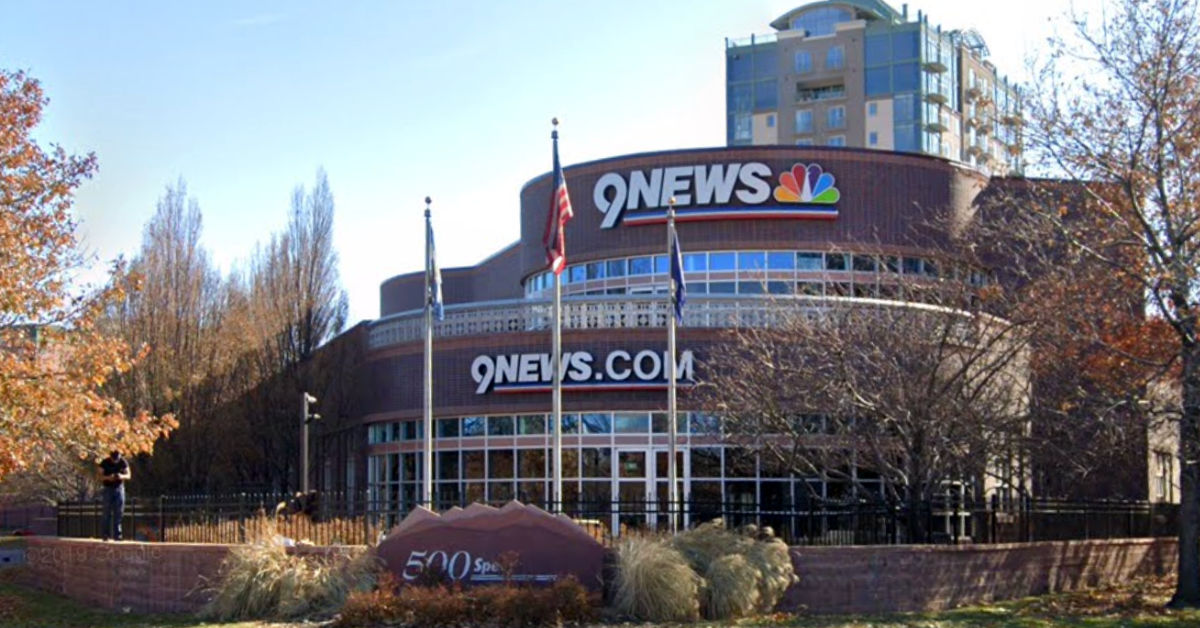
Nexstar’s presence in Colorado is extensive: The company owns TV stations in Colorado Springs, Grand Junction and Denver. TEGNA owns KUSA (Channel 9), the Denver-based NBC affiliate that is one of the highest-rated local news producers, and also owns KTVD (Channel 20) in the same market.
“We have seen this play out in Colorado in the past,” they wrote, referencing a merger between KDVR (Channel 31, Fox) and KWGN (Channel 2) in Denver. In 2008, KDVR owner Tribune Media entered into a local marketing agreement with Local TV, the owner of KWGN, that effectively consolidated the newsrooms of both stations into a single operation. The lawmakers contend the merger led to lower independent news output at both stations. (Local TV was acquired by Tribune Media in 2013; six years later, Nexstar bought Tribune.)
Their letter also points to other markets, including Indianapolis, New Orleans and Tampa-St. Petersburg, where they say the merger could trigger “anticompetitive consolidation” and reduce access to diverse viewpoints.
“Approving this merger is not in the public interest, nor is it within the authority of the FCC,” the lawmakers concluded. “Congress made it clear that only Congress, not the FCC, has the authority to unilaterally lift or eliminate the national broadcast ownership cap.”
The FCC has not indicated when it will rule on the proposed transaction, which still faces review under the Commission’s media ownership and public interest standards. Nexstar has not publicly responded to the Colorado lawmakers’ objections.