

The number of AM and FM radio stations whose signals were affected by the aftermath of Hurricane Helene fell for the first time in the week since the storm made landfall, according to data released by the Federal Communications Commission (FCC) on Wednesday.
In Georgia, the number of FM radio stations reported as offline dropped to 19 from its peak of 20, while the number of AM radio stations knocked off the air remained steady at four, according to the FCC.
In Florida, three FM radio stations and one AM radio station were reported to be offline, a total increase of two stations — one on each band — compared to one day earlier.

Across the six states that comprise the storm’s disaster area, a total of 32 FM radio stations and six AM radio stations remain out of service, the FCC data showed.
Long considered to be a resilient and effective form of communication during natural disasters, Hurricane Helene proved that AM and FM radio broadcasters are just as susceptible to the effects of severe weather as other forms of mass communication.
Most of the outages afflicting AM and FM radio stations were the result of prolonged power disruptions after the storm damaged critical infrastructure. Federal regulators do not require radio stations to have backup sources of power as a condition of their broadcast license.
Television stations fared slightly better during the storm: As of Wednesday morning, there were four TV stations offline in Georgia and another two that were out of service in North Carolina, according to the FCC’s tally.
Broadcast TV outlets offered rolling news coverage as the Category 4 storm made landfall in Florida’s “Big Bend” region last Thursday evening, then continued to track the storm as it triggered flooding in Georgia, the Carolinas, Tennessee and Virginia. Many TV stations opted to distribute their news coverage through social media, where live feeds were available on YouTube and Facebook, and some allowed the AM and FM radio stations not affected by outages to simulcast their coverage in order to reach more residents.
The coverage offered from over-the-air TV stations proved to be a massive lifeline in disaster-stricken areas of the south: The storm caused a significant disruption in wireless cell phone service, as well as land-based broadband Internet and cable TV services. More than 654,000 residents across the six states are still without broadband Internet or cable TV, the FCC data showed, though the number was down from its peak of 1.3 million customers who were without service, and the situation continues to improve by the hour.
Around 13 percent of the wireless towers are still suffering from service-related disruptions in the six states covered by the disaster, according to FCC data. The figure is an improvement from the 36.7 percent of cell phone towers experiencing service related disruptions reported one day prior. As with AM and FM radio stations, the situation involving cell phone tower disruptions is largely attributed to power outages.
On Wednesday, the death toll attributed to Hurricane Helene surpassed 190. The number of people killed and injured from the storm is expected to increase as emergency responders gain access to more communities afflicted by the hurricane that are currently blocked due to flood water and storm damage.
Hurricane Helen is now the second-most deadly storm of its kind in the last five decades, topped only by Hurricane Katrina, which was blamed for more than 1,390 deaths in 2005.
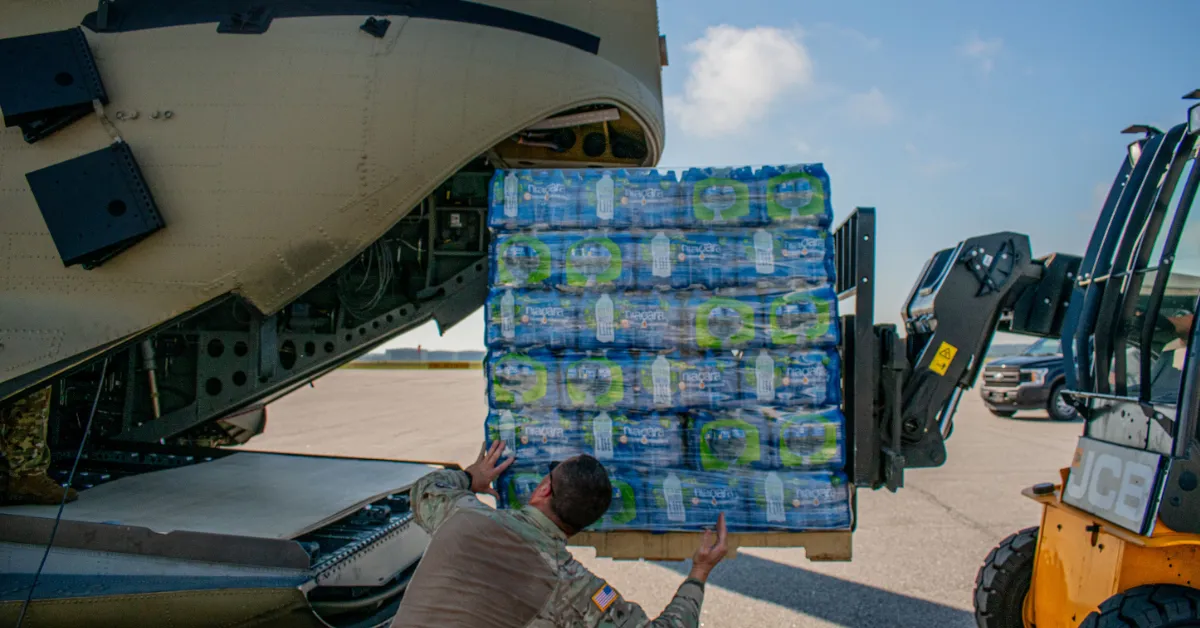
During a tour of disaster-stricken areas on Wednesday, President Joe Biden said he was deploying up to 1,000 active duty soldiers to help with relief, including the delivery of food, water and supplies. Biden is scheduled to continue his tour over the next few days, with stops expected in Florida and Georgia.