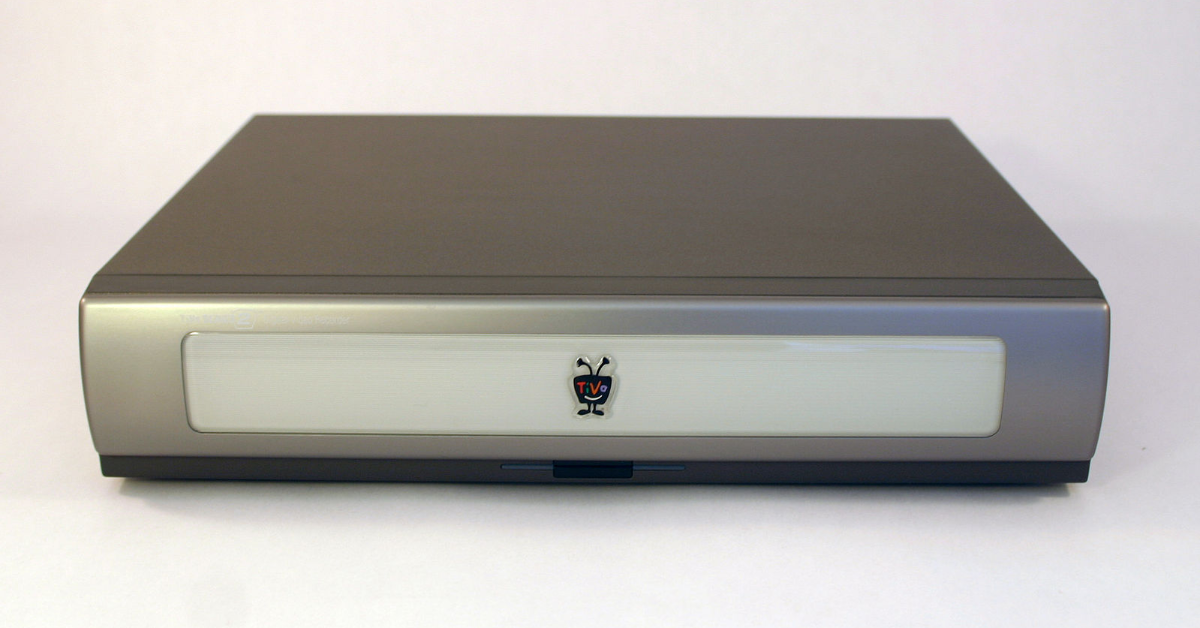
A decision by some cable companies to stop supporting the CableCARD technology has impacted celebrities who are fans of the TiVo service — and no celebrity has made a bigger stink about the situation than the most-famous radio personality in the world.
During his show on Wednesday, SiriusXM’s Howard Stern complained that the cable TV provider serving his home area had dropped their support for TiVo, a move he felt could effectively end the company.
Stern didn’t name the company, but one of the service providers in the greater New York City area is Optimum, which formerly offered cable TV and Internet products under the Cablevision brand. In October, Optimum’s parent company Altice USA said it would stop supporting CableCARD technology.

Related: Listen to Stern’s show with a SiriusXM trial plan — $1 for 3 months
The decision to move away from CableCARD came several years after the Federal Communications Commission (FCC) ended a requirement that forced cable TV providers to offer the cards as an alternative to their digital video recorders (DVR). At the time, the thinking was that CableCARDs would spur a high amount of interest in third party set-top boxes that would generate competition against DVRs leased by the cable companies themselves, which would lead to lower rental prices for that equipment.
The strategy didn’t quite pan out that way, with TiVo being one of the few companies to build set-top boxes that utilized CableCARD technology. With the CableCARD mandate no longer in place and streaming cable-like services on the rise, it was only a matter of time before cable companies started dropping their support for the technology.
Altice USA was the first large cable TV provider to announce their intention to move away from CableCARD, telling customers that the cards would stop working in October. The company said cable TV and Internet customers could swap their CableCARDs for an Optimum Stream device, which runs on Android TV and includes access to popular streaming services like Netflix, Amazon’s Prime Video and Disney Plus.
In a statement emailed to The Desk after this story was initially published, a spokesperson for Optimum noted that the CableCARD issue wasn’t solely a company decision to stop supporting the technology — it was due to a choice made by Scientific Atlanta years ago that effectively put a hard deadline on the lifespan of the device.

As described, the CableCARDs used by Optimum and others employed Scientific Atlanta’s conditional accessing technology called PowerKEY, which utilized a combination of internal hardware and software to decrypt video signals. Part of the encryption system relied on a microprocessor that kept track of time; the timing system was set to zero out, or “roll over,” in November 2024, which didn’t prevent the CableCARDs from working, but did cause memory limitations that prevented the PowerKEY technology from decoding video signals.
Cable companies, including Optimum, relied on CableCARDs to digitally unscramble encrypted channels, ensuring their cable TV customers only got the channels they paid for. The PowerKEY issue limited their ability to do this; to make matters worse, Scientific Atlanta no longer exists — most of the company was sold to Cisco, while its cable set-top box and related equipment business was acquired by Technicolor SA — and no one today is manufacturing CableCARDs that are capable of decoding encrypted channels the way Optimum and others deliver them.
That issue means Optimum customers — like Stern — who use CableCARDs to power their TiVos can no longer watch cable channels through the device, though depending on which model they have, it will still work with an antenna. The shift marks the end of a love affair between Stern and TiVo that dates back more than two decades, when the company began targeting celebrities and offering them free boxes and services as a marketing tactic.
“We had a team that would fly out to celebrities’ homes and install the unit for free,” said Stephen Mack, the director of operations at TiVo. “The first one that paid off was Howard Stern. One of Howard’s team members asked, ‘Hey, did you try that TiVo thing?’ and Howard started gushing about the product and I watched that afternoon as the orders began going up, up, up and our website crashed due to the volume of people ordering.”
It wasn’t just Stern who fell in love with TiVo: Other celebrities like “Weird Al” Yankovich, Snoop Dogg, Usher and Toni Braxton also mentioned TiVo over the years, helping the brand earn pop culture status in the early 2000s.
While Stern lamented that the end of CableCARD support could spell the end of TiVo itself, the brand — now owned by Xperi — has been moving away from its DVR business for some time. Today, Xperi leverages TiVo’s recommendation engine and related software for other parts of its business, including the TiVo Stream 4K device, the TiVo operating system and various in-home and in-car technology. (This week, Xperi said there were more than one million active TiVo-powered smart TVs in the world, and it has plans to start selling those TVs in the United States by the end of the year.)
For Stern, he has already selected an alternative: YouTube TV, the cable-like service that offers broadcast and cable channels for $73 per month. Other members of Stern’s staff affirmed their support for YouTube TV, including long-time show producer Gary Dell’Abate, who said he encountered a learning curve with the service but found it to be “worth it” once he got the hang of things.
—
Editor’s note: This story was updated Friday afternoon to include more background on the technical issue impacting current CableCARD technology, some of which was provided by an Optimum spokesperson. Additional research was conducted independently.