
Key Points

- Nexstar will hold “interactive” meetings with the DOJ early next year as regulators review its proposed $6.2 billion merger with TEGNA.
- CEO Perry Sook downplayed Trump’s merger comments and said Nexstar still expects White House support for the transaction.
- Nexstar is pursuing direct ownership of Tegna stations while lobbying for relaxed FCC ownership limits amid heightened regulatory scrutiny.
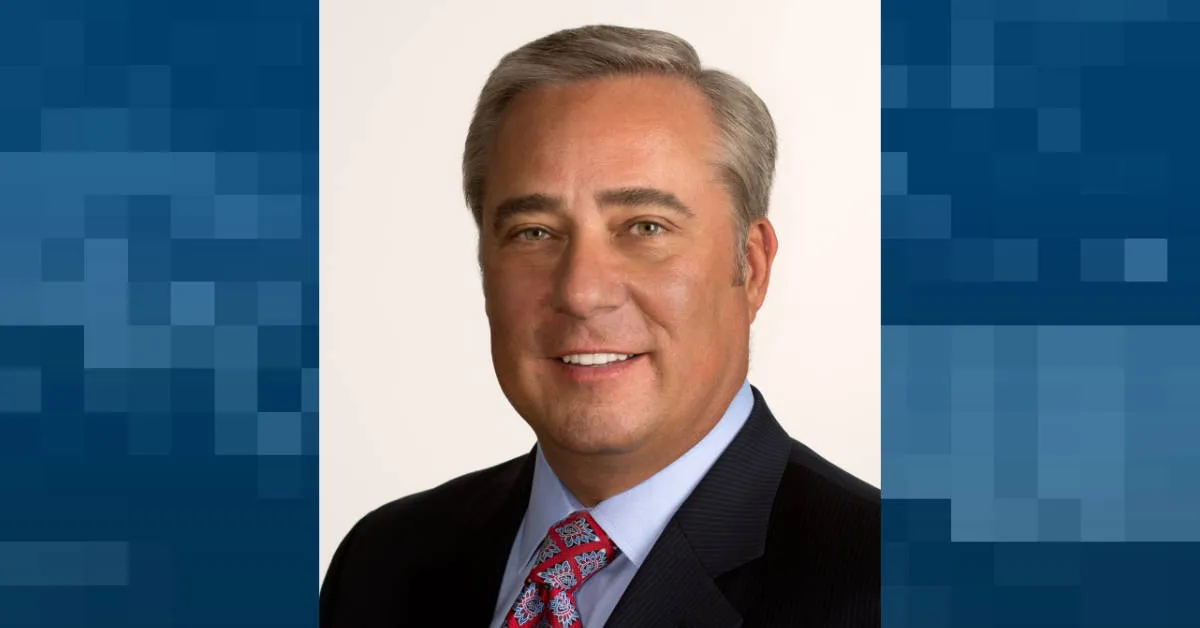
Nexstar Media Group has engaged with the U.S. Department of Justice on its proposed $6.2 billion merger with TEGNA and is planning to hold several “interactive” meetings with the agency early next year, the company’s founder and CEO Perry Sook said on Monday.
Speaking at an investor conference in New York City, Sook downplayed a recent comment made by President Donald Trump that implied he was against mega-mergers between media companies — his comments largely focused on broadcast networks, not local television stations — and said Trump was entitled to his opinion, however they might affect Nexstar’s business.
“He’s going to weigh in because he is very attuned to the media, and he was going to make sure that his opinion is known, not only in Washington but by the counterparties involved in the transaction,” Sook said during a panel discussion at the UBS Global Media and Communications Conference.
“I certainly respect that,” he affirmed.
Stock Price

Nexstar proposed its $6.2 billion merger with TEGNA earlier this year, a transaction that, if approved, allows the largest independent owner of local broadcast TV stations to amass another 60 for its portfolio.
Currently, Nexstar owns or operates local TV stations that reach more than 80 percent of the American viewing audience, based on the company’s own investor materials. Federal rules prohibit broadcasters from reaching more than 39 percent of the American viewing audience through direct ownership of local TV stations; Nexstar and others circumvent that restriction by bankrolling companies like Mission Broadcasting and White Knight Broadcasting, who hold the TV licenses on paper while allowing Nexstar to operate and financially benefit from their stations.
In the instance involving TEGNA, Nexstar is seeking direct ownership of those stations, rather than using shell companies as it has in the past. Since the start of the year, Nexstar has lobbied intensely for the Federal Communications Commission (FCC) to raise or eliminate its broadcast ownership cap and ease other federal rules in a way that will benefit its business, even going so far as to encourage viewers of its local TV stations to lobby Washington on their behalf.
In October, Nexstar’s board of directors renewed Sook’s employment contract through the end of the decade, largely predicated on his interest in executing deals with TEGNA and other companies.
But there are few guarantees that Sook’s ambitious deal to acquire TEGNA will go smoothly. Rather than wait for the FCC to eliminate its ownership rules — something that it may not have legal authority to do — Sook executed his plan B last month, asking the FCC to grant supplemental waivers in each market where TEGNA owns a local station. An approval of Nexstar’s blanket request would be unprecedented.
Sook and Nexstar may also face intense regulatory scrutiny from the DOJ, which has challenged similarly-sized mergers between telecommunications providers and large entertainment companies in the past.
On Monday, Sook said he and other Nexstar executives inteld to hold discussions with their counterparts at the DOJ, which he described as “interactive” meetings where “they’ll be asking questions, and we’ll be asking questions.” He didn’t say what questions Nexstar intends to ask, or what answers his company is prepared to give.
One thing is clear: Nexstar and Sook believe Trump will ultimately support the transaction, despite any comments that suggest otherwise.
“We wouldn’t be contemplating this transaction if he weren’t in the White House,” Sook acknowledged.