


Key Points

- More than 90 lawmakers urged the FCC to set a clear timeline for transitioning to the NextGen TV broadcast standard.
- The group said uncertainty is slowing adoption despite NextGen TV reaching over 75 percent of U.S. households.
- Lawmakers argue a firm mandate would drive device availability and accelerate the shift to the new standard.
A group of more than 90 federal lawmakers on Friday sent a letter to the Federal Communications Commission (FCC) urging the agency to help broadcasters make a full and complete move to the NextGen TV broadcast standard.
The letter — signed by 52 Republican lawmakers and 38 Democrats from dozens of states — said NextGen TV signals currently reach more than 75 percent of the American population, but consumer adoption of the technology has been limited mainly because manufacturers and broadcasters alike face uncertainty over how the transition from the current digital broadcast standard to NextGen TV will play out.
Under federal law, devices sold as “TVs” in the United States must integrate a tuner capable of receiving digital signals under the current broadcast standard, known as ATSC 1.0. Manufacturers can integrate tuners that are also compatible with NextGen TV, but doing so is voluntary, and most companies have elected to install them in higher-end models.

NextGen TV isn’t compatible with the current digital standard, though most smart TVs and converter boxes with NextGen TV tuners also have ATSC 1.0 tuners in them.
In their letter, the lawmakers accept that “consumer demand for NextGen [TV] remains limited,” which has created a situation where manufacturers are less-incentivized to install the technology in their smart TVs and other devices.
For the past two years, proponents of NextGen TV have lobbied the FCC for a firm shutoff that would transition all broadcast TV stations from ATSC 1.0 to NextGen TV by 2030, with larger cities making the switch by 2028. They contend that the switch is necessary so broadcasters can unlock the full potential of their spectrum, including personalized advertising and hyperlocal emergency alerts that are delivered via broadband to NextGen TV receivers.
Other benefits include interactive applications, like catch-up services that allow viewers to restart a program in progress, and additional high-definition multicast networks that don’t rely on traditional TV signals. Broadcasters are also interested in encrypting their signals, so their transmissions are only received by authorized users who live in a particular area — a move that could spell the end of cross-border broadcasting, like Canadian viewers watching NextGen TV signals from American stations.
Critics say the move to NextGen TV will require consumers to shell out cash for converter boxes if they want to keep their existing TVs, or purchase new smart TVs that have NextGen TV devices installed in them. Without those converter boxes or new smart TVs, viewers will lose access to free, over-the-air broadcast signals if a mandate to transition the country to NextGen TV is approved as requested.

But lawmakers appear persuaded by the idea that if NextGen TV is forced on the American public, manufacturers will flood the market with converter boxes and smart TVs that support the standard.
“A clear signal from the FCC that the transition is moving forward will unlock greater manufacturer investment in the consumer device marketplace — a win-win that fosters competition and ensures that viewers benefit from a vibrant marketplace of affordable, NextGen TV-ready products,” the lawmakers wrote to the FCC on Friday. “A firm transition date would catalyze the entire ecosystem, focusing technical development, accelerating deployment and creating a predictable path forward.”
Lawmakers also said making the transition to NextGen TV smoother will allow broadcasters to repurpose their spectrum for non-TV purposes, including backup GPS applications. They also urged the FCC to ensure those with legacy TV sets aren’t locked out of the NextGen TV transition, though they offered no guidance on how the agency should do this; crucially, no one in Congress or the FCC has backed a federal rebate program that would make it cheaper for Americans to buy converter boxes, as they did during the transition from analog to digital broadcasting in 2009.
The full letter sent to the FCC is available to view by clicking or tapping here.
More Stories
- Read our comprehensive coverage on NextGen TV
- Survey: Consumers willing to purchase low-cost NextGen TV box
- Pearl TV launches program for affordable NextGen TV boxes
- APTS, PBS says NextGen TV transition should be voluntary, not forced
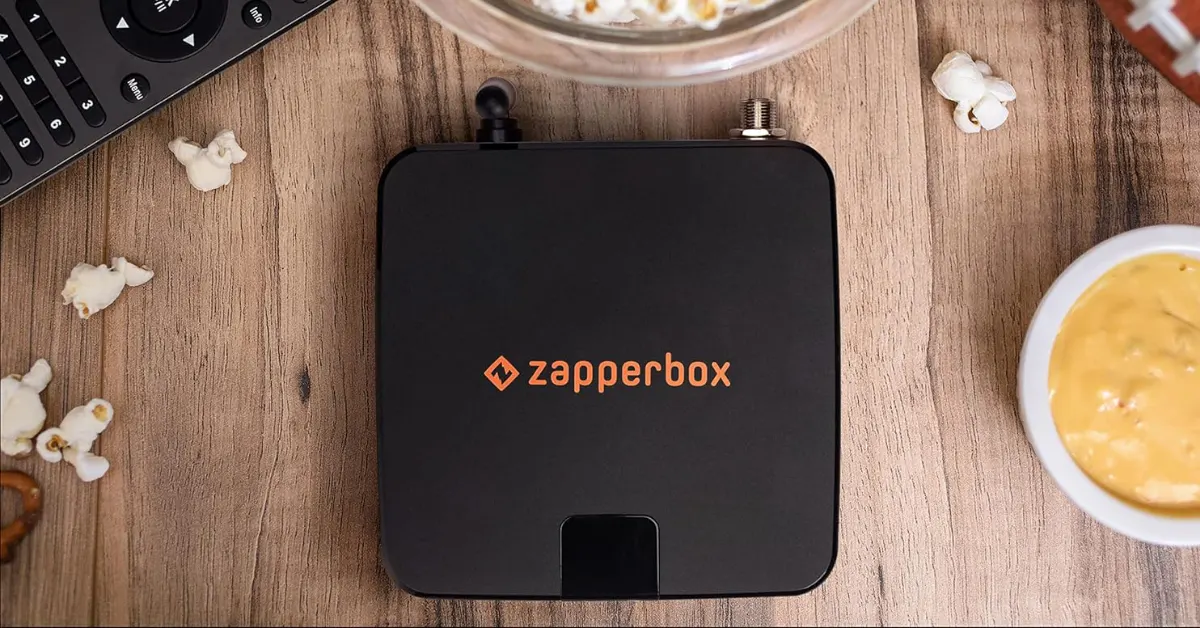
- BitRouter begins testing ZapperBox whole-home NextGen TV delivery
- FCC approves proposed rule for NextGen TV transition
- Viewpoint: Is America ready for NextGen TV?