

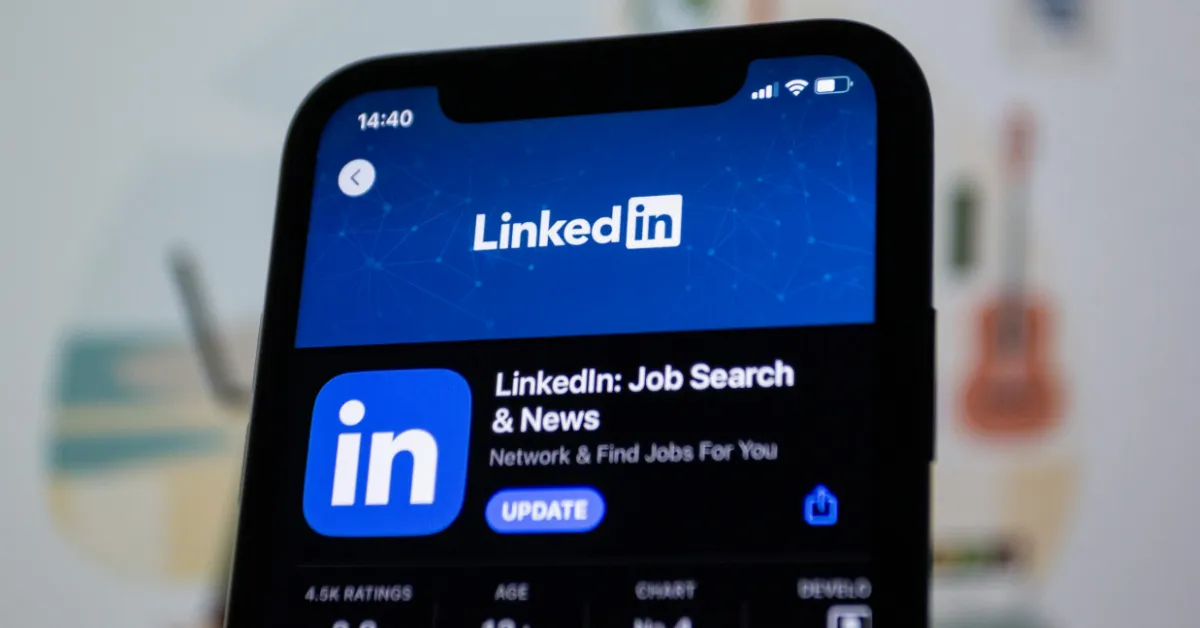
Bango has signed a deal with Microsoft-owned LinkedIn to add its social media platform’s premium subscription to its Digital Vending Machine platform.
The addition of LinkedIn Premium to the Digital Vending Machine allows Bango’s clients to offer their subscribers standalone or bundled access to the plan on the same bill as their other services.
Bango is best known for powering subscription marketplaces offered by telecoms like Verizon, Optimum and Optus, allowing those companies to offer standalone or bundled subscriptions to services like Netflix, Disney Plus, Uber One and NordPass on the same bill as their phone, cable TV and Internet plan.
Now, Bango’s clients can offer their subscribers access to LinkedIn Premium at a time when the platform has gained momentum with job-seekers and those who seek networking opportunities with professionals.
“LinkedIn is a globally recognized platform with a unique role in connecting professionals and supporting career development. Bringing LinkedIn into the Digital Vending Machine reflects the continued momentum of our partner ecosystem and the growing demand for more flexible and accessible subscription models,” Paul Larbey, the CEO at Bango, said in a statement. “We look forward to working together to unlock new bundling opportunities for partners and consumers as the service is brought to market.”
Ora Levit, the Vice President of Product at LinkedIn, said partnering with Bango on the inclusion of LinkedIn Premium within the Digital Vending Machine “expands how and where we can deliver that value, meeting professionals through the trusted services they already rely on every day.”
Bundling isn’t just an attractive way for telecoms and other service providers to offer ancillary benefits to their customers — it helps improve subscriber retention across services that make signing up for and managing different services easier for customers.
Consumer research released by Bango last year found most Americans are willing to purchase a streaming service from a bundle if it meant getting low-cost access to the apps they’d already pay for — and they’re more likely to stick around for the long term based on the value of those services when purchased together and charged to a recurring bill.