

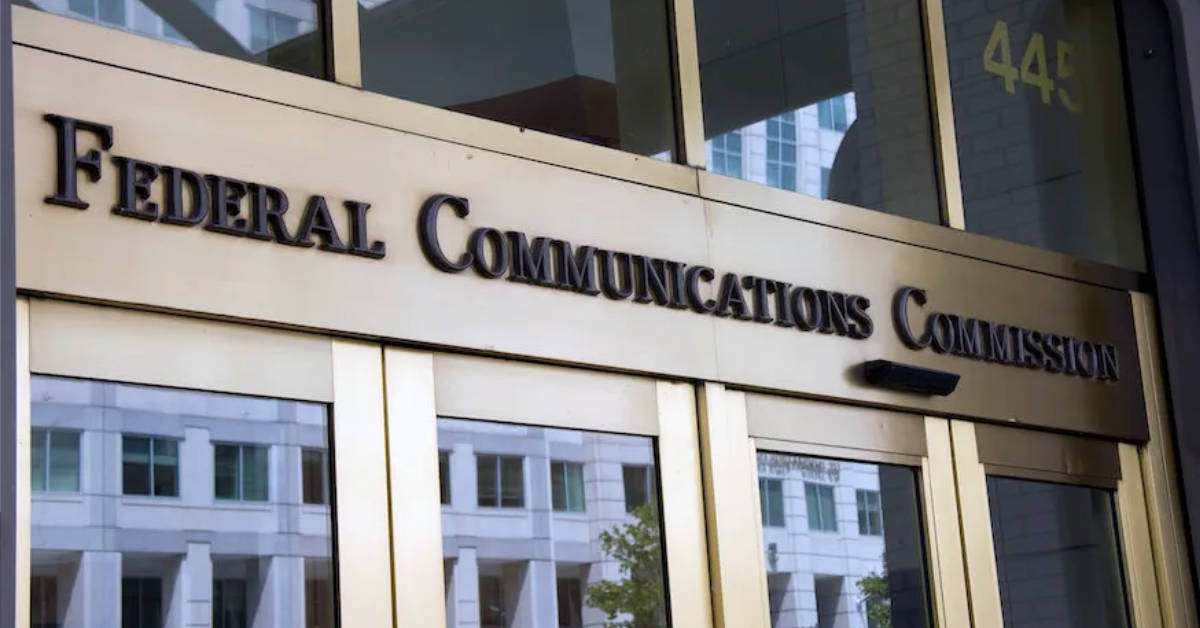
The Federal Communications Commission (FCC) this week ordered a low-power broadcaster called Bridge News to renew its broadcast TV station licenses early.
The demand, from the FCC’s Media Bureau, follows an investigation into allegations that the broadcaster transferred control of its stations without obtaining the agency’s approval.
Bridge News owns a handful of low-power TV stations that were previously affiliated with NewsNet, a 24-hour broadcast news channel that shut down nearly two years ago. The company’s flagship channel, WMNN (Channel 26) in Cadillac City, currently airs programming from NBC Universal’s multicast network Cozi TV on its main broadcast feed.
It wasn’t clear how many stations are owned through Bridge News, which operates as a limited liability company (LLC). A search of online databases shows WMNN is owned by Jeffrey Winemiller, who also owns dozens of other low-power TV stations across the country, though it couldn’t be learned if those other stations are part of the FCC’s probe.
In a letter sent to Bridge News on Monday, FCC Media Bureau Chief David Brown didn’t identify the number of stations whose broadcast licenses need to be renewed, though he said Bridge News has until May 27 to comply with the order.
The language used in the one-page letter was almost identical to the way Brown wrote a similar order to the Walt Disney Company on Tuesday, which asked for the early renewal of eight local TV station licenses held by operations owned by Disney’s subsidiary ABC.
In March, FCC Chairman Brendan Carr said the agency was looking at different ways to enforce a broadcaster’s obligation to operate in the public interest, to include demands that stations renew their broadcast licenses early.
Through that renewal process, the FCC can deny an application to renew a license if it feels the license holder does is not of fit character to continue broadcasting on controlled spectrum or otherwise doesn’t operate its stations in the public interest.
The term “public interest” has never been defined. Last year, FCC Commissioner Anna Gomez said the agency should put a firm definition to the term out of concern that Carr was using the vague standard to censor media outlets.
“I have called for the commission to initiate a rulemaking to define what it means by the public interest,” Gomez said. “Otherwise, we’re just regulating against what we don’t like, and that is a direct violation of the First Amendment.”