

Nearly half of American households are still paying for cable, satellite or an equivalent TV service in order to watch live content like news and sports, according to a new survey released this week.
The study, released by Leichtman Research Group, found 49 percent of American households with a TV set are paying for a traditional television service, down from 57 percent reported one year ago and 78 percent in 2018.
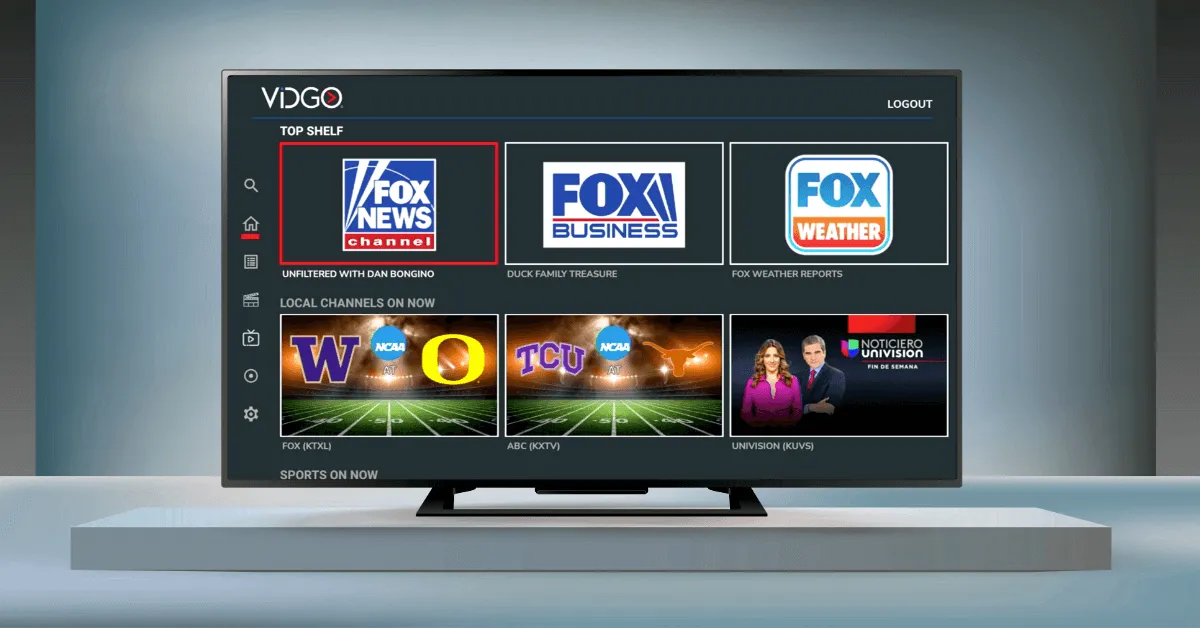
Just 15 percent of American households who have moved on to a streaming cable TV equivalent like YouTube TV, Fubo or Vidgo.
Leichtman Research has been surveying the American pay television landscape for more than two decades. Over time, the number of Americans who are shelling out their hard-earned money to pay for television service has decreased — and, at the same time, the costs associated with cable, satellite and streaming cable-like service has gone up, a byproduct of broadcast and cable channel owners charging more for their programming.
“The percent of U.S. TV households with a live pay TV service waned over the past decade, with a more precipitous decline over the past five years,” Bruce Leichtman, the president and principal analyst for Leichtman Research, said in a statement. “The penetration of pay TV remains lowest among younger adults and the categories that they tend to populate, including movers and renters. Today, 56 percent of ages 18 to 44 have a pay TV service, compared to 83 percent a decade ago.”
An earlier report released by Leichtman Research claimed major pay television providers lost a cumulative 1.73 million customers during the second quarter of this year. By comparison, pay television providers lost around 1.725 million customers during the same period in 2022, the report said.
While traditional cable and satellite products have been shedding customers, those who want access to local news and premium sports offerings are increasingly turning to streaming equivalents — but there are signs that momentum is slowing as well.
Leichtman Research reported streaming cable-like services, or vMVPDs, lost around 115,000 subscribers during the second quarter of this year. That figure was apparently offset by slight gains at YouTube TV — which has become one of the most-dominant streaming services offering premium live TV — but still nearly double the 65,000 customers who dropped their vMVPD subscription during the same time frame in 2022.
The reports didn’t say how many customers are opting for free broadcast television for local news and sports, or who are switching to video on-demand streaming services for their content needs.