
A proposal by the National Association of Broadcasters (NAB) to change the way Americans receive over-the-air television broadcast signals would negatively impact thousands of consumers who rely on Tablo’s digital video recorders to watch and record free local and network TV.
The proposal made public by the NAB on Wednesday would require TV broadcasters in the top 55 markets across the country to fully shut off their ATSC 1.0 signals by February 2028, and all other stations to do the same by 2030. From those key dates, local TV stations would broadcast exclusively on ATSC 3.0, also known as “NextGen TV,” which promises enhanced video and datacasting capabilities, including ultra high-definition (UHD/4K) video and hyperlocal emergency alerts in the future.
The requirement would be rolled into a new FCC mandate that enforces the shutdown of ATSC 1.0 signals by those key deadlines in favor of a full transition to ATSC 3.0. Under current federal rules, broadcasters are permitted to launch ATSC 3.0 signals — and many already have — but they must maintain an ATSC 1.0 simulcast of their main TV channel, which allows most Americans to continue receiving network programming, local news and sports.
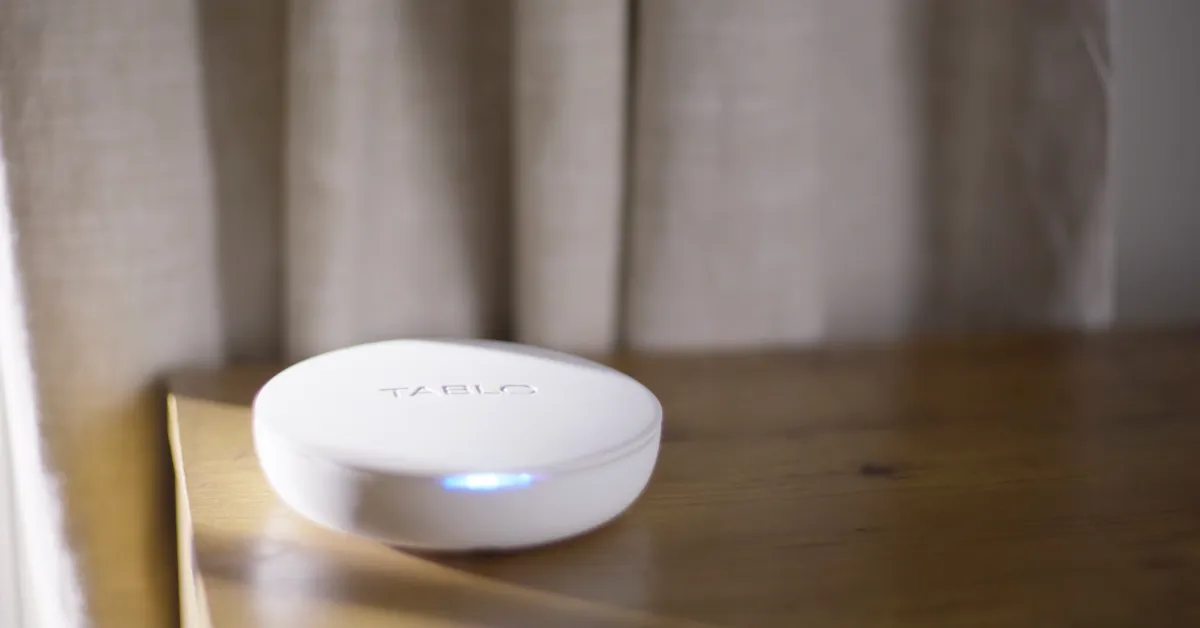
If the FCC mandates the shutdown, it would affect thousands of Americans who rely on third-party devices to receive, watch and record free broadcast TV, including the popular Tablo line of DVRs.
All previous and current Tablo DVRs lack the necessary hardware to receive ATSC 3.0 signals. That includes the fourth-generation Tablo DVR, which is marketed to customers as an opportunity to “pay once” for the device “watch [TV] forever.” The implication behind that marketing is that users of the fourth-generation Tablo DVR will always be able to watch free broadcast TV, though the word “broadcast” isn’t explicitly mentioned, and the device does receive free streaming TV (FAST) channels as well.
Nuvyyo, the parent company of Tablo that was quietly acquired by the E. W. Scripps Company several years ago, previously announced plans to debut a network-connected DVR that works with the ATSC 3.0 standard. But the development of that device has been delayed several times, to the point that Nuvyyo eventually issued refunds to customers who financially backed the project early on.
Reached for comment on Wednesday, a spokesperson for Scripps said the company was aware of the NAB’s proposal to the FCC regarding the transition away from ATSC 1.0, and is “evaluating the proposed rule and what this means for our Tablo roadmap.”
“Through our participation in standards groups as well as in our labs, we are still actively working towards a product that is fully compliant with all ATSC 3.0 requirements,” the spokesperson said. “If this proposal passes, we hope it will encourage continued collaboration between streaming and mobile device manufacturers and the ATSC 3.0 standard.”
The spokesperson did not address whether Nuvyyo or Scripps will implement a Tablo buyback or rebate program once the ATSC 3.0 model is ready, nor did they say whether current Tablo DVRs can receive ATSC 3.0 channels through software or firmware updates. The company also did not say whether it would inform Tablo users about the petition submitted this week, though it makes updates on ATSC 3.0 available via a page on its website.
The NAB itself seems to acknowledge in its FCC petition that consumer technology still has some ways to go before NextGen TV-capable sets and tuners are available in most American homes. While major electronics manufacturers like Sony, Samsung and Hisense have committed to building TVs with ATSC 3.0 tuners, only 10 percent of TVs shipped to U.S. retailers last year had those tuners, the NAB said.
That said, the NAB said ATSC 3.0 converter boxes were starting to hit the U.S. market, priced between $90 and $250 a piece.
“As consumer adoption of ATSC 3.0 accelerates and broadcasters continue their transition, the demand for affordable converter devices is expected to rise, inducing more manufacturers to enter the market and ultimately leading to greater availability and lower costs for consumers,” the NAB wrote in its petition.
The petition does not call for the federal government to launch a rebate program, similar to one implemented in the mid-2000s that subsidized analog-to-digital converter boxes. It is unclear whether the broadcast TV industry or the government will call for a rebate program in the future.