
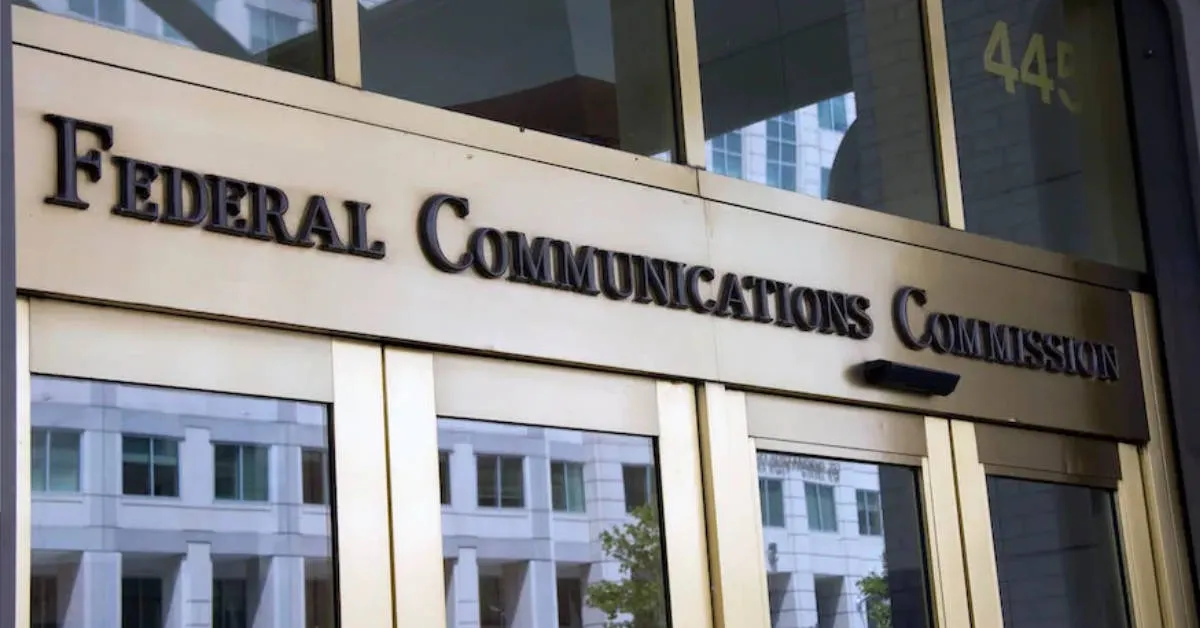
The Federal Communications Commission (FCC) has furloughed more than 1,000 non-essential workers as part of the agency’s government shutdown contingency plan, The Desk has learned.
The agency currently employs nearly 1,300 government workers, of which around 1,050 have been placed on a temporary unpaid leave of absence after Congress failed to pass a bill that continued funding government agencies beyond September 30.
The FCC is one of several agencies affected by the shutdown. The agency regulates the nation’s telecommunications infrastructure, including licensed radio and television stations, broadband companies and satellite services, among others.
Around 250 workers will remain active at the FCC, though it isn’t clear if they will be paid during the shutdown. Those essential workers include the FCC’s three commissioners — Chairman Brendan Carr and Commissioners Anna Gomez and Olivia Trusty — along with members of their staff.
During the shutdown, the FCC will operate in a limited manner — the agency won’t respond to consumer complaints, will stop all consumer protection efforts, halt enforcement of its local competition rules and stop renewing or issuing new licenses across broadcast and wireless services.
The FCC will task a few essential staffers with continuing to carry out duties that are critical to life and safety, to include oversight of network reliability and wireless interference. It will also continue to move forward with activities that are appropriate through separate means, including preparations for the 2027 World Radiocommunication Conference, the Supply Chain Reimbursement Program and certification and disbursements related to the Universal Service Fund.
Around 25 workers will remain at the agency, in a full-time capacity, to ensure the FCC can respond to emergency and safety matters. Typically, that includes oversight and response to matters involving broadcasters and telecommunication service providers impacted by calamities like wildfires, earthquakes, hurricanes, floods and terrorism.
FCC employees have been told to cancel non-essential travel plans, and are not allowed to take paid leave while the shutdown is in effect.
The shutdown comes at a time when the FCC is working through significant tasks that have the potential to change the landscape of broadband and broadcasting. Last week, the FCC announced it was re-examining some of its long-time broadcast ownership rules; under Carr, the FCC has also sought to identify and eliminate duplicative and obsolete rules affecting all of its regulated industries.
Some of the agency’s deadlines will have to be reset, and commercial stakeholders who are waiting on regulatory action to further their business initiatives will have to wait a while longer until a funding bill is approved by Congress.