
Key Points

- Gray Media CEO Hilton Howell said the company expects FCC approval of five pending station deals, citing a regulatory climate favorable to consolidation.
- Gray is pursuing acquisitions and swaps, including a deal with Allen Media and a transaction with Scripps to form new duopolies.
- Executives view Nexstar’s proposed TEGNA merger as a bellwether for broader ownership rule changes that could accelerate industry consolidation.
- Read coverage of Gray Media’s Q4 and FY25 earnings report
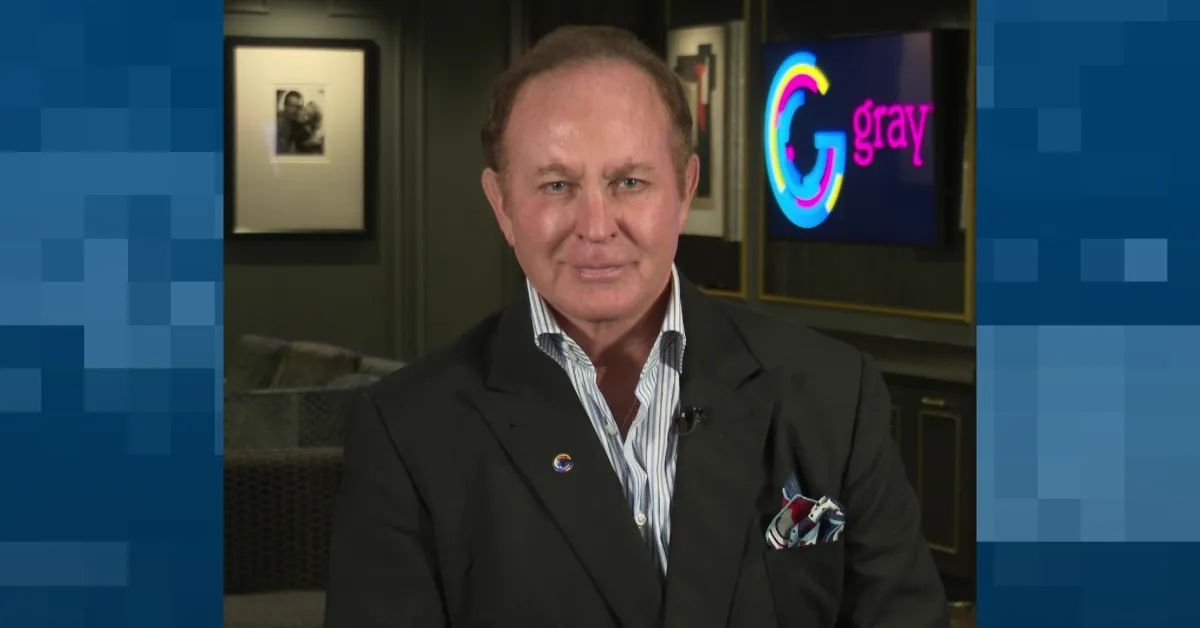
Gray Media believes the regulatory environment in Washington, D.C. is favorable to broadcasters on the point of consolidation, and the company expects the Federal Communications Commission (FCC) will approve a number of pending business-related transactions involving the acquisition or swap of certain stations, its CEO told investors this week.
Speaking on a conference call Thursday, Gray Media CEO Hilton Howell, Jr. said the broadcaster currently has five transactions that require FCC approval, including a deal with Allen Media to acquire 10 of its local TV stations and a swap agreement with the E. W. Scripps Company that will form new duopolies in some parts of the country.
“We are very optimistic about getting that closed, hopefully, very early in 2026,” Howell said.

Like other broadcasters, Gray Media is watching how things develop at Nexstar Media Group, which announced a $6 billion deal to acquire TEGNA and its 60 local TV stations last summer. The transaction is the first time a broadcaster has tested the waters with the FCC and its chairman Brendan Carr, who has moved rapidly to scrutinize — and, in some cases, eliminate — rules that he feels are onerous, unnecessary or outdated.
Earlier this month, Carr said he was ready to move forward on Nexstar’s acquisition of TEGNA. Regulators at the U.S. Department of Justice continue to evaluate the transaction through various antitrust laws. On Thursday, Nexstar CEO Perry Sook said the company continues to update federal regulators at the DOJ on the matter, and warned that it might have to sell or otherwise divest a few stations to get its deal across the finish line.
The Nexstar-TEGNA deal has become something of a North Star for other broadcasters who are interested in buying, swapping or selling stations in a regulatory environment that is viewed as favorable to consolidation. Many, including Gray Media, feel their only shot at competing against larger streaming services that have poached live sports rights and TV ad dollars over the past few years is to scale their operations to the point they are too big to ignore.
At present, their hopes of growing larger are hamstrung by a long-standing rule that prevents broadcasters from having direct control of licensed TV stations that reach more than 39 percent of the American TV audience. The FCC is weighing a proposal that would raise or remove that ownership cap; some critics say the agency can’t eliminate the cap overall because Congress requires them to impose one.
“They (Nexstar), like we, believe that consolidation is important for the industry because it is critically important that we maintain local news in all 210 markets across the United States,” Howell said. (Broadcasters have long said consolidation is necessary to preserve local news. This week, Nexstar laid off more than a dozen journalists at its three largest TV stations, citing a need to address current market realities.)
Howell continued: “As our industry faces broader competition from the massive companies, from Google to Meta to all the rest, getting larger is an absolute requirement.”
No broadcaster has moved forward on a deal the size of Nexstar’s transaction with TEGNA. (Sinclair, Inc. has offered to acquire Scripps, but the latter company has rejected its advances.) Instead, broadcasters like Gray Media have chosen to execute on smaller transactions that involve acquiring a handful of stations at once.
Most of those transactions are likely to be rubber-stamped, since they involve acquiring stations in markets where a broadcaster already operates — certain same-market ownership rules were nullified through a federal court decision last year — while others are small enough that broadcasters can apply for, and likely will receive, waivers to existing FCC ownership regulations.
Nexstar believes its deal with TEGNA will be approved by all regulators, and the companies will merge by the end of the year. When that happens, Howell says it could be a feeding frenzy among broadcasters once they are armed with greater clarity about what the FCC and other regulators are likely to approve.
“I am personally looking forward to clarity in terms of what the rules are, because you hate to launch a deal and then not be able to get it to completion,” he said.
More Stories
- Nexstar CEO says Trump, Congress favor broadcast deregulation
- Newsmax CEO: FCC lacks authority to eliminate broadcast ownership cap
- FCC’s Gomez says Nexstar-TEGNA deal should get full panel vote
- Exclusive: Nexstar orders stations to run news stories about FCC deregulation efforts
- Scripps, Gray agree to swap TV stations, creating new duopolies
- Gray Media acquiring Jackson TV station from Bahakel Communications
- Gray Media to acquire 10 stations from Allen Media
- Civil rights groups urge FCC to block TV station acquisitions
- EARNINGS: Gray Media sees lower revenue, but higher ad income, during Q4