


Key Points

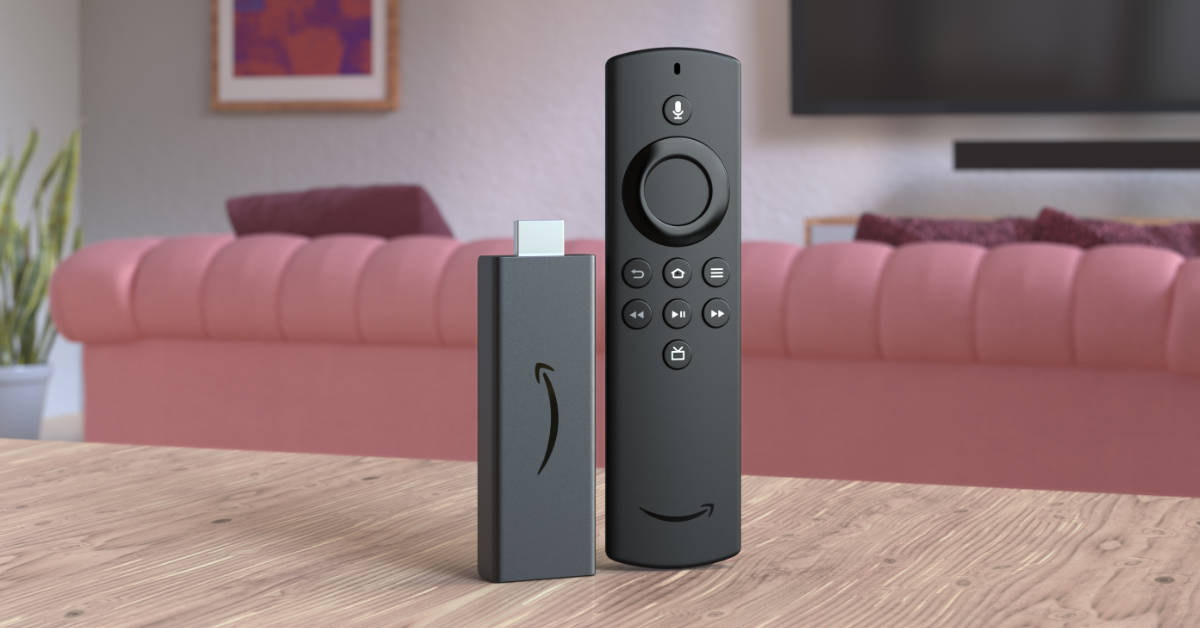
- Amazon faces a class-action lawsuit in California alleging it engaged in “software tethering” by ending support for older Fire TV sticks without clearly disclosing devices would lose updates.
- The plaintiff claims Amazon deliberately used planned obsolescence, allowing older Fire TV devices to degrade until customers were forced to purchase newer models.
- Amazon has refreshed some Fire TV devices with a new Linux-based Vega OS that prevents sideloading of apps, forcing users to download exclusively from Amazon’s app store.
Amazon is facing a class-action lawsuit in California over claims that it stopped supporting older Fire TV sticks without clearly disclosing to consumers that the devices would eventually lose software updates.
The lawsuit, filed in state court, accuses Amazon of deceptive marketing practices with respect to its first- and second-generation Fire TV sticks, which are no longer for sale. The lead plaintiff in the case, a resident named Bill Merewhuader, says he purchased two second-generation Fire TV sticks in 2018, but felt forced to upgrade to newer devices in 2024 after the devices slowed down to the point they were unusable.
Merewhuader claims Amazon engaged in “software tethering,” or using server-side software updates to effectively control hardware after a customer purchases it. By ending software updates for the older Fire TV sticks, Amazon ensured that the devices would degrade the customer experience to the point that streamers shelled out more money for newer devices, Merewhuader said.

Ending software-based support for smart devices is nothing new: Every major hardware manufacturer — including Apple, Samsung, Amazon, Roku and Google — has a practice of providing a few years of software and security updates across their product line before retiring older devices to focus on newer gadgets.
But Merewhuader says Amazon didn’t go far enough in its marketing of the older Fire TV devices to warn customers that the hardware might eventually stop receiving software support, thereby creating the illusion that Fire TV sticks purchased before the launch of HBO Max and Peacock will work forever.
Merewhuader claims the lack of warning wasn’t merely an oversight, but a deliberate attempt by Amazon to engage in a practice known as planned obsolence with respect to its older-model Fire TV devices, in a way that violated California and federal consumer protection laws.
Amazon has not commented on the lawsuit.
Amazon’s early model Fire TV sticks used a modified version of the Android TV operating system, which was customized to promote Amazon’s own services, with apps downloaded via an Amazon-controlled app store.
Those Fire TV sticks allowed streamers to install unsupported apps through a practice known as “sideloading,” which enabled users to watch content from apps available in the Google Play Store and other online repositories, even if the apps weren’t available in Amazon’s own app store.
Over the past year, Amazon has refreshed some of its Fire TV devices to use a new Linux-based operating system called Vega OS, which resembles the older Fire TV operating system but locks down the streaming experience even further. Fire TV sticks running Vega OS are not able to sideload Android apps from the Google Play Store, forcing customers to download apps from Amazon’s own app store exclusively.