
A note from The Desk publisher Matthew Keys:
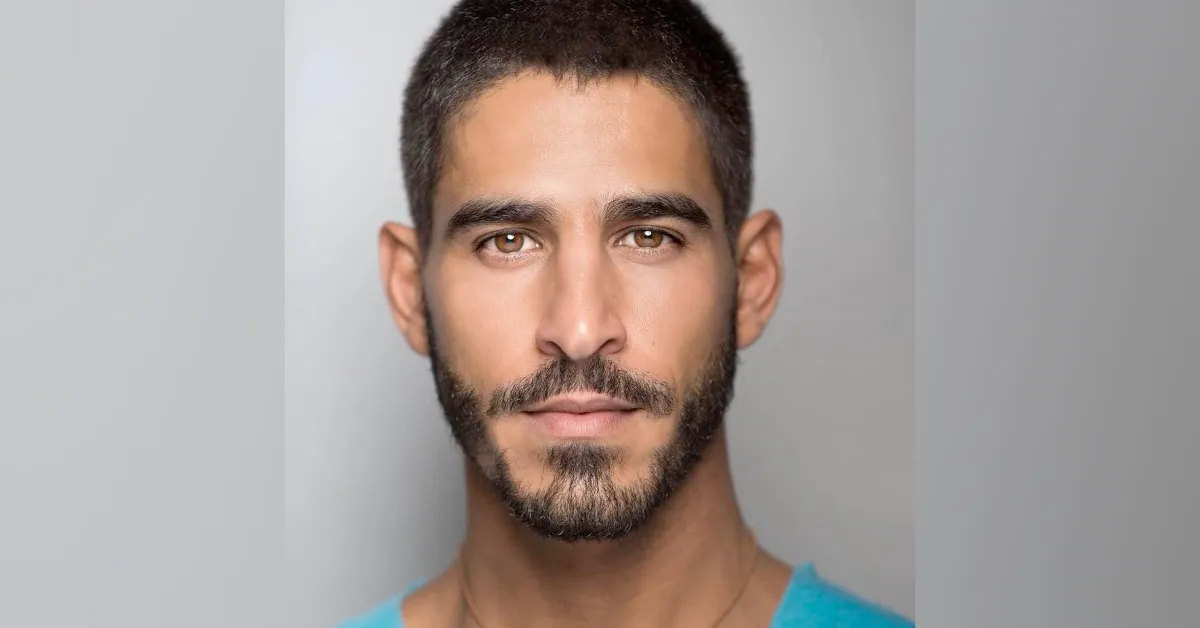
On Tuesday, the world learned that my friend and colleague Ahmed Shihab-Eldin has been jailed in Kuwait for more than a month, for the apparent offense of reporting the news.
In early March, Ahmed was visiting family in Kuwait while aggregating news reports on the ongoing military conflict between the United States and Iran. As part of his reporting, he republished a video from CNN that showed a fighter jet crashing near a U.S. military installation in Kuwait. It was later confirmed that two pilots on board the aircraft had successfully ejected, and that a search and rescue mission had been launched by the U.S. military to recover them, which was successful.
Ahmed is an American, born in the United States, who holds dual Kuwaiti citizenship. He is well known among prominent social media-focused journalists who cut their teeth in the industry in the late 2000s and early 2010s; I first encountered him while working as a social media editor at Reuters, and we developed a rapport and a friendship that continues to this day.
In November 2012, Ahmed worked as an adjunct professor at Columbia University, where he asked me to speak on the topic of news aggregation with a particular focus on social media. During the moderated session, he not only asked questions about proper vetting and sourcing of material found online, but also about the importance of young people in corporate newsrooms and why underrepresented voices matter in journalism. He understood, perhaps better than any other journalist I’ve met, that the right of free press comes with a responsibility to question authority, hold power to account and report the facts — even when higher powers apparently do not want those facts reported.
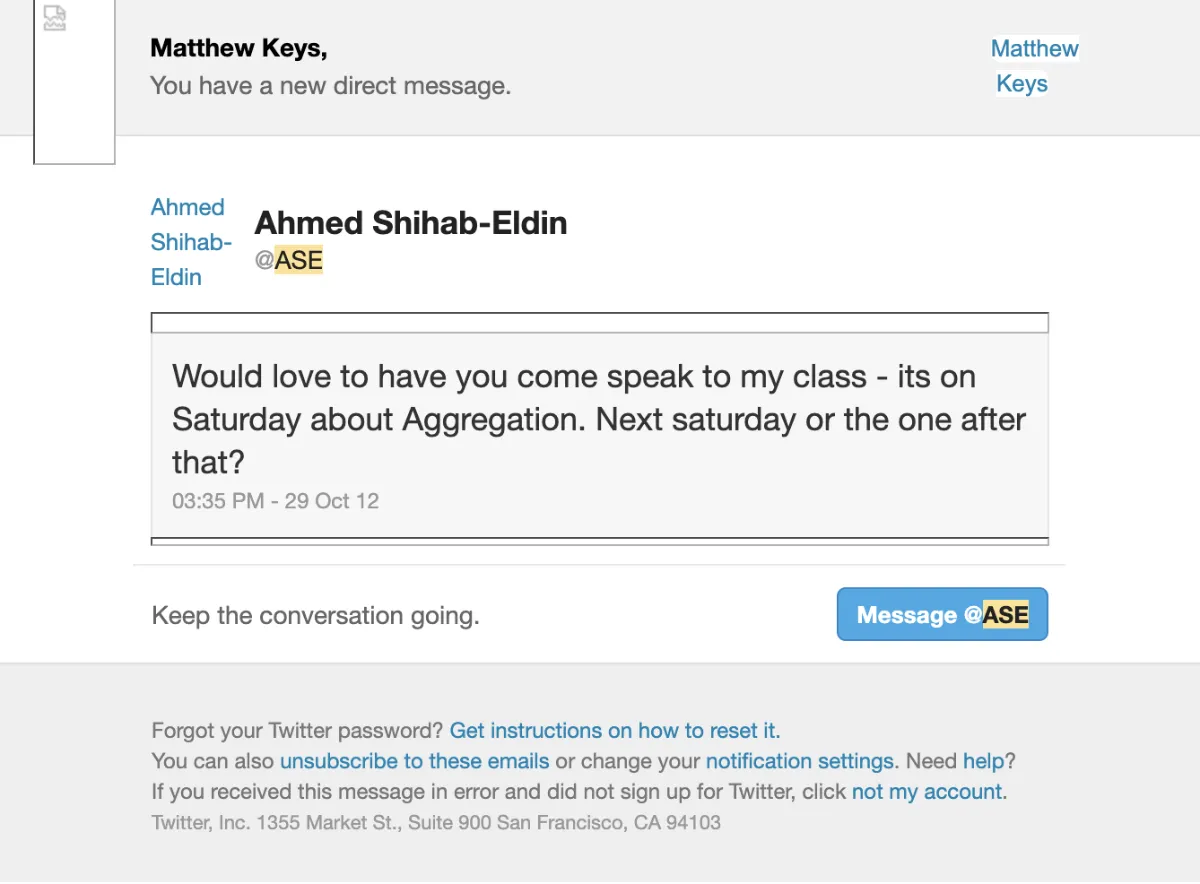
It feels like more than a coincidence that the topic Ahmed asked me to speak on — aggregating the news — is now the apparent offense that has earned him time in a jail cell. But Ahmad’s real crime is daring to bring the tenet of western journalism — an understanding that there are multiple perspectives, but only one truth — to a corner of the world where free speech, free expression and freedom of the press face strong artificial limitations.
Ahmed is likely to be charged under new security laws in Kuwait that are intended to further stifle press freedom, a law that makes it more difficult for western news organizations to report in the country without fear of prosecution, and one that makes independent, fearless reporting of the type Ahmed embodies all the more important.
Last month the Kuwaiti government passed Law 13 of 2026, which allows the government to censor individuals — including journalists — upon a finding that the interests of the country’s military and national security outweigh the rights of journalists to report the truth.
Just a few months earlier, the Committee to Protect Journalists issued a report to the United Nations Human Rights Council that documented numerous instances in which Kuwaiti forces harassed and attacked individuals for a variety of offenses, including political expression and objective reporting. The report came two years after the U.S. State Department concluded that Kuwait was arresting individuals on a wide variety of charges, including “spreading false news,” even when their reporting was factually sound.
It is perhaps ironic that, while Kuwait does not appear to value the freedoms that most Americans take for granted, they rely on the American military to keep them safe in what is otherwise an extremely volatile region.
Ahmed’s fearless reporting is needed now more than ever. I join the Committee to Protect Journalists in calling upon the Kuwaiti government to release Ahmed from custody and drop all charges. I also urge the U.S. State Department and other authorities to advocate for the release of Ahmed, an American citizen, and demand that the Kuwaiti government end its oppressive censorship of journalists working in the region.
To learn more about Ahmed’s case, visit the Committee to Protect Journalists’ website by clicking or tapping here.