


Key Points

- A federal appeals court upheld a ruling that LG infringed patents tied to ATSC 3.0 technology, upholding an earlier jury award of $1.7 million to Constellation Designs.
- LG previously halted sales of NextGen TV-capable sets amid the dispute, while other TV makers like Samsung and Sony continue to support the technology.
- The patent issue involving LG comes as federal regulators consider a nationwide transition to NextGen TV by the end of the decade.
A federal appeals court sided against South Korean electronics maker LG in a patent infringement lawsuit involving the ATSC 3.0 broadcast technology.
Last week, the Second Circuit Court of Appeals declined to overturn a jury’s earlier verdict that awarded Constellation Designs nearly $1.7 million in damages after finding LG violated the company’s patents connected to ATSC 3.0, commonly known as NextGen TV in the United States.
The appellate court reaffirmed many of the findings of the jury, but vacated claims related to LG’s optimization of the technology and ordered a lower court in Texas to reconsider the case with the optimization claims removed.

But the appellate court upheld the core issue in the case — that LG violated Constellations Design’s patents connected to ATSC 3.0 broadcast technology.
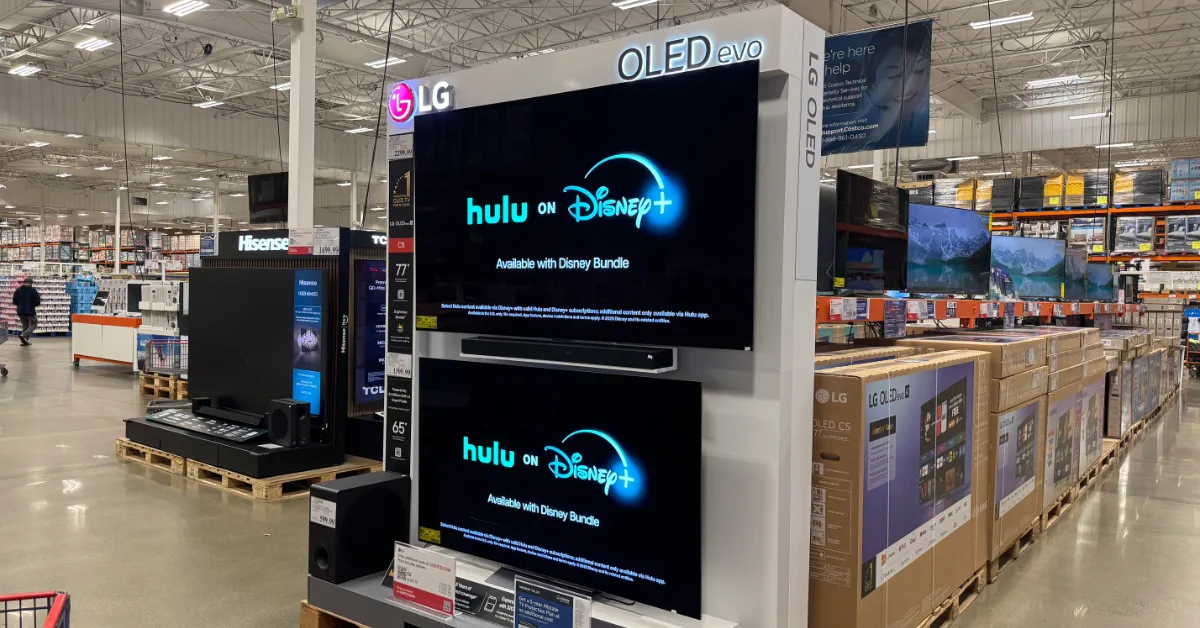
Three years ago, LG said it would stop selling NextGen TV-capable smart TVs in the United States following the jury’s verdict in the patent lawsuit. The company said it was working through the patent issue to determine if it could sell smart TVs with the technology again in the future.
The issue comes as the Federal Communications Commission (FCC) weighs a proposal to switch all broadcast TV stations to NextGen TV transmissions by 2030, with some major market TV stations making the switch as soon as 2028.
Most Americans live in an area where NextGen TV signals are available, with major network-affiliated stations transmitting their main programming feed on ATSC 3.0 in tandem with legacy ATSC 1.0 signals.
It isn’t clear how many Americans have a TV capable of receiving NextGen TV signals. TVs with only ATSC 1.0 tuners in them aren’t compatible with NextGen TV; if the FCC adopts the proposed switch to NextGen TV, Americans with older devices will need to buy a converter box or a new TV set to continue receiving free broadcast TV.

Pearl TV, an industry consortium backing the NextGen TV standard, has rolled out a program that incentivizes hardware makers to create converter boxes with a ceiling price of $60 per device. Unlike the prior analog-to-digital broadcast transition, no agency has proposed a rebate program that allows Americans to receive those converter boxes for free, meaning most consumers will need to pay for the devices outright.
While LG has dropped support of the technology, other smart TV makers remain committed to supporting the NextGen TV standard, including Sony, Samsung and TCL.