


Three connected television (CTV) platforms control the majority of the smart TV sets in the United States, according to a refreshed survey conducted by Parks Associates.
An excerpt from the survey — “Battle of the Platforms: Assessing Connected TV Ecosystems” — was released ahead of the company’s Future of Video conference, which is taking place in Southern California later this month.
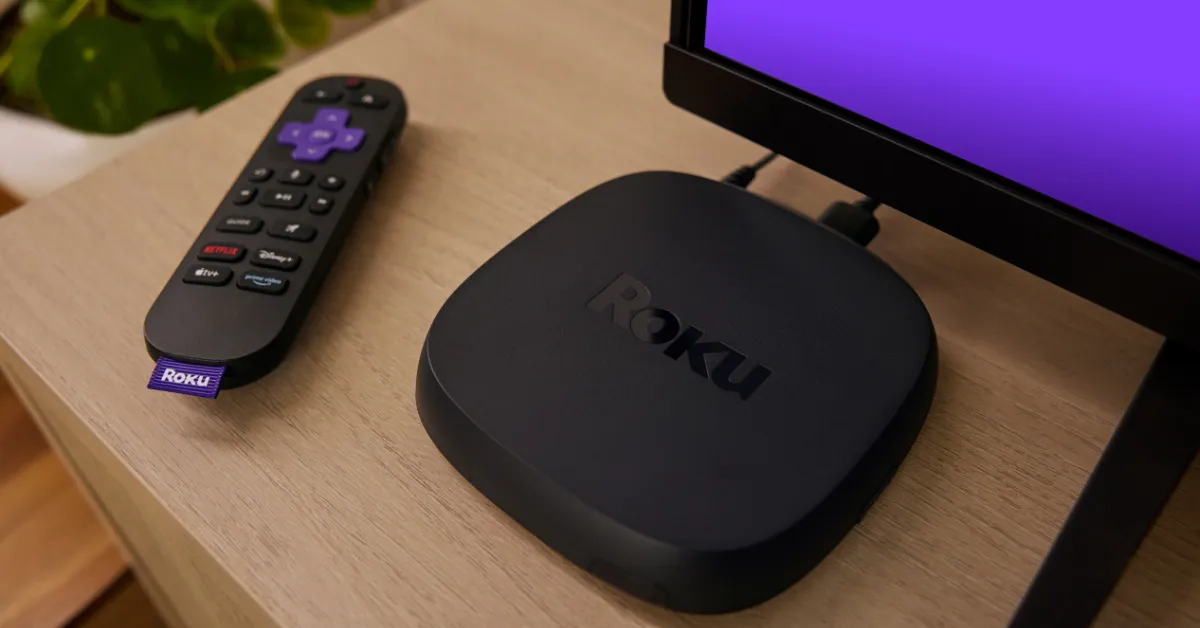
The survey found Roku, Amazon’s Fire TV and Samsung’s Tizen operating system to be the most-dominant CTV platforms powering the streaming experience of America’s smart TV sets, with Roku in the lead.

Samsung clocked in just behind Roku, which Parks Associates noted was impressive because the company only offers its streaming platform through Samsung-branded TV sets.
Amazon, which came in third, offers its Fire TV operating system through smart TVs, set-top devices and streaming sticks, as does Roku — meaning households that use a modern TV made by just about any company can purchase a separate device and use Amazon or Roku’s platforms (or both, if they want).
“Most consumers prioritize software capabilities, customer service and hardware specifications when purchasing a new smart TV,” Elizabeth Parks, the President and Chief Marketing Officer of Parks Associates, said in a statement. “But a cohesive and carefully-designed interface within a single operating system can significantly enhance the user experience after purchase and help to increase brand stickiness.”
Roku has seemingly prioritized ease of use over everything else, which makes it an instant hit with customers who are new to streaming and don’t want to be overly complicated by menus and features. Amazon prioritizes content from its Prime Video store and partners who sell third-party subscriptions via Prime Video Channels or using the Amazon Pay feature.

Samsung recently boasted that its free, ad-supported streaming TV (FAST) platform, Samsung TV Plus, has over 88 million monthly active users (MAUs), though some have noted that the number might be exaggerated because Samsung TV Plus is activated by default when most customers turn on their TV for the first time (Samsung TV users can turn this behavior off in their settings).
“For all we know, Samsung’s MAU figure counts any user who glances at the TV Plus app, even if they immediately switch over to Netflix or Hulu,” a columnist who uses the alias Skip Buffering wrote at The Streaming Wars. “he numbers are padded, presenting a facade of engagement that doesn’t do anything for advertisers, doesn’t help stakeholders understand growth, and doesn’t reflect real viewer loyalty.”
Maybe not, but the figure indicates Samsung has at least 88 million TV sets in the United States and around the world that have, for whatever reason, chosen to keep Samsung TV Plus as their default — and the likelihood that there are even more Internet-connected TV sets running Samsung’s operating system out there in the world is pretty high.
That number, coupled with the data released by Parks, is important to advertisers who evaluate different platforms for their campaigns. Roku, Samsung and Amazon’s outsized share will likely convince large and small advertisers alike to consider them first, since they have the biggest reach in the United States — but, as Mr. Buffering points out, better data is needed, so advertisers can make more-educated decision about whether another platform is better for their needs.
The other platforms mentioned in Parks Associates’ study — LG, Vizio and Android TV (Google TV) — all operate similar streaming platforms and FAST services that rely on advertising to financially support them. It is possible that one of those platforms is better suited for advertisers who are trying to reach a segmented audience — wealthy households, budget-conscious individuals, those who speak certain languages at home, and so on. Until that data is available, it’s really anyone’s guess.