

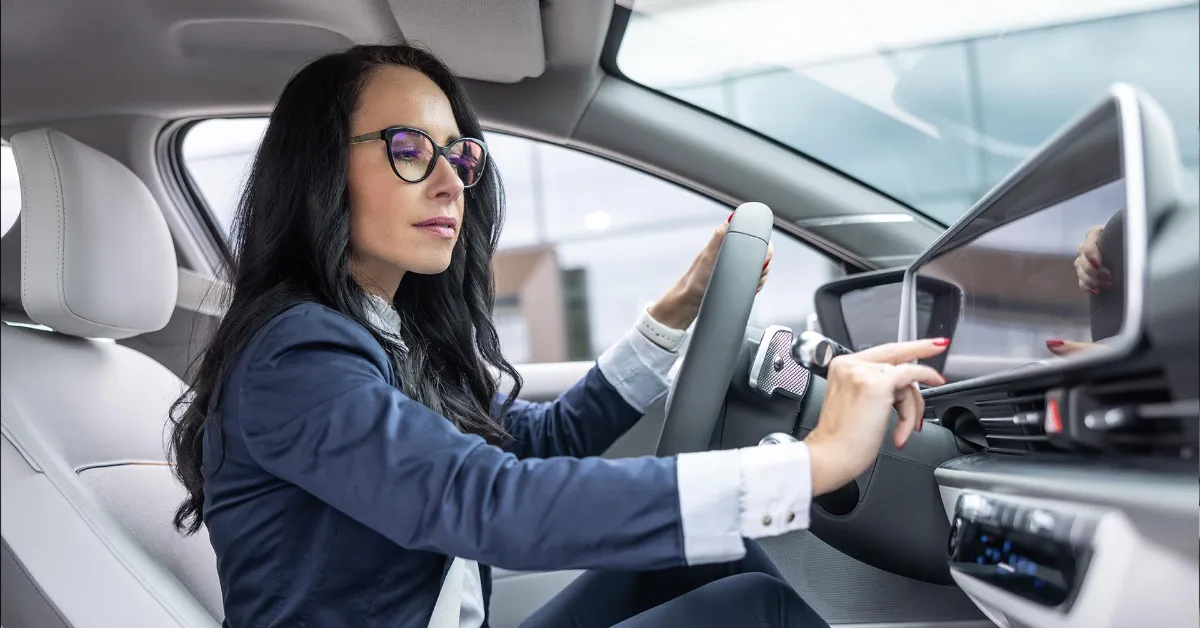
Drivers are yearning for smarter features from their car radios, as listening to podcasts and streaming music open the door for more-personalized marketing opportunities.
According to a new report by Gracenote, 94 percent of drivers surveyed in four countries — the United States, Japan, South Korea and Germany — said they’d be willing to stop using their smartphones in their cars if their in-dash infotainment systems had smarter features.
Many car manufacturers have heeded that call by installing touchscreen-based radios that combine traditional AM, FM and satellite radio channels with Bluetooth and platforms like Apple CarPlay and Android Auto, which allow smartphone users to stream podcasts, on-demand music and live audio from services like TuneIn, SiriusXM, Apple Music, Spotify, Pandora and LiveOne.

But streaming audio, in most cases, still requires a smartphone. And consumers are warming up to the idea of using their car radios for other things like streaming video applications and gaming, all of which have seen an uptick in interest over the past few years.
A few companies are responding to that desire by installing smarter features in their infotainment systems, like streaming apps powered by Xperi’s DTS AutoStage and TiVo. Around this time last year, Paramount announced it was bringing its streaming service Paramount Plus to BMW and Mini cars in Europe, and other streaming apps have done the same in recent months. On Wednesday, TiVo and Free Live Sports announced plans to deliver nearly four dozen sports content streams to car entertainment systems in the coming months.
Other companies have integrated cellular connectivity into their car radios, allowing drivers with a particular subscription to natively access some services and apps without a smartphone at all. Toyota sells a subscription called “Drive Connect” that allows drivers of some newer-model cars to stream music from Apple Music and Amazon Music through their radios without needing to pair a smartphone. The service works on AT&T’s network and costs between $15 and $25 per month, though drivers also need a subscription to Apple or Amazon’s music platform.
While those features might come across as a gimmicky way for automakers to squeeze recurring revenue out of buyers long after their cars are paid off, Gracenote says they’re actually a critical-component of the car-buying experience for most motorists. Sixty percent of drivers surveyed said smart radio features, like what Toyota offers through Drive Connect, are factoring into their decision when considering a model, Gracenote said. (Gracenote did not specifically call out an automaker in its survey.)
Crucially, for automakers and content service providers alike, smart features open the door for more-personalized recommendations and marketing opportunities, Gracenote said. That could include targeted advertising that supplements some or all of the cost of certain content delivered over in-car entertainment systems — making those options free for consumers, similar to how the streaming video industry has rallied around the idea of ad-supported content channels and platforms in recent years.

“Consumers want to easily navigate the wealth of available audio, video and sports content from various sources in their cars – and automakers are responding,” said Trent Wheeler, the Head of Product Innovation at Gracenote. “By delivering personalized entertainment experiences through their native infotainment systems, car brands can build new relationships with their customers and, ultimately, jumpstart recurring revenue streams.”
When it comes to what drivers want to hear during their trips, that remains a tricky concept as connected audio platforms have opened the door for a wide variety of content.
Eighty-two percent of drivers surveyed by Gracenote said it should be the job of the platform — not the driver — to deliver curated, personalized entertainment packages. Only 45 percent of drivers said they know what they want to listen to when they start their trip, suggesting opportunities for smarter discovery and recommendations, and 63 percent prefer personalized content recommendations based on listening habits.
The report is based on responses from more than 4,000 consumers in the four countries surveyed and is available for free download from Gracenote.
—
Read more:
- Gracenote: Context-based targeting improves some CTV advertising goals
- Toyota vehicles to integrate SiriusXM 360L platform
- Paramount Plus lands on BMW, Mini in-car entertainment systems
- Free Live Sports, TiVo bringing free sports channels to smart TVs, cars
- Index Exchange, Gracenote partner on programmatic CTV integration
- Gracenote: FAST channels grow 14 percent during Q2 2025