


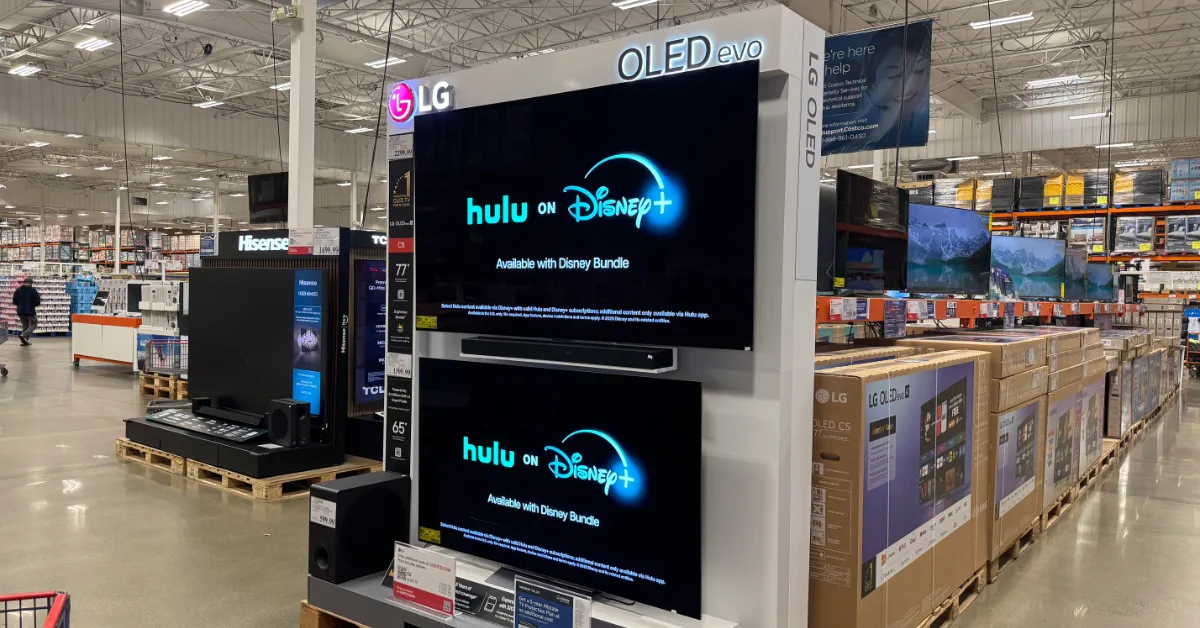
Smart television sets are the primary way most Americans are watching streaming video content at home, according to new consumer data released by Parks Associates on Tuesday.
The data originates from the company’s proprietary Tech Ecosystem Consumer Insights Dashboard, which is being previewed by Parks Associates during the Consumer Electronics Show (CES) in Las Vegas this week.
According to Parks Associates, 61 percent of streaming video consumption occurs on a smart TV, with Samsung having a commanding 34 percent share of smart TVs found in American homes. Roku is in second place with its own 28 percent share, but competition is heating up from other companies, including LG and Vizio, Parks Associates noted.


“Smart TVs are the default way consumers access video, and so the OS (operating system) has become the central point of competition,” said Jennifer Kent, a Senior Vice President and Principal Analyst at Parks Associates. “Samsung’s leadership reflects the strategic value of platform scale, particularly as advertising, subscriptions and service integration move directly into the TV interface.”
In other words, Americans have grown accustom to streaming content from popular video services using the apps available on their smart TVs, rather than purchasing a standalone device like a Roku, Amazon Fire TV stick or Apple TV — and the manufacturers that are able to ship the most-popular smart TVs on the market are the ones who stand to capitalize long-term from advertisements sold against their home screen and subscriptions sold within their ecosystem.
That doesn’t mean streaming media players are on their way out, or that Americans aren’t using them: 30 percent of video consumption took place on a streaming device like a stick or puck sold by Roku or Amazon, while gaming consoles accounted for 7 percent — an indication that some streamers are satisfied with switching inputs to watch Internet-delivered content on older, non-smart TVs.