

Key Points

- Congressman Randy Fine threatened FCC action against the NFL, NBC and Bad Bunny over Super Bowl LX’s halftime show, citing explicit lyrics that were not actually aired.
- NBC and Telemundo broadcast a censored performance with no profane lyrics, while the FCC lacks authority to fine the NFL or performers and has limited power over networks.
- Past court rulings, including Supreme Court decisions, have curtailed FCC fines for fleeting indecency, undermining Fine’s calls for penalties.
A federal lawmaker has made a frivolous threat with baseless accusations against the National Football League (NFL), NBC and musician Bad Bunny over the halftime show produced during Super Bowl LX on Sunday.
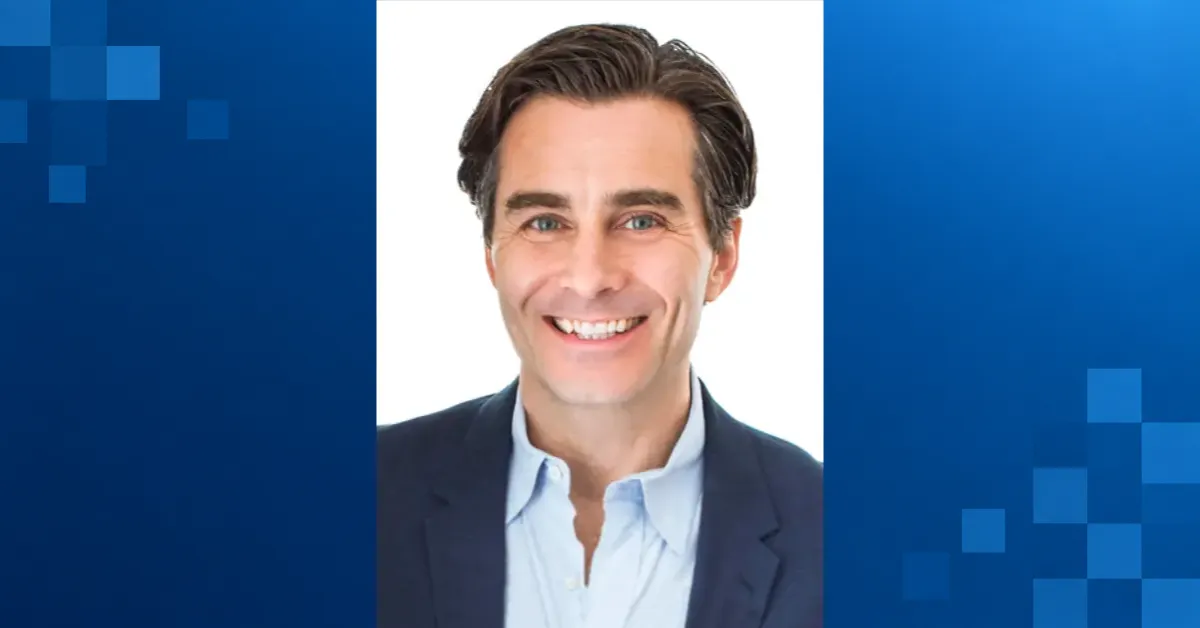
In a social media post on Monday, Representative Randy Fine of Florida accused Bad Bunny — legal name Benito Martinez Ocasio — of performing a “disgusting” and “illegal” show during the Super Bowl, based largely on Fine’s discovery of English-translated lyrics of some Bad Bunny songs.
Specifically, Fine took issue with certain sexually-charged and explicit lyrics in “Safaera,” a party track that includes themes of promiscuity and substance abuse.

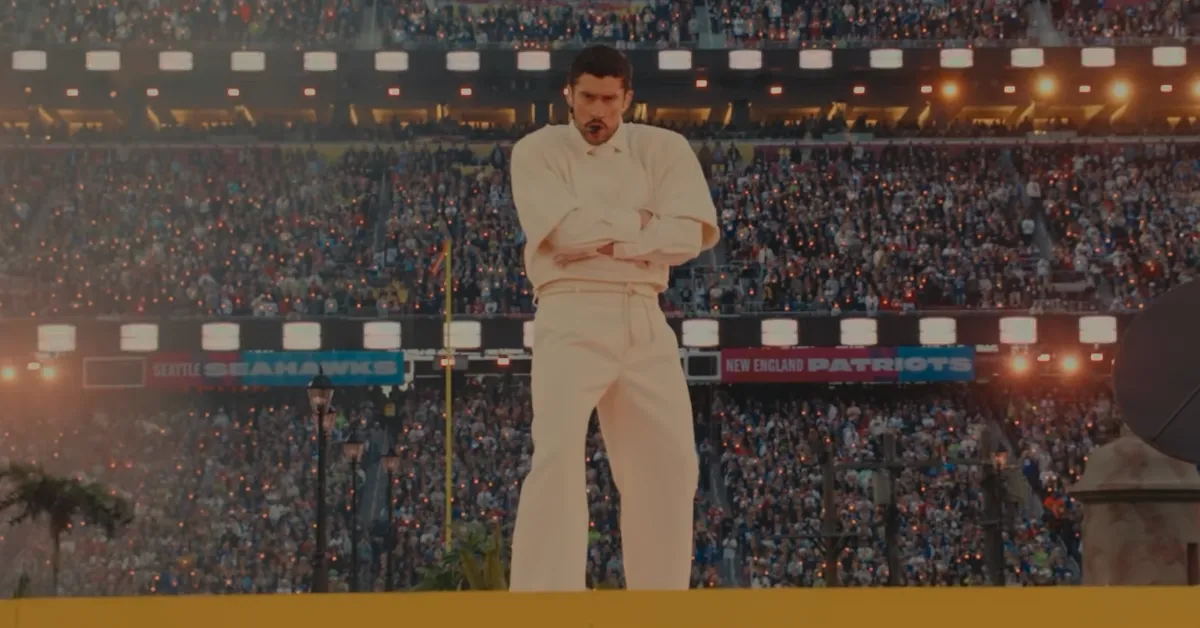
The cherry-picked lyrics that Fine appeared to screenshot from the website Genius weren’t actually sung by Bad Bunny during the Super Bowl, with the Puerto Rican artist self-censoring explicit words and phrases that appeared in that and other songs during the 15-minute performance.
Neither NBC or Telemundo, which had the rights to Super Bowl LX, aired any profane or explicit lyrics during the performance through the use of backing tracks and dubbing, either, raising questions about why Fine took issue with the broadcast.
Nonetheless, in his social post on Tuesday, Fine wrote that he would be sending letters to the Federal Communications Commission seeking “dramatic action” against the NFL, NBC and Bad Bunny, including “fines and broadcast license reviews.”
The FCC lacks the authority to regulate content produced by the NFL, and can’t issue fines or other enforcement action against the sports league or any performer associated with a football game. The agency also doesn’t have authority to police content aired by NBC as a broadcast network, but can take enforcement against NBC-owned television stations that hold federally-issued broadcast licenses. NBC Universal owns around 12 NBC stations in major markets like New York City, Los Angeles, Chicago, Philadelphia, Dallas-Fort Worth, the San Francisco Bay Area and San Diego, and another three dozen Telemundo stations across the country.
It isn’t clear when Fine intends to send his letter to the FCC. A review of the agency’s docket on Monday showed no letter from Fine’s office about the matter.
The NFL oversees the production of Super Bowl halftime shows, but doesn’t actually produce the shows itself. Instead, the league has partnered with Roc Nation to produce its halftime shows during the game, which typically draws the largest TV audience in the United States.
In its early history, Super Bowl halftime shows were modest events, but a successful counter-program by Fox in 1992 convinced the league to evolve the show into a pop culture event.
The shows became more elaborate with greater star-power until 2004, when a “wardrobe malfunction” saw singer Janet Jackson’s nipple exposed to a national audience on CBS. The FCC issued fines against nearly two dozen CBS-owned TV stations that totaled more than $500,000; the fines were paid by CBS parent company Viacom, but ultimately reversed after a successful legal challenge in 2012.
In an earlier decision rooted in a legal case brought by Fox, the Supreme Court found that “fleeting” instances of profanity and indecent imagery did not warrant fines against the broadcast networks, who could not foresee such events occurring. The FCC’s enforcement policy with respect to fleeting expletives aired on broadcast TV was found to be “unconstitutionally vague” by a lower court, a ruling that was upheld by the Supreme Court in a majority decision.
Under the current FCC Chairman Brendan Carr, the agency has taken a tougher position on content aired on three of the five major broadcast networks, vowing to enforce so-called “equal time” rules against daytime and late night talk shows that draw the ire of President Donald Trump and targeting regulated broadcasters for their progressive diversity programs.