


Key Points

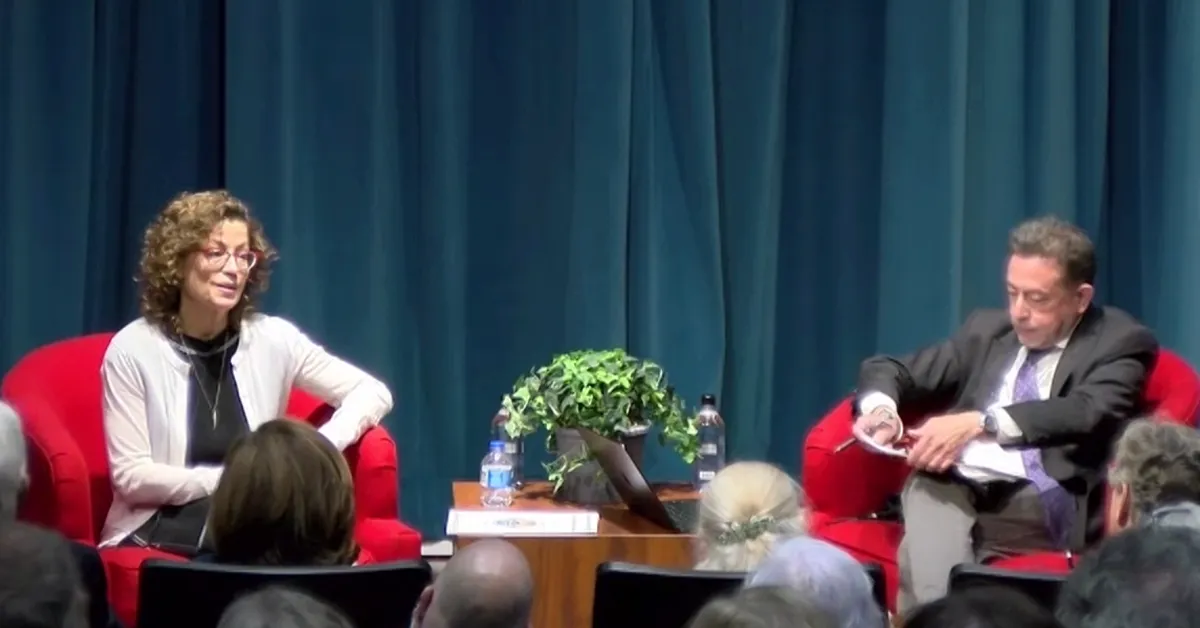
- FCC Commissioner Anna Gomez criticized approval of Nexstar’s TEGNA acquisition, citing lack of transparency and potential legal conflicts.
- Gomez warned the deal could exceed ownership limits and accelerate newsroom layoffs and consolidation.
- Gomez said the decision was rushed and should have undergone a full Commission vote and public review.
The lone Democratic commissioner at the Federal Communications Commission (FCC) has criticized the agency’s decision to approve Nexstar Media Group’s $6.2 billion acquisition of peer broadcaster TEGNA before the matter could be discussed through a more-transparent process.
In a statement released Thursday, FCC Commissioner Anna Gomez said the approval ran counter to current federal law, which prevents one broadcaster from owning a collection of TV stations that reach more than 39 percent of the American viewing audience, and that the transaction would lead to fewer journalists being employed in TV newsrooms.
“The FCC has once again chosen bureaucratic cover over public accountability,” Gomez said. “This merger was approved behind closed doors with no open process, no full Commission vote, and no transparency for the consumers and communities who will bear the consequences.”
Gomez had previously called for the Commission to hold a public proceeding on the matter — either by bringing up the transaction during one of its monthly open meetings, or by setting aside time to consider the deal in a separate meeting. She also urged the FCC to hold a full panel vote on the acquisition — something that is currently impossible, because the FCC has two vacant seats that President Donald Trump has declined to fill.
The Trump administration has majority sway at the FCC, with Trump’s hand-picked Chairman Brendan Carr leading the agency. He also filled what was one of three vacancies by nominating Olivia Trusty to serve as a commissioner; lawmakers confirmed her appointment last year.
With a 2-1 majority at the FCC, and the unlikelihood that Trump will nominate anyone to fill the two vacant seats, the influence of the president has been widely felt to the point that Gomez has wondered aloud at times as to why she still has a job there.
On this matter, Gomez made her feelings extremely clear: The transaction was too big for the FCC’s Media Bureau to decide it on their own, and the scale of the deal deserved further regulatory scrutiny.
Carr felt differently. Last month, during one of the agency’s open meetings, he voiced his support for Nexstar’s acquisition of TEGNA’s stations, which puts more than 60 new TV stations under Nexstar’s direct ownership.
On Thursday, the FCC said it approved Nexstar’s request to waive its ownership rules so the deal could move forward, after the Media Bureau was convinced that the transaction would further establish a balance of power between independent broadcasters and the owners of the “Big Four” television networks. The approval came hours after several state attorneys general and DIRECTV filed two separate but related lawsuits meant to block the deal from closing.
Prior to the deal closing on Thursday, Nexstar had already moved forward with layoffs involving dozens of journalists at three of its biggest newsrooms — one each in New York City, Los Angeles and Chicago — with additional layoffs affecting the marketing departments at many of its TV stations.
Gomez warned that allowing Nexstar to acquire TEGNA would lead to further newsroom consolidation a way that opens the door for more job losses within the industry.
“”Local journalism is under extraordinary strain. Across the country, newsrooms are being consolidated, reporters laid off, and editorial decisions made far from the communities broadcast stations are licensed to serve,” Gomez wrote. “The Nexstar-TEGNA merger will accelerate exactly that trend, concentrating broadcast power in fewer corporate hands, shrinking independent editorial voices, and prioritizing national business interests over local needs.”
Gomez said the approval of Nexstar’s acquisition of TEGNA happened at an alarming pace, warranting further public scrutiny.
“Given the increasingly alarming pace of reckless media consolidation, the American public deserves to know how and why this decision was made,” she said.
More Stories
- Nexstar says it closes TEGNA acquisition, despite lawsuits
- FCC says it granted ownership rule waivers to approve Nexstar-TEGNA deal
- California, other states sue to block Nexstar-TEGNA merger
- Opponents of Nexstar-TEGNA merger accuse CEO of “doublespeak”
- Report: Nexstar wants $2.75 billion bank loan for TEGNA acquisition
- Nexstar CEO: TEGNA deal expected to close in late 2026, station sales possible
- States may sue to block Nexstar-TEGNA deal
- Sinclair urges FCC to approve Nexstar acquisition of TEGNA
- FCC’s Gomez says Nexstar-TEGNA deal should get full panel vote
- CWA to make five proposals to Nexstar shareholders
- TEGNA pays $6,000 to settle FCC probe over public inspection files
- Optimum says FCC should review rule banning substitute broadcast signals during blackouts
- TEGNA ad revenue climbs 4 percent during Q4; distribution income dips
- Nexstar posts $83 million profit in 2025, despite lower overall revenue
- Nexstar lays off workers at KTLA, WPIX amid push for TEGNA merger
- Lawmakers: Nexstar-TEGNA deal will raise cable fees by $135 million
- Newsmax CEO Chris Ruddy threatens lawsuit over FCC TV ownership cap
