


Key Points

- Several state attorneys general are preparing to challenge Nexstar’s $6 billion acquisition of TEGNA if the FCC approves the deal.
- Officials in states including California, Colorado and New York warn the merger could give Nexstar excessive control over local broadcast markets.
- The transaction still requires DOJ review, and approval may hinge on FCC ownership rule changes, waivers or station divestitures.
A group of states is preparing a legal challenge to Nexstar Media Group’s proposed $6 billion acquisition of TEGNA if the deal receives approval from the Federal Communications Commission (FCC), according to a report published on Friday.
The report, from the Wall Street Journal, said some state attorneys general feel allowing Nexstar to acquire TEGNA would give one company too much power over the local broadcast television landscape in their communities.
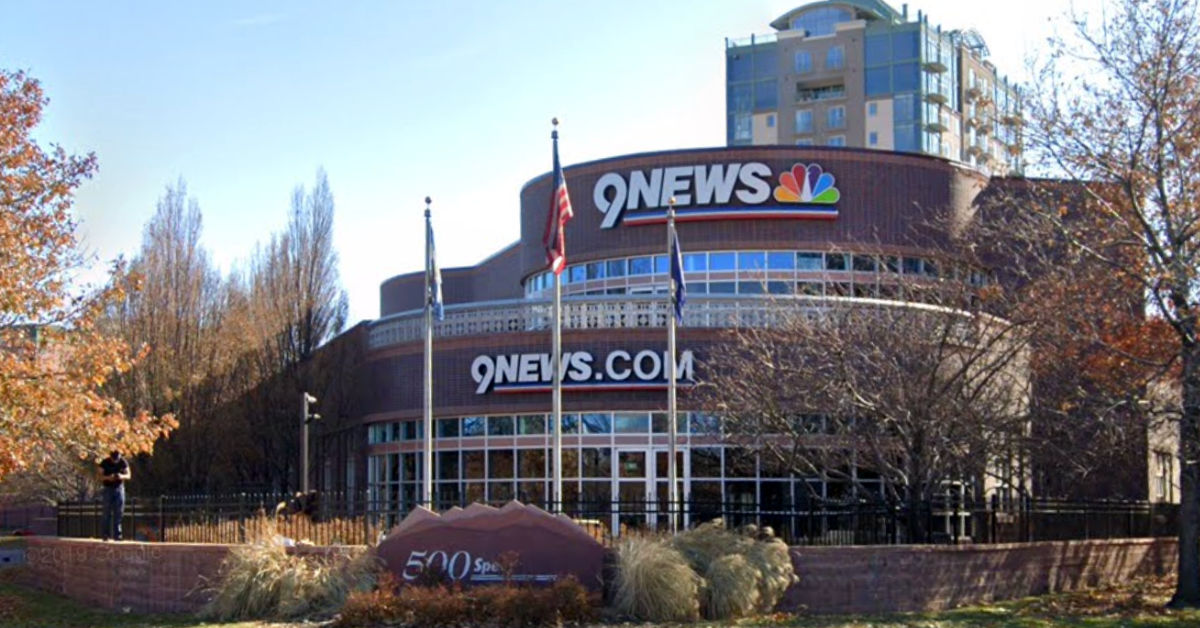
The states weighing the action include California, Colorado and New York, which have a number of Nexstar and TEGNA-owned stations in their cities. In California, Nexstar and TEGNA own stations in Los Angeles, San Francisco, Bakersfield, San Diego, Sacramento and Fresno; in Colorado, TEGNA owns KUSA (Channel 9) while Nexstar owns KDVR (Channel 31) and KWGN (Channel 2), all located in the same market. Both own a handful of stations in New York as well.

Nexstar is the largest independent operator of network-affiliated TV stations in the country, reaching more than 80 percent of the population through its direct ownership of licensed stations and its shared services agreements with other companies. Under current federal rules, Nexstar and other broadcasters are allowed to own stations that reach 39 percent of the American viewing audience, but no more than that.
TEGNA is one of the top five owners of local TV stations in the country, though its direct ownership currently complies with the FCC’s rules.
The merger has the support of President Donald Trump and FCC Chairman Brendan Carr. Approval is still needed from the U.S. Department of Justice, which continues to evaluate the plan.
On a conference call with investors last month, Nexstar CEO Perry Sook said he is optimistic that the companies will obtain all necessary approvals from federal regulators soon, allowing the deal to close by the end of the year. He said one or both companies may have to sell an unknown number of TV stations in order to satisfy some regulators.
“It is up to the DOJ and to the FCC to render their opinion and ultimately to come to a decision,” Sook affirmed. “We feel very good about the work that has been done, the information that has been provided, the endorsements we have had, and the stage at which we are in the process. We are very confident that we will get to a finish line in the time frame that we outlined.”

The easiest way for the deal to cross the finish line is for the FCC to lift its current ownership cap — something that the agency is weighing. Some critics argue that Congress requires the FCC to impose an ownership cap, but no law requires the agency to set it at a certain amount.
The other way the FCC could approve the deal is to grant waivers to its ownership rules in each market where TEGNA and Nexstar own at least one other station, or in areas where acquiring a TEGNA-owned station would exceed the FCC’s current ownership rules. The agency typically grants these waivers on a limited, case-by-case basis; approving waivers on the scale of the Nexstar-TEGNA deal would be unprecedented.
More Stories
- Exclusive: Nexstar asks local TV station executives to support media deregulation
- Exclusive: Nexstar orders stations to run news stories about FCC deregulation efforts
- FCC’s Gomez says Nexstar-TEGNA deal should get full panel vote
- Newsmax CEO Chris Ruddy threatens lawsuit over FCC TV ownership cap
- Trump backs Nexstar-TEGNA deal, despite DEI philosophy
- Sinclair urges FCC to approve Nexstar acquisition of TEGNA
- Nexstar posts $83 million profit in 2025, despite lower overall revenue
- Nexstar CEO: TEGNA deal expected to close in late 2026, station sales possible
- Gray Media CEO: Optimistic FCC will approve local TV swaps, acquisitions
- TEGNA ad revenue climbs 4 percent during Q4; distribution income dips