


Key Points

- The National Association of Broadcasters has criticized the Federal Communications Commission for ordering ABC to renew its broadcast TV station licenses early.
- In a statement, NAB CEO Curtis LeGeyt warned the move could set a precedent that creates uncertainty and instability across the broadcast industry.
- LeGeyt said bypassing traditional enforcement processes undermines predictability and fairness in regulation.
The National Association of Broadcasters (NAB) has issued a rare rebuke of the Trump administration’s Federal Communications Commission (FCC), saying the agency’s decision to call in the broadcast licenses of ABC-owned television stations has the potential to establish a precedent that could create instability in the industry.
In a statement released via e-mail on Wednesday, NAB CEO Curtis LeGeyt said the FCC’s broadcast license application process should be rooted in “predictability, fairness and transparency” as Congress intended when lawmakers gave the agency authority to regulate broadcast radio and television stations.
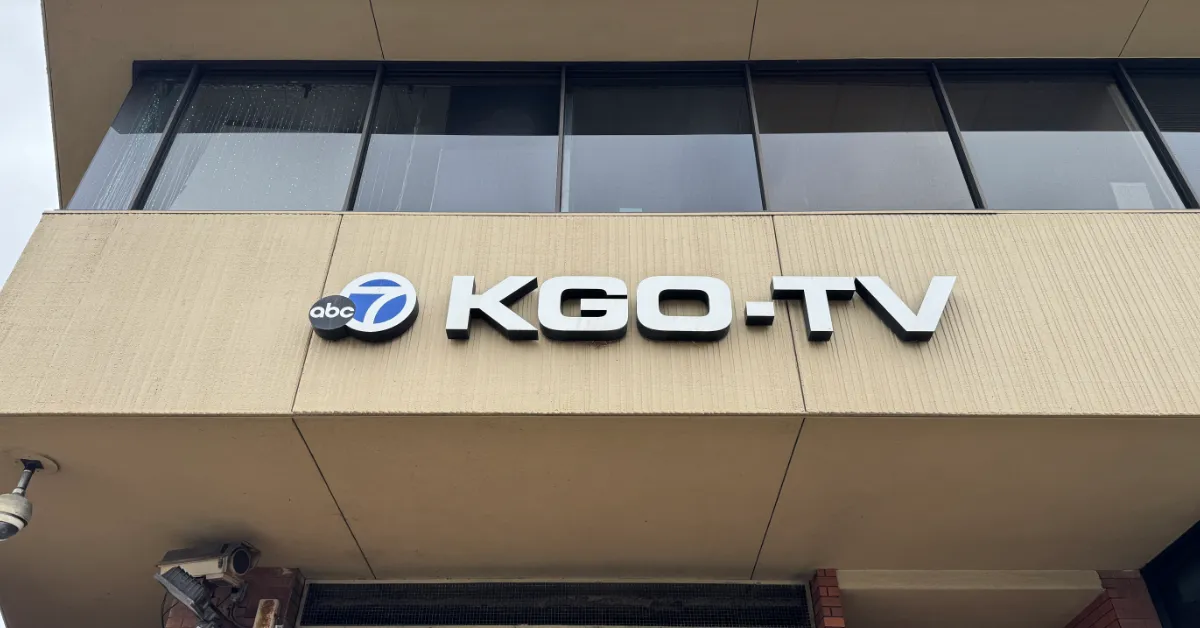
The statement comes one day after the FCC’s Media Bureau sent a letter to the Walt Disney Company ordering it to file early applications to renew the broadcast licenses of eight ABC-owned stations. The matter affects outlets in major markets like New York City, Los Angeles, Chicago, San Francisco, Philadelphia and Houston, in addition to Disney-owned stations in Raleigh-Durham and Fresno.
In a letter sent to Disney, FCC Media Bureau Chief David Brown said the order followed a prolonged investigation into the entertainment company’s use of diversity, equity and inclusiveness (DEI) programs, which drew the ire of FCC Chairman Brendan Carr last year.
“The FCC has determined that additional actions are appropriate at this time,” Brown wrote, citing the 1930s-era Communications Act as legal standing to order Disney to renew its broadcast licenses early.
On Wednesday, LeGeyt said it was “unprecedented” for the FCC to call for an early renewal of broadcast licenses rather than use the traditional enforcement process. Under federal law, the FCC has the ability to levy fines against broadcast TV and radio stations that violate its rules.
By not using the traditional enforcement mechanisms, the FCC “creates significant uncertainty for all broadcasters,” LeGeyt warned.
“Broadcast stations already face intense challenges as they work to deliver trusted journalism, lifesaving emergency services, community programming and election coverage,” LeGeyt said. “The FCC must be careful to avoid actions that create further instability for the local stations viewers and listeners depend on.”
The statement was a rare rebuke of an FCC action at a time when the NAB has worked hard to curry favor with the agency under the Trump administration. At present, the FCC is weighing a number of possible changes to its rules and practices, some of which came at the urging of the NAB, including a possible mandate to transition the country’s broadcast TV stations from the current digital transmission standard to a new one called NextGen TV.
The FCC is also considering ways to make it easier for local broadcast radio and TV station owners to consolidate their operations through mergers and acquisitions, something that NAB members have called for in recent years. Proponents of media consolidation says the practice helps broadcasters compete against deep-pocketed tech companies and their streaming services, which are largely unregulated.

