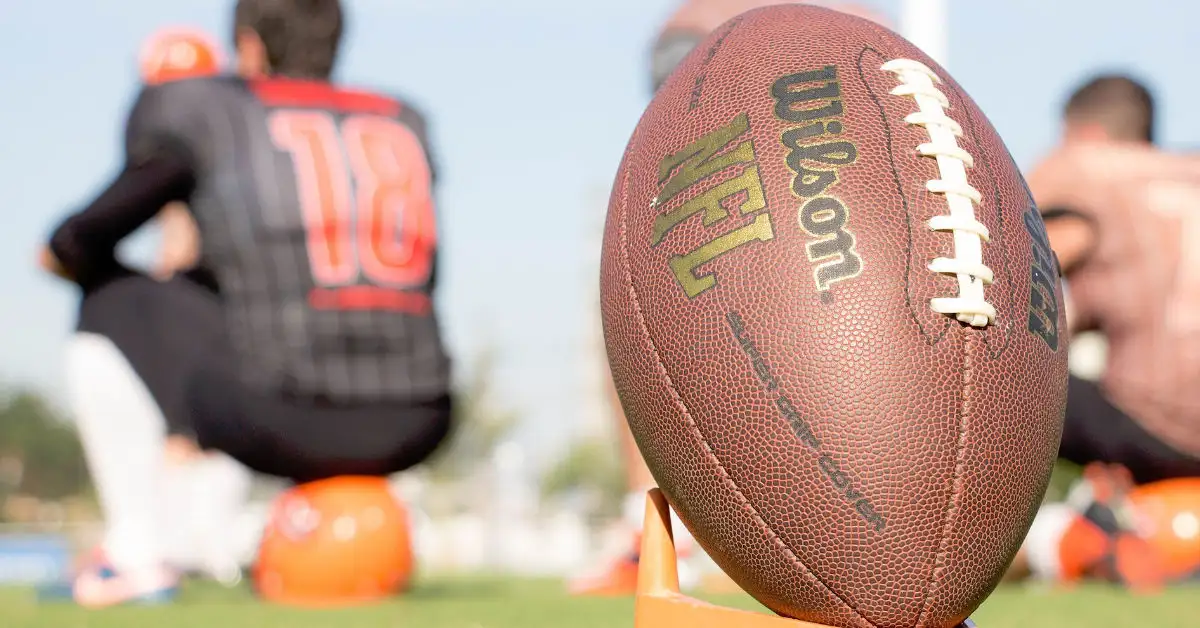
Comcast has dropped the NFL Network and its sister channel NFL RedZone from its Xfinity TV and Xfinity Stream platforms after a contract to carry the channels expired without a new agreement in place.
The two channels were pulled from Comcast’s pay television platforms on April 30 after negotiations toward a new carriage contract broke down without a new or temporary agreement in place.
The dispute is the first involving NFL Network and NFL RedZone since their parent operator, NFL Media, was acquired by the Walt Disney Company’s ESPN earlier this year. ESPN has the right to sell both channels to pay TV providers, while the National Football League (NFL) maintains programming control over NFL RedZone.
Other channels owned by ESPN and Disney continue to be available to Xfinity TV and Xfinity Stream subscribers, including the ESPN cable multiplex, the Disney Channel, National Geographic, FX, Freeform, local ABC-owned stations and several channels operated through college sports partnerships.
In a statement, a spokesperson for Disney said the company understood “how disappointing and disruptive this is for football fans who have lost access to NFL Network and RedZone Channel,” and promised the company made numerous “good-faith” proposals to keep the channels on while negotiations continued.
“Unfortunately, Comcast declined and took them down,” the spokesperson said. “Despite this, we remain fully committed to reaching a fair agreement and restoring access to our best-in-class NFL programming as quickly as possible.”
Carriage disputes involving programmers like Disney and pay TV platforms like Comcast are typically triggered over fees charged to cable and satellite companies for the privilege of offering broadcast and cable channels to their customers. Those carriage fees are passed on to subscribers in their bills; over the past decade, programmers have sought higher fees for their channels, triggering disputes among pay TV companies that seek to keep costs low for their customers.
The situation involving the two NFL channels is no different, according to a Comcast spokesperson, who accused Disney of demanding higher fees for NFL Network and NFL RedZone.
“Disney and ESPN acquired NFL Network and Red Zone just months ago and are already demanding double the fees for the same content,” the Comcast spokesperson said. “Their distribution demands would also make millions more pay for a channel they don’t watch. We remain open to continuing to talk and reach a fair deal for our customers.”
The dispute centered around NFL Network and NFL RedZone comes at a relatively quiet time for both channels. NFL RedZone doesn’t broadcast in the summer, and NFL Network typically carries news reports on summer training, business-related transactions involving teams and a rotating slate of football-themed documentaries and movies.
For this reason, Comcast likely feels it has plenty of runway to hold off on a new agreement until closer to August, when NFL Network begins offering some pre-season exhibition football games and when football-related news starts to ramp up. NFL Network intends to carry a handful of overseas NFL games this upcoming season, but those games are also expected to be offered through ESPN Unlimited, the $30 per month streaming plan that doesn’t require a cable or satellite package. (Comcast gives access to ESPN Unlimited to its Xfinity TV subscribers who have at least one ESPN channel in their package.)
Football fans who want access to NFL Network during the offseason have plenty of choices to stream the channel and its programming on their smart TVs, phones and tablets: Sling TV offers NFL Network in its “Sling Select” package, which costs $20 per month and also includes FX, Fox News and National Geographic. The NFL itself also offers access to NFL Network through its NFL Plus streaming service, and other cable-like services like DIRECTV and Fubo include NFL Network in their sports-focused packages.
The dispute with ESPN over the NFL Network is at least the second playing out that involves Comcast: Last month, the pay TV company pulled local stations and national networks owned by the E. W. Scripps Company after the broadcaster reportedly asked for higher distribution fees.