

Key Points

- Consumers embrace AI-powered entertainment and smart home platforms that simplify tasks like finding content and controlling connected devices, according to Hub Entertainment Research.
- Smartphones and TVs are positioned as control centers for AI enhancements, with Google leading integration through Gemini and other developers like Samsung and LG following suit.
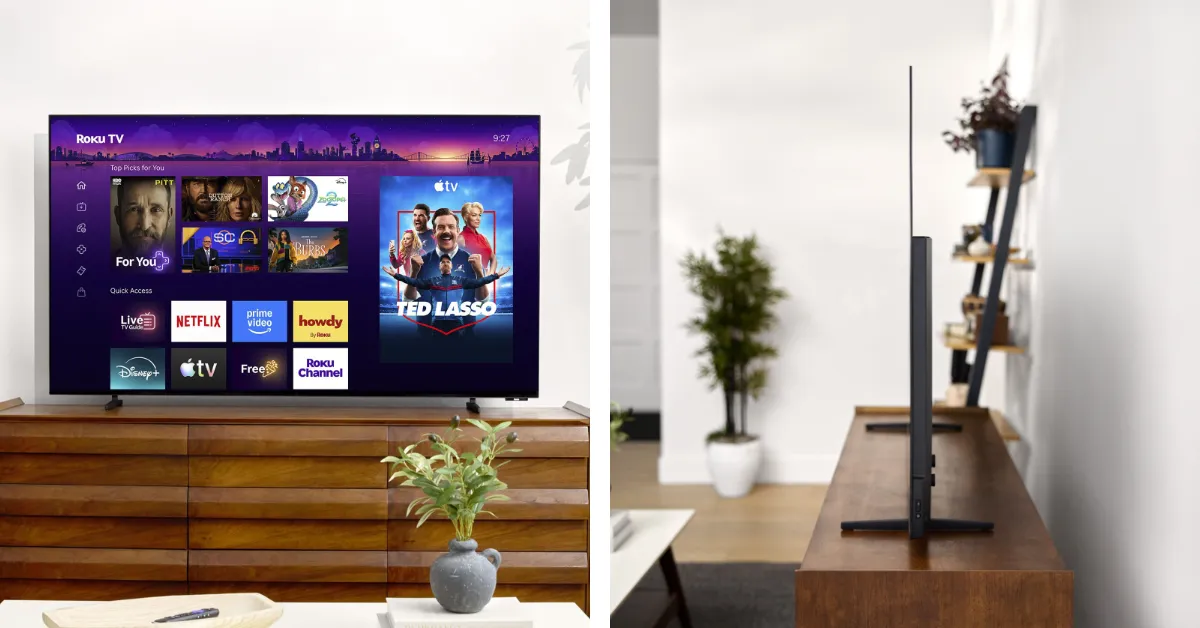
- Smart TV platforms increasingly serve as centralized hubs for streaming services and connected home experiences, with potential to expand into health, wellness and security.
Consumers are warming up to entertainment and smart home platforms that are incorporating more artificial intelligence products, according to a new research study released on Monday.
The report, from Hub Entertainment Research, is based on a survey of more than 2,600 American consumers between the ages of 16 and 74 years old, and finds that more shoppers are willing to embrace AI-powered platforms if it makes everyday tasks easy like finding something to watch on television or controlling smart devices and appliances.
The findings point to a significant opportunity for connected home technology to expand beyond entertainment into areas like health, wellness and home security. Younger consumers, especially those under 35, are more likely to identify gaps in these categories and express interest in solutions that integrate seamlessly into daily life, Hub noted.
AI-enabled devices are seen as a key driver of that shift: Smartphones and TVs generate the strongest consumer interest when it comes to AI enhancements, outpacing larger home appliances, Hub noted. These devices are viewed as best positioned to link and organize services across the home, effectively serving as control centers for a growing number of connected experiences.
“TVs are the biggest screen and are best positioned to be ‘the brain’ to help coordinate things across the home,” said Jason Platt Zolov, a senior consultant for Hub and the study’s author. “Leading TV operating systems have an opportunity to develop enhanced AI-partnerships across devices that will only make consumers happier.”
A number of smart TV developers are already working to integrate more AI-powered products into their experiences. Google has taken the lead on this, incorporating Gemini across its product library, where it works alongside the Google Assistant to supercharge search, discovery and knowledge-based queries.
In an interview with The Desk last year, Google’s Vice President & General Manager of Android TV Shalini Govil-Pai said Google Gemini on smart TVs handle complex queries like mood-based content recommendations, while the Google Assistant handles remedial tasks like turning on lights or launching apps.
“What we’re finding is that people are gravitating toward a new pillar of queries, and that’s knowledge-based,” Govil-Pai said. “We saw a recent query, can dogs eat broccoli? In the past, you’d never think to ask your TV about that — but, now, you can do it right in your living room, and have natural responses delivered.”
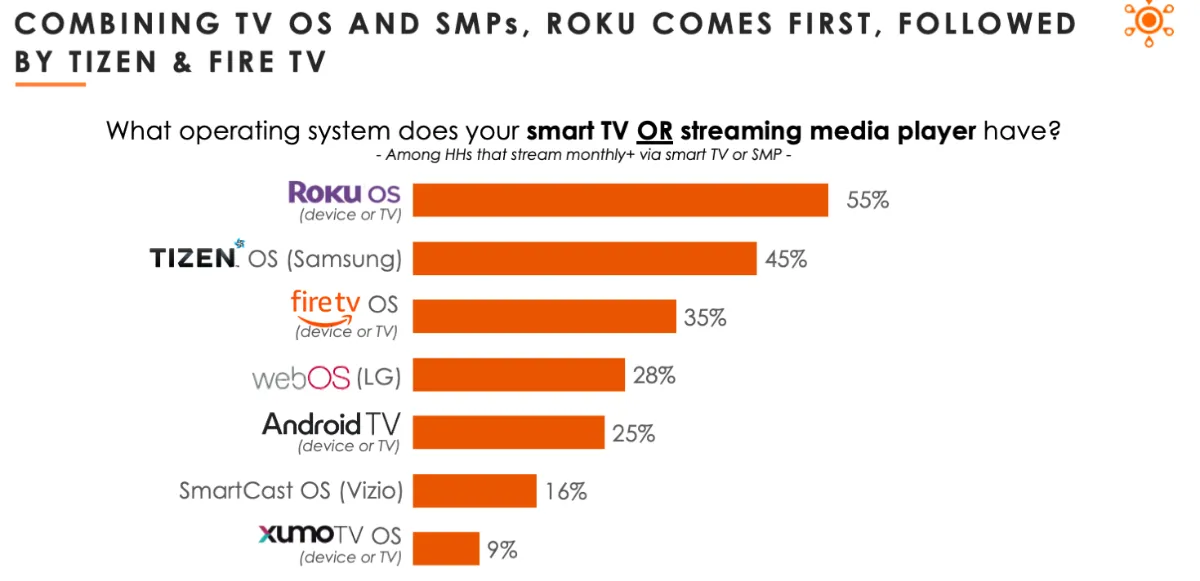
Google aside, other smart TV developers are also leaning into AI as a way to supercharge their user experiences. Samsung recently announced a partnership with Nielsen’s Gracenote to incorporate that company’s content metadata into new tools that will help users of its Tizen-powered smart TVs gain more-personalized content recommendations using AI-powered tools. LG, Roku and Amazon are also exploring ways to incorporate AI into their smart TV platforms.
Content aggregation is another area where smart TV developers are trying to improve the user experience. Platforms like Amazon’s Prime Video Channels and The Roku Channel are increasingly serving as centralized hubs for buying and accessing multiple streaming services from a single ecosystem, while traditional cable and satellite providers continue to be relevant aggregators of content, Hub notes.
Consumers cited convenience as a primary driver, with many favoring unified platforms that consolidate services into a single interface and billing relationship. Hub suggests this trend presents an opportunity for providers to bundle entertainment with adjacent services such as home security and health monitoring.
The new Connected Home report is available to view by clicking or tapping here.