


Advertisers are steadily adopting connected TV as the starting point for their media strategies, but they continue to express reservations about how technology — and, specifically, artificial intelligence — will impact creative and data-driven processes in the very near future, according to a report released by LG Ad Solutions this week.
The report, called “The Art and Science of the CTV-First Era,” surveyed 45 U.S. buyers who each spend more than $1 million annually on connected TV campaigns. It found that most are embracing a “CTV-first,” or connected TV-first, approach that prioritizes measurable reach and data-driven precision while using linear TV mainly as an extension layer to increase total audience exposure.
Campaigns that successfully blend creative storytelling with deterministic targeting perform significantly better than those built on conventional ad formats, according to data from LG Ad Solutions. Internal benchmarks cited in the study show campaigns that combine “art and science” yield 5.9 times higher brand favorability lift, 2.4 times higher purchase intent, 1.4 times higher brand awareness, and 1.2 times higher ad recall than standard CTV benchmarks.

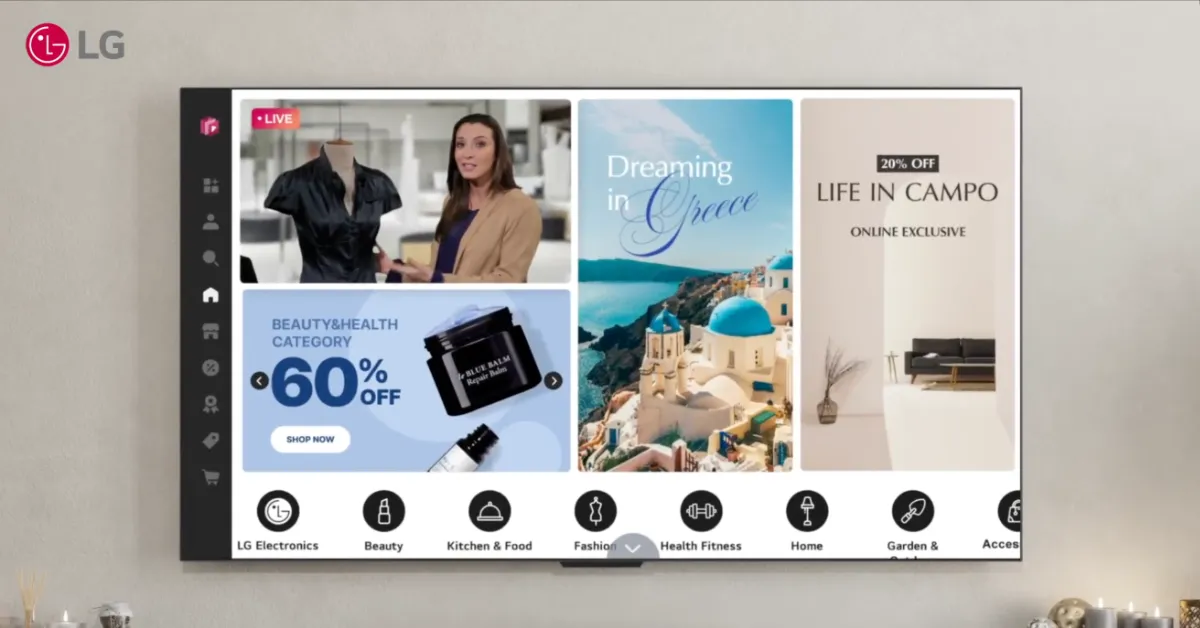
Eighty percent of marketers who used creative ad formats like interactive, dynamic or 3D home screen placements reported strong results across brand and balance metrics, LG Ad Solutions said. The company relied upon case studies from a number of brands, including financial firm Wells Fargo, which reported a 3.4-point increase in aided awareness and a 2.8-point lift in brand favorability when creative CTV ad formats were used during a recent campaign for a credit card.
Advertisers are also relying on richer data sets to balance precision and scale. The report found most buyers use first-party, contextual, and third-party data alongside OEM-level signals like ACR to reduce duplication and improve targeting. Brand lift remains the leading metric for campaign success, followed by website traffic, conversions and attribution.
Still, challenges remain. Sixty-three percent of respondents said the industry tends to prioritize either creative or data, rather than integrating both, and 42 percent agreed that creative development is undervalued due to cost, production complexity and measurement limitations.
While most survey respondents — 56 percent — expressed optimism that artificial intelligence could streamline production, most said human oversight is required before AI-generated ads represent a brand.
Looking forward, buyers plan to expand investment in programmatic CTV, audience data, and partnerships with television manufacturers to unlock more precise targeting and cross-screen measurement.

“CTV has become the foundation for modern video advertising,” the report said, “and success in this era will come from balancing art and science on the biggest screen in the home.”
—
Read more: