
Key Points

- The FCC’s Media Bureau launched an inquiry into the sports media marketplace, examining how streaming exclusives affect consumers and free over-the-air access.
- The agency cited rising fragmentation, noting NFL games aired across 10 services in 2025, with some estimates topping $1,500 annually to access all games.
- Regulators are seeking comment on rights agreements, local impacts and whether current deals hinder stations’ public interest obligations.
The Federal Communications Commission’s (FCC) Media Bureau has opened a wide-ranging inquiry into the evolving sports media marketplace, seeking public comment on how the migration of live games to streaming platforms is affecting consumers, broadcasters and access to free over-the-air television.
In a notice released Wednesday, the agency said it is examining whether recent developments in sports distribution have made it harder for viewers to find and afford live games, and whether the shift is undermining the ability of local broadcast stations to meet their public interest obligations.
“For decades, Americans have enjoyed turning on their television sets and quickly finding the games they wanted to watch for free on an over-the-air broadcast,” the Media Bureau wrote in its notice, acknowledging that a growing number of games are now placed behind streaming paywalls.
While expanded distribution can increase the number of available games, the FCC said many consumers now must subscribe to multiple services that can be difficult to navigate.
The inquiry places current market conditions in historical context, tracing the relationship between live sports and broadcast television back to 1939, when NBC aired a college baseball game between Princeton and Columbia from New York. Over subsequent decades, sports rights fees escalated dramatically, evolving into a primary revenue stream for leagues and teams.
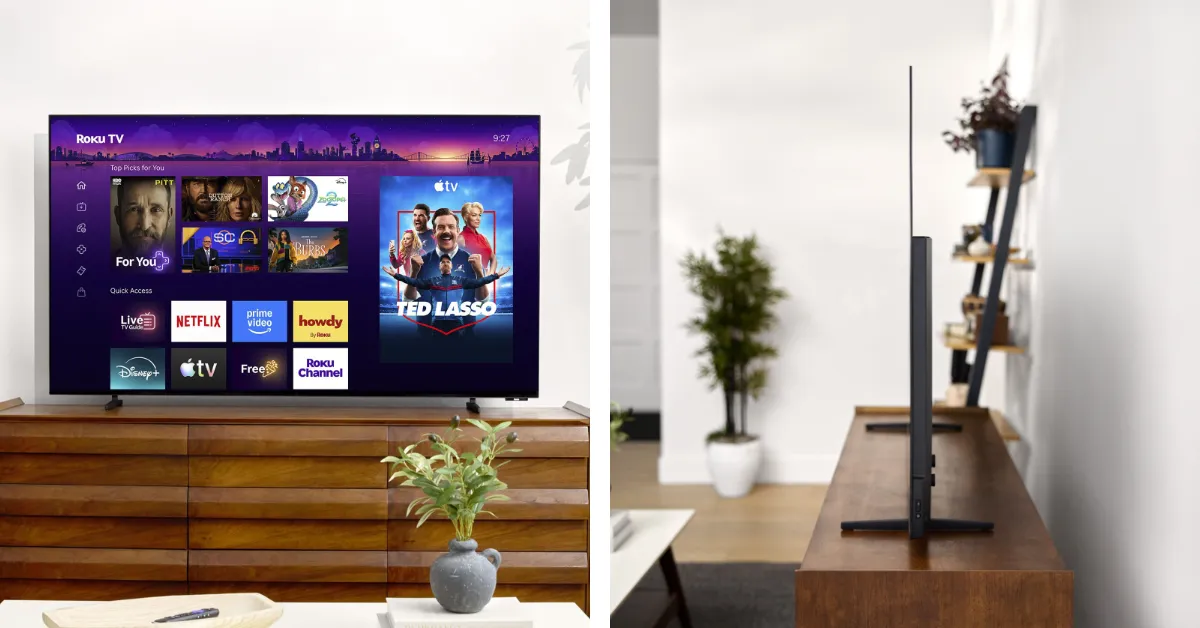
Currently, rights to premium sporting events — like lucrative National Football League (NFL) and Major League Baseball (MLB) games — are largely split among traditional broadcasters like ABC, CBS, Fox and NBC. But streaming services backed by major tech companies like Amazon (Prime Video) and Google (YouTube) have started grabbing more live sports rights for their own products, which effectively force consumers to purchase multiple plans and products in order to follow their favorite teams and sports.
Last year, ESPN walked away from key parts of its contract with MLB, which gave the baseball league an opportunity to negotiate new deals with Comcast and Netflix. Moving forward, some nationally-televised games that were previously offered on ESPN will now air on NBC, and a handful of games will be exclusive to Comcast’s streaming service Peacock.
Executives at the NFL have expressed an interest in renegotiating some parts of its long-term agreement with broadcasters with the goal of bringing more streaming services on board. Some reports indicated the NFL was aggrieved by recent deals involving the MLB and the National Basketball Association (NBA), which were valued higher than the NFL’s current rights package based on some streaming distribution pacts.
The FCC noted that in 2025, NFL games aired across 10 different services, with some estimates placing the cost of accessing all games at more than $1,500 per year. Twenty regular season games and one playoff game were distributed exclusively on four streaming services: Amazon Prime Video, YouTube, Peacock and Netflix.
The FCC can't directly interfere with private contracts between sports leagues and streamers.But the probe could influence policy decisions on other matters, like whether to raise/eliminate the TV ownership cap or impose tougher rules on streaming cable-like services owned by YouTube and others.
— Matthew Keys (@matthewkeys.net) February 25, 2026 at 11:42 AM
[image or embed]
The agency is seeking comment on whether this fragmentation harms consumers and whether it limits broadcasters’ ability to secure sports rights. It also is asking how current rights agreements affect local stations’ capacity to deliver news, emergency alerts and other public interest programming.
Among the questions posed: What types of rights are being granted in current contracts, including exclusive, simulcast and replay rights? How prevalent are local deals between broadcasters and teams? Do streaming arrangements implicate the Sports Broadcasting Act of 1961? And to what extent do current contracts impede stations from fulfilling statutory obligations under the Communications Act?
The proceeding will be treated as “permit-but-disclose,” meaning ex parte communications are allowed but must be publicly filed.
Comments in MB Docket No. 26-45 are due March 27, with reply comments due April 13.